wild bergamot
Monarda fistulosa
Wild bergamot is a beautiful flower that grows in fields and meadows. It has lovely purple blooms and a sweet, minty smell that attracts butterflies and bees.
Hábitat: Grasslands
The wild bergamot has unique spherical clusters of tubular, shaggy lavender-pink to purple flowers that stand out in fields. Its stems are distinctly square, and its opposite leaves have a slightly fuzzy texture, making it visually appealing and easy to identify.
Categoría
PlantasRareza
Common
Peligro
1/5 · Muy bajo
Snaps
¡Sé la primera persona en hacer un snap!
Even though it looks wild, hummingbirds absolutely love sipping nectar from its flowers!
Its 'bergamot' scent isn't from the citrus fruit, but a similar aroma from its leaves!
Native Americans used this plant for teas and remedies, even for bee stings!
This plant is a cousin to mint, which is why its crushed leaves smell so fresh!
Wild bergamot can produce abundant nectar that helps it attract many different pollinators like bees, butterflies, and hummingbirds for reproduction.
Wild bergamot has special oils that give it a minty scent, helping it defend against some hungry animals and insects.
Wild bergamot can spread through underground stems called rhizomes, helping it form colonies and find new growing space.
Apis mellifera
Collects nectar and pollen from flowers.
Bombus impatiens
Buzz pollinates flowers for pollen and nectar.
Papilio glaucus
Sips nectar from the tubular flowers.

Archilochus colubris
Feeds on nectar, aiding pollination.
Sphinx eremita
Caterpillars feed on its leaves.
Las plantas aromáticas producen y emiten compuestos orgánicos volátiles fragantes, a menudo como defensa o para atraer a los polinizadores.
Las plantas con flores son cualquier planta que produce flores como parte de su ciclo reproductivo.
Las flores en racimo son inflorescencias donde las flores individuales están dispuestas muy juntas en un tallo común.
Las plantas de floración de verano producen sus flores durante la temporada estival, a menudo aportando un color vibrante cuando muchas otras plantas ya han terminado de florecer.

Las flores fragantes emiten un aroma agradable, a menudo para atraer polinizadores o como defensa.

Las plantas medicinales poseen compuestos químicos que pueden utilizarse con fines terapéuticos para tratar enfermedades o mantener la salud.

Las plantas comestibles son aquellas partes de una planta que se consideran seguras para el consumo humano.

Las plantas de crecimiento rápido exhiben tasas de crecimiento aceleradas, aumentando rápidamente de tamaño y biomasa en un corto período de tiempo.

Describe plantas que son particularmente atractivas y beneficiosas para una amplia variedad de organismos polinizadores.

Los hábitats de pastizales son biomas terrestres dominados por pastos y plantas herbáceas, que sustentan a una variedad de animales de pastoreo.
Todavía no hay alias listados.
Peligro
1/5 · Muy bajo
Always look but don't touch flowers without asking an adult.
60-150 cm
30-90 cm
2-3 cm
Verano
Sí
Ninguna
Perenne
Insectos
Acércate para separar los grupos y explorar dónde se ha fotografiado este objeto.
Los snaps recientes aparecerán aquí a medida que se añadan nuevas observaciones.

Minnesota, US
Puedes ver Rue Anemone, Eastern Skunk Cabbage y Bloodroot.
Ver guía →

Illinois, US
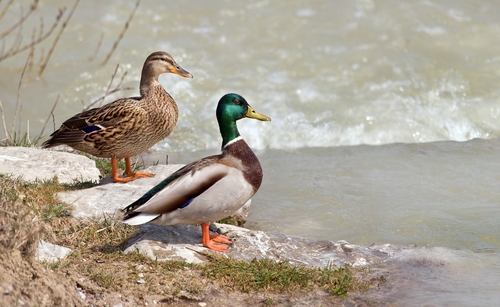
Puedes ver Pato Joyuyo, Tordo Sargento y Pato.
Ver guía →
Illinois, US
Puedes ver Pato, Petirrojo Americano y Black-Crowned Night Heron.
Ver guía →

Ohio, US
Puedes ver Wild Bergamot, Tall Goldenrod y Rattlesnake Master.
Ver guía →
Michigan, US
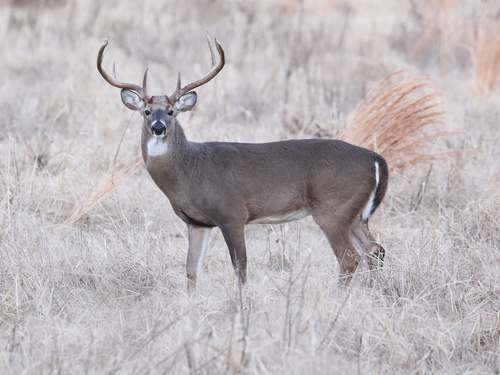
Puedes ver Ciervo De Cola Blanca, Wild Bergamot y Pavo.
Ver guía →

Quebec, CA
Puedes ver Cormorán Orejudo, Paloma Bravía y Wild Bergamot.
Ver guía →




_Close-up_(9228122125).jpg&width=800)







_Lotus_corniculatus_-_Plant_habit.jpg&width=800)