






Javan Pond-Heron
Ardeola speciosa
The Javan Pond-Heron is a beautiful bird that loves to live near water. It has a special way of changing colors depending on the season, making it look different throughout the year!
Hábitat: Wetlands
The Javan Pond-Heron has a remarkable plumage change. In breeding season, it sports a striking white body, a golden-buff head and neck, and a contrasting chestnut-maroon back. Outside breeding, it appears drabber, with a brown-streaked head and neck on a whitish body, blending into its watery surroundings. Its yellow legs remain constant.
Categoría
AvesRareza
Common
Peligro
1/5 · Muy bajo
Snaps
¡Sé la primera persona en hacer un snap!
Baby Javan Pond-Herons are called "chicks" and are born without feathers.
Their sharp, pointed bill is like a perfect set of chopsticks for grabbing food!
These clever birds sometimes forage on floating vegetation like water hyacinths.
They often nest in colonies high in trees, even above busy streets!
Javan Pond-Herons can change their feather colors dramatically for camouflage or to attract a mate, helping them blend in or stand out.
Javan Pond-Herons can stand perfectly still for long periods, which helps them surprise unsuspecting fish and insects in the water.
Javan Pond-Herons have an incredibly flexible neck that allows them to strike quickly and accurately at fast-moving prey.
They mainly eat small aquatic creatures like fish and insects, using their sharp beak to catch them.
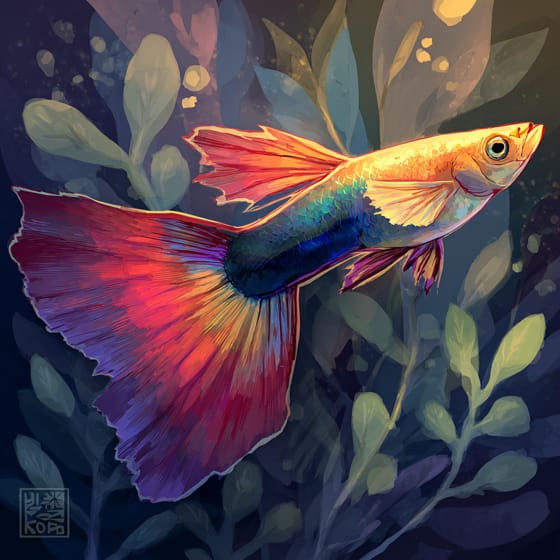
Poecilia reticulata
a common small fish found in its wetland habitats.
Pantala flavescens
catches adult dragonflies and their larvae in flight or water.
Fejervarya limnocharis
preys on these common frogs found in rice paddies.
Haliaeetus leucogaster
larger raptors may occasionally prey on adult or juvenile herons.
Describe a los animales, principalmente aves, que poseen una cubierta de plumas.
Los animales solitarios viven solos durante la mayor parte de su vida y solo interactúan con otros para aparearse o cuidar de sus crías.
Colorido describe a organismos u objetos que exhiben una amplia variedad de colores brillantes y distintivos.
Los organismos piscívoros son animales que subsisten principalmente de una dieta a base de peces.

Un depredador de emboscada caza esperando pacientemente y ocultándose, para luego lanzar un ataque repentino cuando una presa desprevenida se pone a su alcance.

Este rasgo de hábitat identifica especies que se encuentran en humedales, que son áreas de tierra saturadas de agua, ya sea permanente o estacionalmente, e incluyen marismas, pantanos y ciénagas.

Los animales diurnos están activos principalmente durante el día y suelen descansar o dormir por la noche.

El estado de peligro de extinción indica que una especie corre un riesgo muy alto de extinguirse en estado silvestre en un futuro próximo.
Todavía no hay alias listados.
Peligro
1/5 · Muy bajo
Always watch birds from a distance and don't try to touch them.
40-45 cm
75-85 cm
0.25-0.35 kg
5-10 años
35 km/h
They mainly eat small aquatic creatures like fish and insects, using their sharp beak to catch them.
Wetlands
Ambush
Acércate para separar los grupos y explorar dónde se ha fotografiado este objeto.
Los snaps recientes aparecerán aquí a medida que se añadan nuevas observaciones.




.jpg&width=800)





.jpg&width=800)


.jpg&width=800)