






Lady Fern
Athyrium filix-femina
Lady Ferns are beautiful plants with delicate, lacy leaves. They love shady spots in forests and can grow quite tall. Look closely to see their spore-producing structures underneath the leaves!
Hábitat: Forests
The Lady Fern has delicate, feathery fronds that grow in a graceful, arching clump. Its bright green leaves are finely dissected, giving them a soft, lacy appearance, distinct from coarser, thicker-leafed ferns.
Categoría
PlantasRareza
Common
Peligro
1/5 · Muy bajo
Snaps
¡Sé la primera persona en hacer un snap!
Its graceful fronds look so delicate, people named it for a 'lady'!
These ferns love cool, damp places, often growing near streams or waterfalls!
Unlike most plants, Lady Ferns reproduce with tiny spores, not flowers or seeds!
Young Lady Fern shoots, called 'fiddleheads,' are edible when cooked properly!
Lady Ferns have tiny spores on the underside of their fronds that can be carried far by the wind to grow in new places.
Lady Ferns can thrive in deep shade, using specialized leaves to capture diffused light where other plants struggle.
Lady Ferns have shallow, fibrous roots that efficiently absorb water from moist soil, helping them grow lush and green.
Cervus canadensis
Young fiddleheads are browsed.
Odocoileus virginianus
Deer may nibble on its fronds.
Peromyscus maniculatus
Provides ground cover for small rodents.
Las plantas caducifolias pierden periódicamente todas sus hojas, por lo general durante el otoño o las estaciones secas.
Las plantas con frondas poseen hojas grandes y divididas, características de los helechos y ciertas palmeras.
Las plantas tolerantes a la sombra están adaptadas para crecer y prosperar en áreas con bajos niveles de luz, requiriendo menos luz solar directa.
Los organismos que producen esporas se reproducen liberando unidades reproductivas pequeñas, a menudo unicelulares, llamadas esporas.

Los hábitats boscosos son entornos terrestres dominados por una densa cubierta arbórea, que sustentan una gran diversidad de vida animal y vegetal.

Este rasgo indica que los organismos pertenecen a un grupo evolutivo muy antiguo con antepasados que se remontan a millones de años.
Peligro
1/5 · Muy bajo
Enjoy looking at Lady Ferns from a distance and avoid picking or touching them to help them thrive.
60-150 cm
60-90 cm
Sí
Ninguna
Perenne
Forests
Acércate para separar los grupos y explorar dónde se ha fotografiado este objeto.
Los snaps recientes aparecerán aquí a medida que se añadan nuevas observaciones.
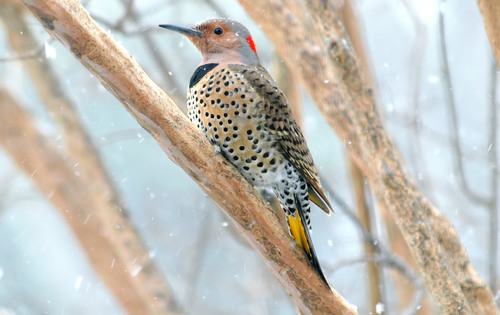
British Columbia, CA
Puedes ver Carpintero Norteño, Pavo Real Común y Red-Breasted Sapsucker.
Ver guía →
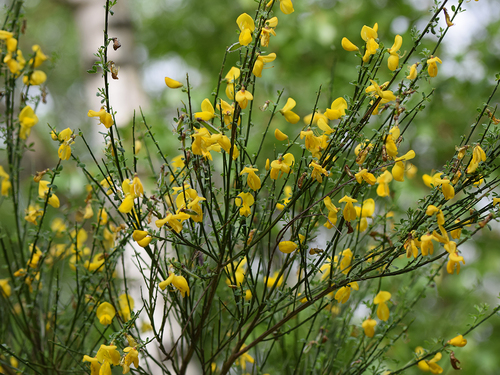
British Columbia, CA
Puedes ver Scotch Broom, Pacific Trillium y Fringe Cups.
Ver guía →

Washington, US
Puedes ver Western Yellow Pond-Lily, Rose Spirea y Fireweed.
Ver guía →
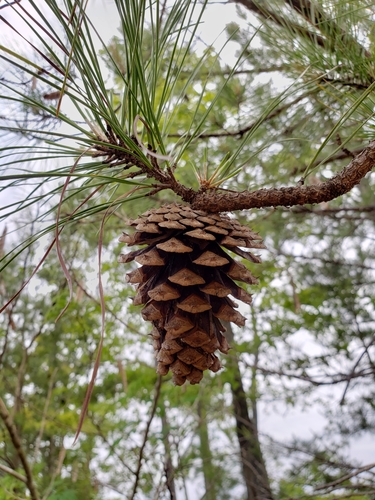
Virginia, US
Puedes ver Loblolly Pine, Fox Grape y Sensitive Fern.
Ver guía →
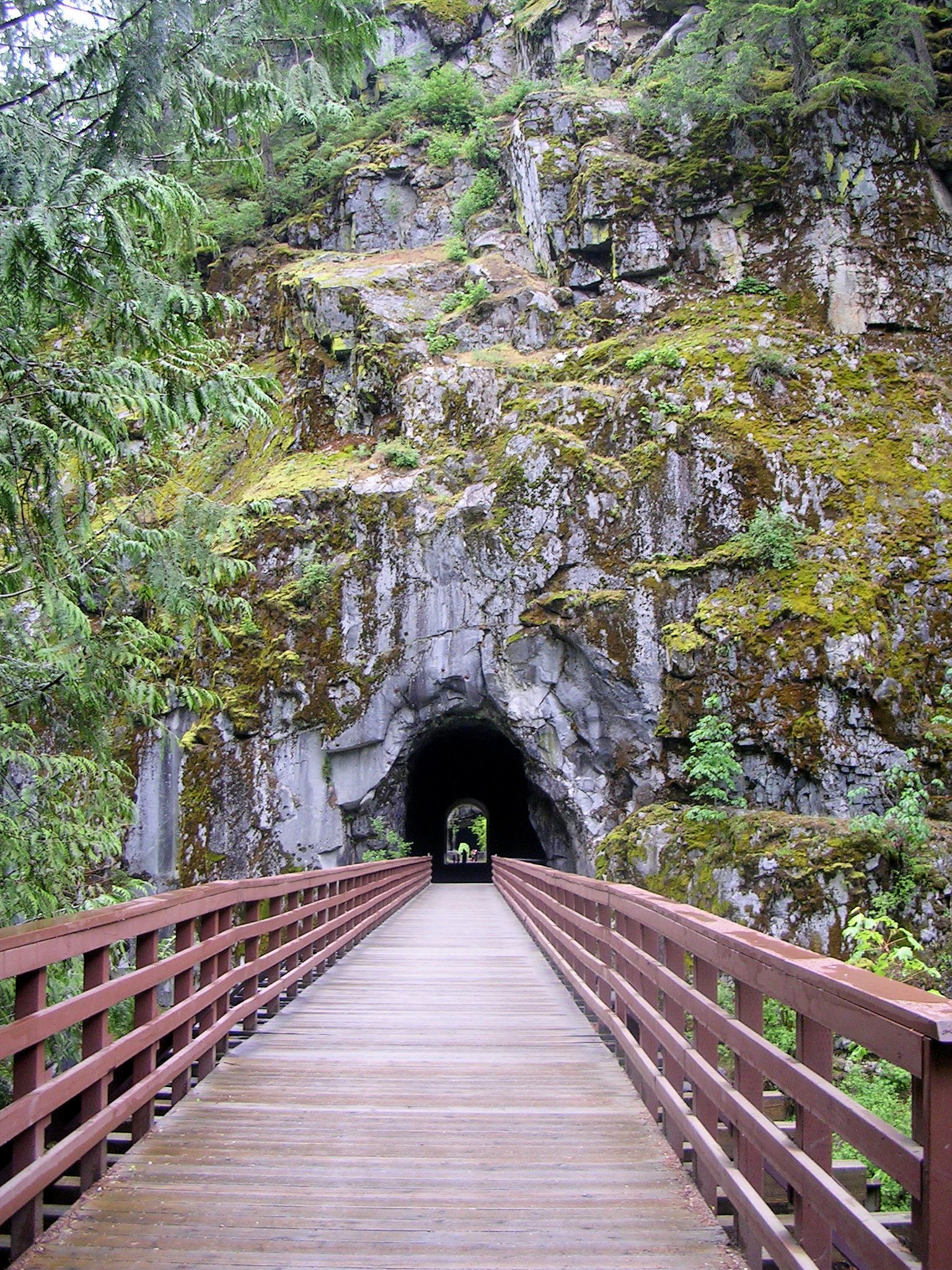
British Columbia, CA
Puedes ver Western Sword Fern, Vine Maple y Thimbleberry.
Ver guía →
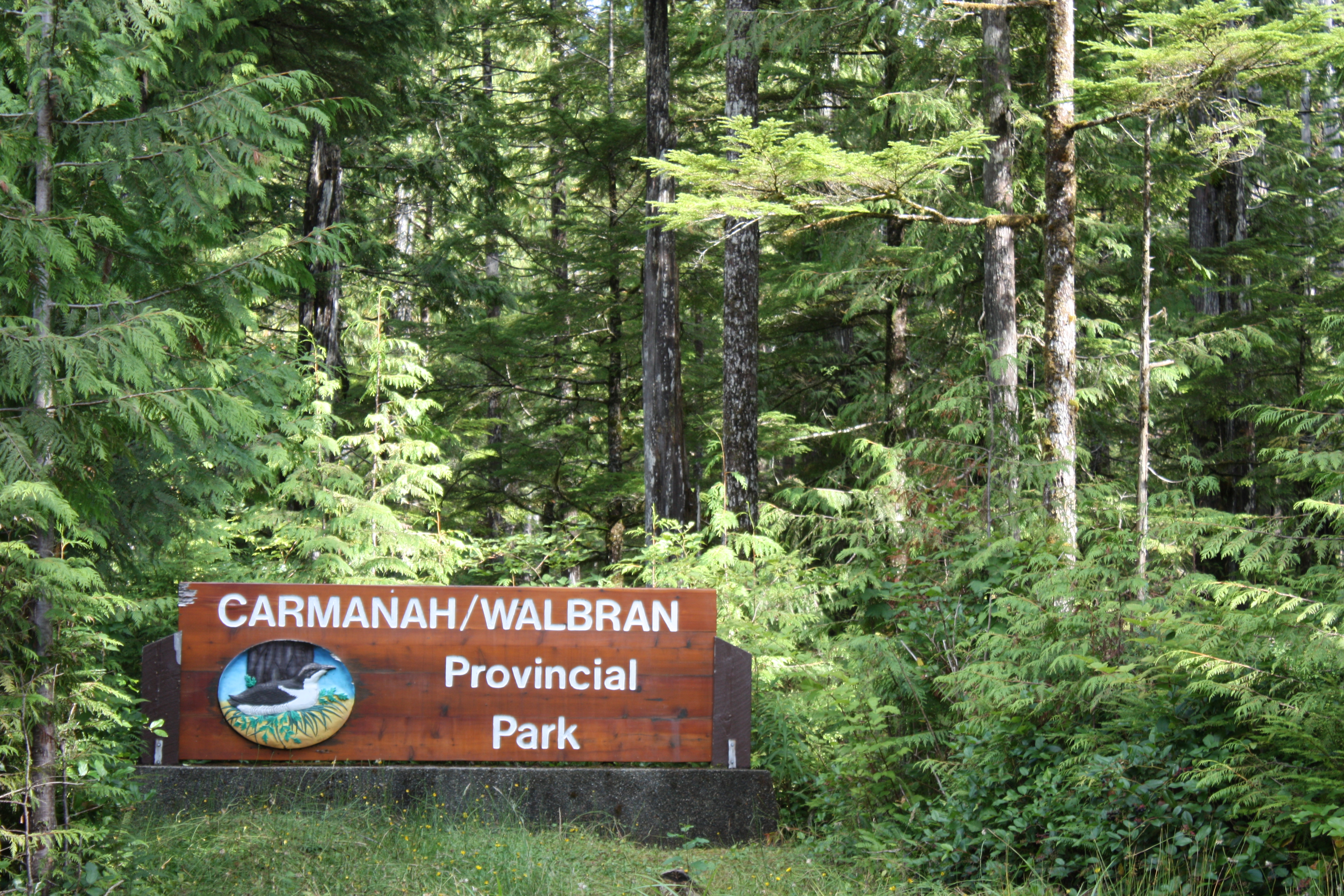
British Columbia, CA
Puedes ver Babosa Banana, Round-Leaved Sundew y Spleenwortleaf Goldthread.
Ver guía →




.jpg&width=800)








%2C_jard%C3%ADn_bot%C3%A1nico_alpino-%C3%A1rtico%2C_Troms%C3%B8%2C_Noruega%2C_2019-09-04%2C_DD_81.jpg&width=800)





