





Lampropeltis Triangulum Gaigeae
lampropeltis triangulum gaigeae
La Lampropeltis Triangulum Gaigeae, también conocida como culebra de leche, ¡es un reptil colorido y fascinante! Estas serpientes son conocidas por sus llamativos patrones y a menudo se encuentran en una variedad de hábitats.
Hábitat: Viven en bosques, pastizales y a veces cerca de asentamientos humanos.
La Lampropeltis Triangulum Gaigeae es una serpiente llamativa adornada con vibrantes bandas de rojo, negro y crema o amarillo. Sus anchas bandas rojas están notablemente bordeadas por bandas crema/amarillas más estrechas, que las separan distintivamente de las bandas negras, una característica clave para distinguirla de otras serpientes anilladas.
Categoría
ReptilesRareza
Common
Peligro
1/5 · Muy bajo
Snaps
¡Sé la primera persona en hacer un snap!
¡A pesar de su nombre, las culebras de leche NO beben leche de vaca!
¡Su nombre científico 'Lampropeltis' significa 'escudo brillante' en griego antiguo!
¡Estas asombrosas serpientes tienen mandíbulas articuladas para tragar presas mucho más grandes que su cabeza!
Mudan toda su capa exterior de piel en una sola pieza a medida que crecen.
La Lampropeltis Triangulum Gaigeae puede imitar los peligrosos patrones de las serpientes coral venenosas que les ayudan a ahuyentar a los depredadores.
La Lampropeltis Triangulum Gaigeae puede constreñir a su presa con un fuerte apretón gracias a sus potentes músculos, ayudándoles a cazar eficazmente.
La Lampropeltis Triangulum Gaigeae tiene un fuerte silbido defensivo y atacará para asustar las amenazas, lo que les ayuda a disuadir a depredadores más grandes.
Este carnívoro se alimenta de pequeños roedores, lagartos, aves e incluso otras serpientes.
Diferencias por edad: Las serpientes más jóvenes pueden comer más invertebrados y lagartos pequeños.
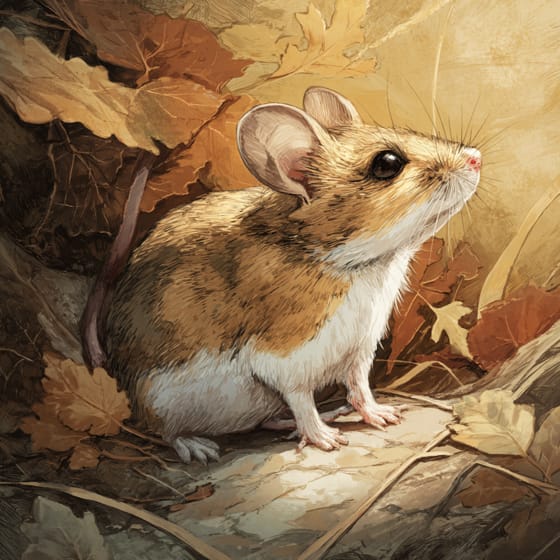
Peromyscus maniculatus
Una comida común para la serpiente.
Sceloporus variabilis
Los lagartos son una fuente de alimento frecuente.
Buteo jamaicensis
Un importante depredador aviar de las culebras de leche.
Didelphis virginiana
Depredador mamífero oportunista.
Los animales solitarios viven solos durante la mayor parte de su vida y solo interactúan con otros para aparearse o cuidar de sus crías.
Colorido describe a organismos u objetos que exhiben una amplia variedad de colores brillantes y distintivos.
Este rasgo identifica a los organismos cuya dieta consiste total o principalmente en tejido animal.
Los animales nocturnos están principalmente activos durante la noche, y suelen descansar o dormir durante el día.
Peligro
1/5 · Muy bajo
Observe siempre las serpientes desde la distancia; no intente tocarlas.
La forma más fácil de identificar a Lampropeltis Triangulum Gaigeae es usar la aplicación de identificación de naturaleza Snappit.
70-120 cm
0.2-0.8 kg
10-15 años
4 km/h
Este carnívoro se alimenta de pequeños roedores, lagartos, aves e incluso otras serpientes.
Viven en bosques, pastizales y a veces cerca de asentamientos humanos.
Emboscada
Acércate para separar los grupos y explorar dónde se ha fotografiado este objeto.
Los snaps recientes aparecerán aquí a medida que se añadan nuevas observaciones.
Llévate el descubrimiento
Haz una foto con Snappit, identifica la especie y guarda el hallazgo en tu colección.















