






Large Yellow Underwing
Noctua pronuba
The Large Yellow Underwing is a big, beautiful moth with bright yellow wings. It loves to fly around at night and can be found in gardens and fields, making it a fun sight for night-time explorers!
Hábitat: Urban areas, gardens, fields
The Large Yellow Underwing has dull, patterned brown or grey forewings, which act as camouflage against tree bark. Its vibrant yellow hindwings, revealed during flight, are edged with a broad black band. This striking contrast makes it visually unique.
Categoría
InsectosRareza
Common
Peligro
1/5 · Muy bajo
Snaps
¡Sé la primera persona en hacer un snap!
Its caterpillars are nicknamed "cutworms" because they sometimes chew through young plant stems at ground level!
Some of these moths travel huge distances, flying across oceans or continents like tiny adventurers!
The Large Yellow Underwing can hear bats using special organs on its chest, helping it avoid becoming dinner!
This moth helps many night-blooming flowers make seeds by carrying their pollen from plant to plant.
Large Yellow Underwing can startle predators with its bright yellow hindwings that flash open when threatened, creating confusion.
Large Yellow Underwing flies actively after dark, using its keen senses to locate flowers for nectar and find mates in the shadows.
Large Yellow Underwing has hardy caterpillars that can feed and grow throughout the winter months, even in cold conditions.
Adult moths sip flower nectar, while their caterpillars munch on leaves and stems of various plants.
Diferencias por edad: Caterpillars are herbivores eating leaves and roots, while adult moths are nectarivores.
Myotis lucifugus
A nocturnal hunter that preys on flying moths like the Large Yellow Underwing.

Lonicera periclymenum
As they drink nectar, adult moths transfer pollen between these fragrant night flowers.

Lactuca sativa
Caterpillars munch on the leaves of various garden vegetables, including lettuce.
Cyanistes caeruleus
Blue Tits feed their chicks many caterpillars, including this moth's larvae.
Colorido describe a organismos u objetos que exhiben una amplia variedad de colores brillantes y distintivos.
Este rasgo caracteriza a los organismos cuya dieta consiste total o principalmente en material vegetal.
Describe plantas que son particularmente atractivas y beneficiosas para una amplia variedad de organismos polinizadores.
Este rasgo identifica a los organismos que exhiben una rapidez excepcional en sus movimientos para cazar, escapar o desplazarse.

Esta característica de hábitat indica especies que pueden coexistir con los humanos en entornos urbanos y suburbanos, utilizando estructuras artificiales y espacios verdes.

Los animales nocturnos están principalmente activos durante la noche, y suelen descansar o dormir durante el día.

Describe organismos que transfieren polen, permitiendo la fertilización y reproducción de las plantas.
Peligro
1/5 · Muy bajo
Moths are usually harmless, but it's best to watch them from a distance.
45-60 mm
25-30 mm
14-28 días
10-20 km/h
Adult moths sip flower nectar, while their caterpillars munch on leaves and stems of various plants.
Urban areas, gardens, fields
Foraging
6
Acércate para separar los grupos y explorar dónde se ha fotografiado este objeto.
Los snaps recientes aparecerán aquí a medida que se añadan nuevas observaciones.

England, UK
Puedes ver Cinnabar Moth, Common Moorhen y Marmalade Hover Fly.
Ver guía →

British Columbia, CA
Puedes ver Western Sword Fern, Abeto De Douglas y Red Huckleberry.
Ver guía →

British Columbia, CA
Puedes ver Herb Robert, Western Redcedar y Thimbleberry.
Ver guía →

British Columbia, CA
Puedes ver Greater Yellowlegs, Glaucous-Winged Gull y Haya Europea.
Ver guía →
Washington, US
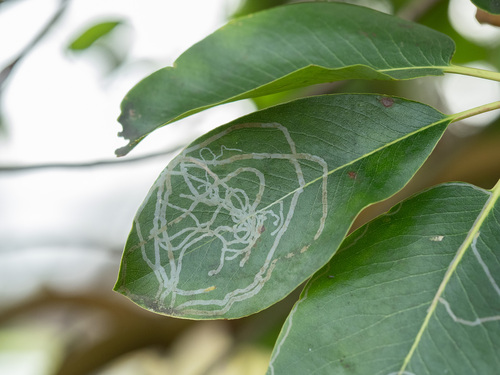
Puedes ver Madrone Skin Miner, Pacific Madrone y Western Redcedar.
Ver guía →

















