





Laughing Gull
Leucophaeus atricilla
The Laughing Gull is a playful bird known for its cheerful calls that sound like laughter! These birds love to hang out near beaches and are often seen flying over the waves.
Hábitat: Coastal areas
The Laughing Gull has a distinctive black head during summer, which turns white with dusky markings in winter. Its dark gray back and wings contrast sharply with a clean white belly. It also features a noticeable red bill and legs.
Categoría
AvesRareza
Common
Peligro
1/5 · Muy bajo
Snaps
¡Sé la primera persona en hacer un snap!
A flock of gulls on the water can be called a 'flotilla' – how cool!
Laughing Gulls take three years to grow their full adult feathers and colors!
Their camouflaged eggs blend perfectly into sandy nests, hiding from predators.
They sometimes steal food right from other birds or even humans!
Laughing Gulls can pluck food from the water's surface or catch insects in mid-air because of their agile flight.
Laughing Gulls have special glands near their eyes that help them remove excess salt, allowing them to drink seawater.
Laughing Gulls have a versatile diet that helps them survive by eating a wide variety of foods, even human scraps.
Laughing Gulls are clever, opportunistic eaters that munch on almost anything they can find, from crabs to discarded snacks!
Falco peregrinus
Peregrine Falcons sometimes prey on adult gulls during migration.
Uca pugilator
Laughing Gulls frequently eat small crabs found along the shoreline.
Homo sapiens
They often scavenge for discarded food left behind by people.
.jpg&width=800)
Sterna antillarum
Laughing Gulls sometimes steal fish from smaller seabirds like terns.
Describe a los animales, principalmente aves, que poseen una cubierta de plumas.
Los animales sociales viven en grupos organizados, cooperando para obtener beneficios de supervivencia como la búsqueda de alimento, la defensa y la cría de descendencia.
Los carroñeros consumen materia orgánica muerta, ayudando a descomponer los cadáveres y otros desechos en el ecosistema.
Colorido describe a organismos u objetos que exhiben una amplia variedad de colores brillantes y distintivos.

Los hábitats costeros son entornos dinámicos situados a lo largo de la interfaz entre la tierra y el mar, influenciados por las mareas, las olas y el agua salada.

Este rasgo identifica a los organismos cuya dieta consiste total o principalmente en tejido animal.

Los animales diurnos están activos principalmente durante el día y suelen descansar o dormir por la noche.

Los hábitats marinos abarcan todos los entornos de agua salada de los océanos de la Tierra, sustentando una inmensa diversidad de vida acuática.

Los animales migratorios emprenden movimientos estacionales de una región a otra, típicamente en respuesta a cambios en el clima o la disponibilidad de alimentos.
Todavía no hay alias listados.
Peligro
1/5 · Muy bajo
Enjoy watching birds from a distance and don't feed them human food.
36-41 cm
98-110 cm
0.2-0.35 kg
10-20 años
50 km/h
Laughing Gulls are clever, opportunistic eaters that munch on almost anything they can find, from crabs to discarded snacks!
Coastal areas
Foraging
Acércate para separar los grupos y explorar dónde se ha fotografiado este objeto.
Los snaps recientes aparecerán aquí a medida que se añadan nuevas observaciones.
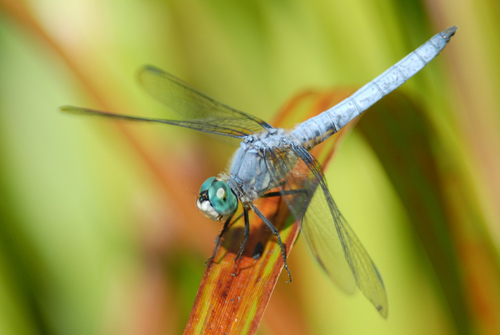
New Jersey, US
Puedes ver Libélula Azul, Eastern Pondhawk y Laughing Gull.
Ver guía →

Virginia, US
Puedes ver Pelícano Pardo, Cormorán Orejudo y Yellow-Crowned Night Heron.
Ver guía →
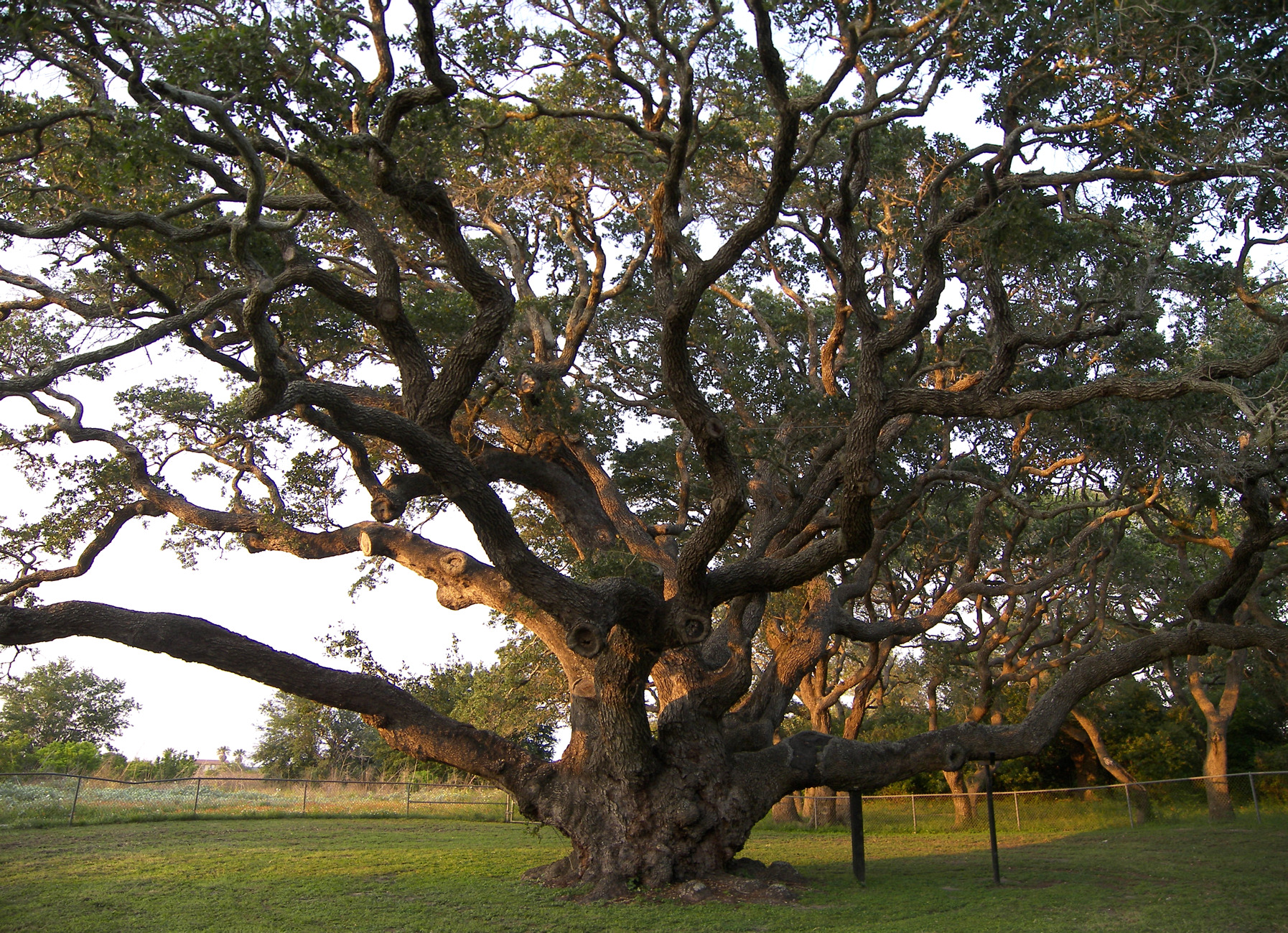
Texas, US
Puedes ver Pelícano Pardo, Ciervo De Cola Blanca y Laughing Gull.
Ver guía →
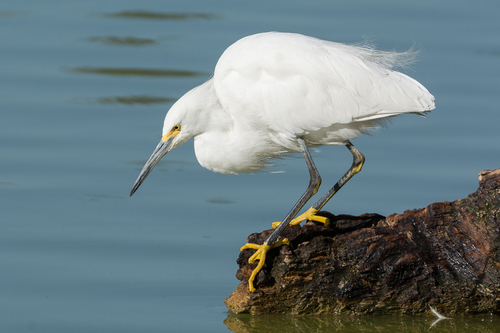
Florida, US
Puedes ver Snowy Egret, Pelícano Pardo y Boat-Tailed Grackle.
Ver guía →

Delaware, US
Puedes ver Atlantic Horseshoe Crab y Laughing Gull.
Ver guía →

Florida, US
Puedes ver False Rosemary, Florida Rosemary y Sanderling.
Ver guía →













