






Limpkin
Aramus guarauna
The Limpkin is a tall, wading bird that loves to live near water. It has a long neck and a special call that sounds like a spooky ghost! These birds are great at finding tasty snails to eat.
Hábitat: Wetlands
The Limpkin is a large, long-legged water bird with dark brown to olive-brown plumage heavily streaked with white, especially on its head and neck. It has a distinctive long, slightly decurved bill that is yellowish with a darker tip, setting it apart from other wetland birds.
Categoría
AvesRareza
Common
Peligro
1/5 · Muy bajo
Snaps
¡Sé la primera persona en hacer un snap!
Limpkins often leave tell-tale piles of empty snail shells behind them!
Sometimes, all the Limpkin chicks from one nest hatch on the same day!
Their unique name comes from their slightly jerky, limping walk!
They are the only living member of their entire bird family, Aramidae!
Limpkin has a unique, slightly curved bill that helps them extract apple snails from their shells with amazing precision.
Limpkin can move silently through marsh vegetation because of its long, unwebbed toes that spread its weight.
Limpkin has excellent hearing that helps them locate prey like snails and frogs in dim light or at night.
Limpkins primarily munch on tasty freshwater snails, especially large apple snails, using their specialized bill.
Alligator mississippiensis
Hunts adult Limpkins and their chicks near water.
Procyon lotor
Raids Limpkin nests for eggs and young chicks.
Pomacea paludosa
The Limpkin's primary food source in its Florida range.
Typha latifolia
Provides dense nesting and roosting cover for Limpkins.
Describe a los animales, principalmente aves, que poseen una cubierta de plumas.
Los animales solitarios viven solos durante la mayor parte de su vida y solo interactúan con otros para aparearse o cuidar de sus crías.
Los animales cantores producen vocalizaciones complejas, a menudo con el propósito de atraer parejas, defender el territorio o comunicarse dentro de su especie.
Este rasgo de hábitat identifica especies que se encuentran en humedales, que son áreas de tierra saturadas de agua, ya sea permanente o estacionalmente, e incluyen marismas, pantanos y ciénagas.

Este rasgo identifica a los organismos cuya dieta consiste total o principalmente en tejido animal.

Describe una especie cuya presencia y papel tienen un efecto desproporcionadamente grande en su entorno.

Los hábitats acuáticos abarcan entornos donde los organismos viven principalmente en el agua, incluidos océanos, ríos, lagos y humedales.

Los animales nocturnos están principalmente activos durante la noche, y suelen descansar o dormir durante el día.
Todavía no hay alias listados.
Peligro
1/5 · Muy bajo
Always watch birds from a distance and don't try to touch them.
64-73 cm
101-107 cm
0.9-1.3 kg
10-15 años
Limpkins primarily munch on tasty freshwater snails, especially large apple snails, using their specialized bill.
Wetlands
Foraging
4-8
Acércate para separar los grupos y explorar dónde se ha fotografiado este objeto.
Los snaps recientes aparecerán aquí a medida que se añadan nuevas observaciones.

Georgia, US
Puedes ver Red-Headed Woodpecker y American White Waterlily.
Ver guía →
Florida, US
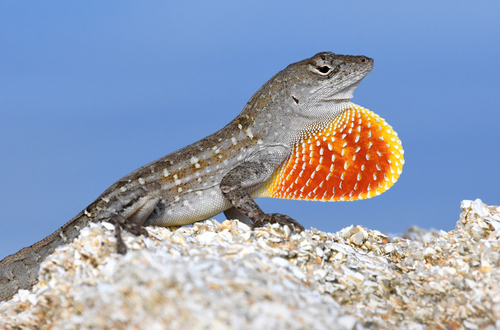
Puedes ver Anolis Castaño, Feather Mosses y Carolina Willow.
Ver guía →
Florida, US
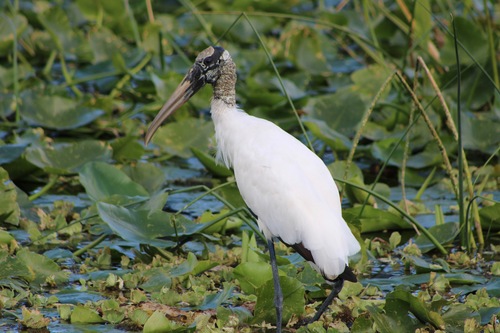
Puedes ver Wood Stork, Anolis Castaño y Taro.
Ver guía →




%2C_Kalloni%2C_Lesvos%2C_Greece%2C_19.04.2015_(16773748434).jpg&width=800)











