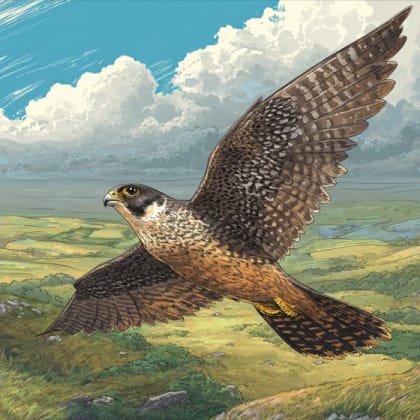
Little Blue Heron
Egretta caerulea
The Little Blue Heron is a beautiful bird with striking blue feathers. It loves to wade in shallow waters to catch fish and other tasty treats. Watching them hunt is a fun sight!
Hábitat: Wetlands
The Little Blue Heron is a medium-sized heron, distinctively recognized by its slate-blue plumage, often with a purplish head and neck. Juveniles are entirely white, providing excellent camouflage before molting into their adult colors. It has dull greenish legs and a bicolored bill with a dark tip.
Categoría
AvesRareza
Common
Peligro
1/5 · Muy bajo
Snaps
¡Sé la primera persona en hacer un snap!
Little Blue Herons often nest in big groups with other heron species.
Their calls can sound like a harsh, throaty 'schaaah', quite surprising!
They sometimes hunt at night, using their great night vision!
Watch them fluff their head feathers when they feel excited or threatened!
Little Blue Heron has a unique color transformation, starting white and turning blue, that helps it adapt to different hunting environments as it matures.
Little Blue Heron can slowly stalk its prey and stand perfectly still for long periods, which helps it ambush unsuspecting fish and amphibians.
Little Blue Heron can gently stir the water with its foot, which helps to startle hidden prey and bring them closer for an easy catch.
Little Blue Heron has long legs and toes that help it wade in shallow waters without sinking, reaching prey others cannot.
Little Blue Herons mainly eat small aquatic animals, catching them with their sharp bills!
Diferencias por edad: Juveniles may focus on easier-to-catch insects and tadpoles before tackling larger fish.
Alligator mississippiensis
Adults can be prey for large alligators.
Gambusia affinis
They are a primary food source in many habitats.
%2C_Vorderansich.jpg&width=800)
Lithobates sphenocephalus
Frogs and their tadpoles are common prey items.

Rhizophora mangle
They often nest and roost among mangrove trees.

Ardea alba
Often nests in mixed colonies, benefiting from shared vigilance.
Describe a los animales, principalmente aves, que poseen una cubierta de plumas.
Los animales solitarios viven solos durante la mayor parte de su vida y solo interactúan con otros para aparearse o cuidar de sus crías.
Colorido describe a organismos u objetos que exhiben una amplia variedad de colores brillantes y distintivos.
Los organismos piscívoros son animales que subsisten principalmente de una dieta a base de peces.

Un depredador de emboscada caza esperando pacientemente y ocultándose, para luego lanzar un ataque repentino cuando una presa desprevenida se pone a su alcance.

Este rasgo de hábitat identifica especies que se encuentran en humedales, que son áreas de tierra saturadas de agua, ya sea permanente o estacionalmente, e incluyen marismas, pantanos y ciénagas.

Los animales diurnos están activos principalmente durante el día y suelen descansar o dormir por la noche.

Describe una especie cuya presencia y papel tienen un efecto desproporcionadamente grande en su entorno.
Todavía no hay alias listados.
Peligro
1/5 · Muy bajo
Always watch birds from a distance and never try to touch or catch them.
56-76 cm
102-106 cm
0.3-0.4 kg
5-10 años
35 km/h
Little Blue Herons mainly eat small aquatic animals, catching them with their sharp bills!
Wetlands
Ambush
Acércate para separar los grupos y explorar dónde se ha fotografiado este objeto.
Los snaps recientes aparecerán aquí a medida que se añadan nuevas observaciones.
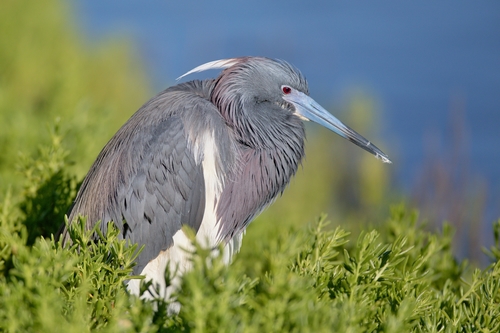
Florida, US
Puedes ver Tricolored Heron, Roseate Spoonbill y Wood Stork.
Ver guía →
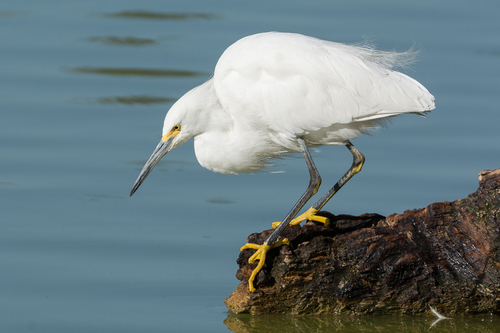
Florida, US
Puedes ver Snowy Egret, Pelícano Pardo y Boat-Tailed Grackle.
Ver guía →
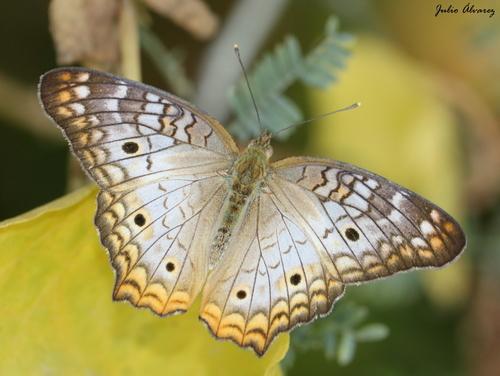
Florida, US
Puedes ver White Peacock, Trailing Daisy y Garza Azulada.
Ver guía →
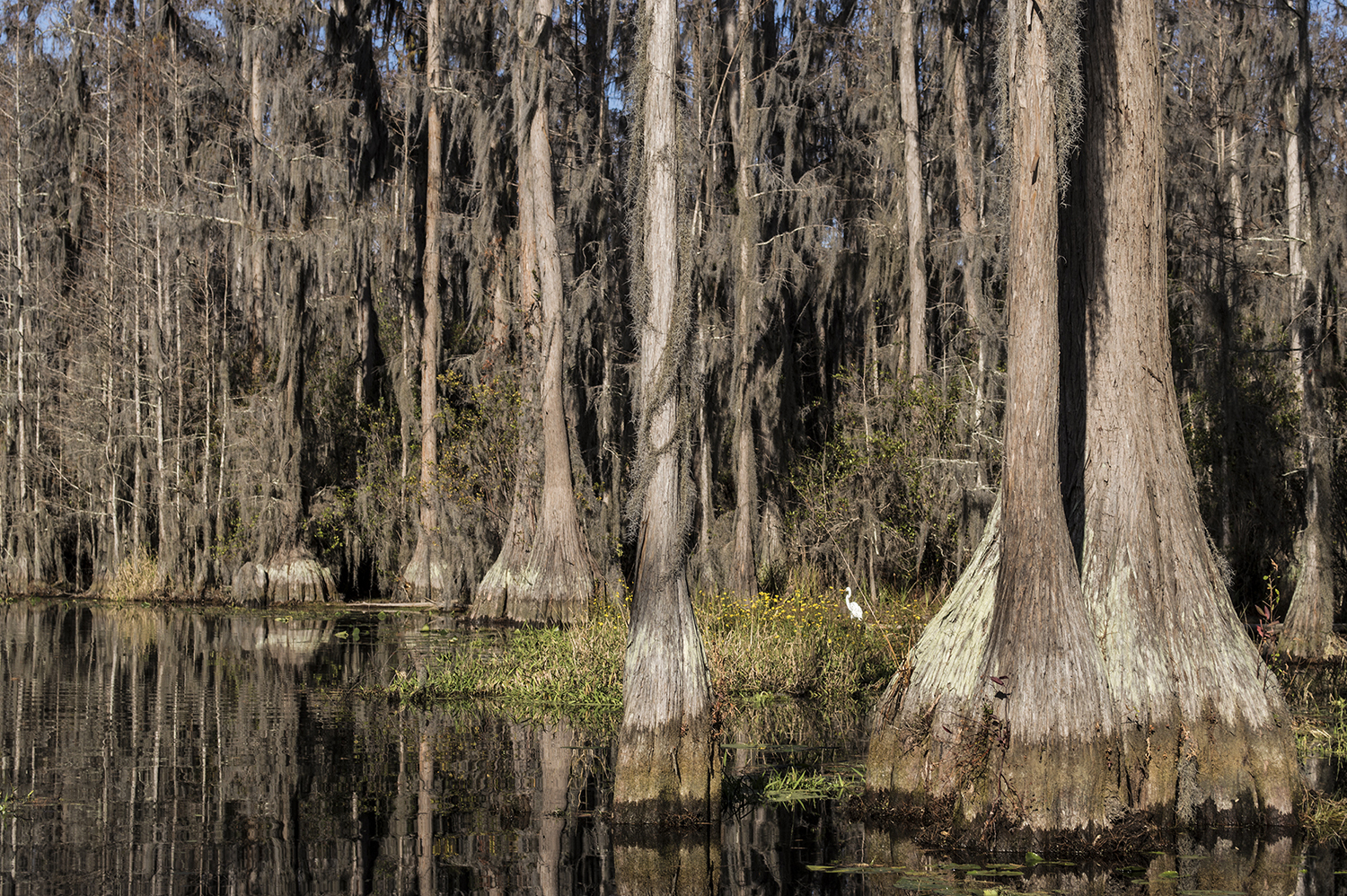
Georgia, US
Puedes ver Caimán Americano, Ciervo De Cola Blanca y Anolis Verde.
Ver guía →

District of Columbia, US
Puedes ver Grevy's Zebra, Eastern Long-Necked Turtle y Sitatunga.
Ver guía →
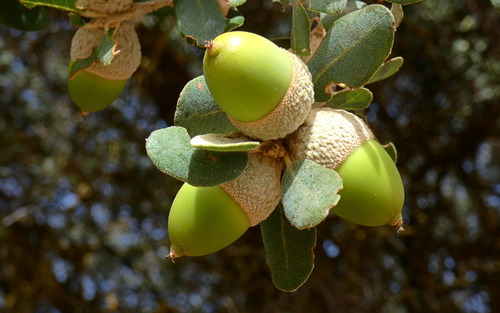
Florida, US
Puedes ver Oaks, Cipreses Calvos y Virginia Creeper.
Ver guía →