
_-_Flickr_-_2ndPeter.jpg&width=800)





Little Brown Skink
Scincella lateralis
The Little Brown Skink is a small, shiny lizard that loves to hide in leaves and grass. It has a long body and a tiny head, making it very cute and quick!
Hábitat: Grasslands
The Little Brown Skink is a slender, glossy lizard with smooth, shiny scales. It typically has a bronzy-brown back and a distinct dark stripe running along each side, from its snout to its tail. Its belly is usually a paler, yellowish-white color.
Categoría
ReptilesRareza
Common
Peligro
1/5 · Muy bajo
Snaps
¡Sé la primera persona en hacer un snap!
Female skinks sometimes guard their eggs until they hatch, being a super mom!
Little brown skinks can find their way home even after being moved!
Their scales are so shiny, they look almost like tiny, living jewels!
When they burrow into soil, they wiggle their bodies like a miniature snake!
Little Brown Skink can drop its tail to confuse predators, giving it a chance to escape danger when threatened.
Little Brown Skink has a camouflaged body that helps them blend perfectly into leaf litter, making them hard to spot.
Little Brown Skink has super smooth, shiny scales that help them slip through tight spaces and leaf litter quickly.
Tiny insectivores, they munch on small bugs, spiders, and other little invertebrates found on the ground.
Coluber constrictor
A common snake predator in their habitat.
Felis catus
Often hunted by common house cats.
Turdus migratorius
Birds snatch them from leaf litter.
Los animales solitarios viven solos durante la mayor parte de su vida y solo interactúan con otros para aparearse o cuidar de sus crías.
El camuflaje describe a los organismos que poseen colores o patrones que les permiten mezclarse con su entorno.
Este rasgo identifica a los organismos cuya dieta consiste principalmente en insectos y otros pequeños invertebrados.
Los hábitats de pastizales son biomas terrestres dominados por pastos y plantas herbáceas, que sustentan a una variedad de animales de pastoreo.

Describe a los organismos que descomponen la materia orgánica muerta, reciclando los nutrientes de vuelta al ecosistema.

Relativo a especies que son significativamente más pequeñas que lo típico o promedio de su tipo.

Este rasgo identifica a los organismos que exhiben una rapidez excepcional en sus movimientos para cazar, escapar o desplazarse.
Todavía no hay alias listados.
Peligro
1/5 · Muy bajo
If you see a skink, watch it from a distance and don't try to catch it.
7-14 cm
0.001-0.005 kg
1-4 años
3 km/h
Tiny insectivores, they munch on small bugs, spiders, and other little invertebrates found on the ground.
Grasslands
Foraging
1-6
Acércate para separar los grupos y explorar dónde se ha fotografiado este objeto.
Los snaps recientes aparecerán aquí a medida que se añadan nuevas observaciones.

Oklahoma, US
Puedes ver Eastern Pondhawk, Green Treefrog y Bronzed Tiger Beetle.
Ver guía →
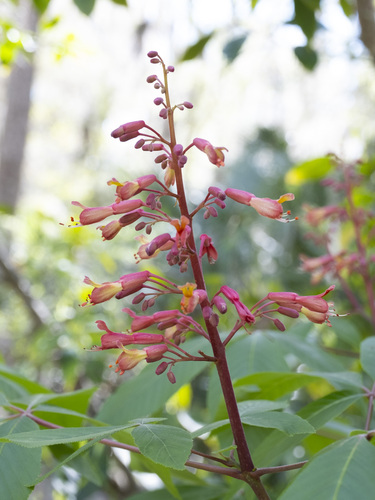
Tennessee, US
Puedes ver Red Buckeye, Aniseroot y Christmas Fern.
Ver guía →

Mississippi, US
Puedes ver Golden Club, Southern Cricket Frog y Dwarf Sundew.
Ver guía →















