






Podarcis lusitanicus
Podarcis lusitanicus
The Lusitanian wall lizard is a small, colorful reptile that loves to bask in the sun. It has a long body and can run quickly to escape from danger.
Hábitat: Coastal areas
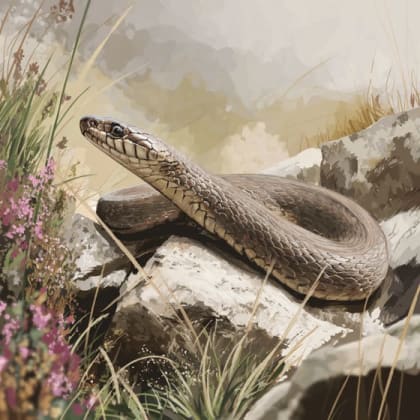
The Podarcis lusitanicus is a slender lizard, typically brownish or greyish, often with faint darker spots or stripes along its back. Males can sometimes show a greenish tinge on their sides or head, and their bellies are whitish to yellowish.
Categoría
ReptilesRareza
Common
Peligro
1/5 · Muy bajo
Snaps
¡Sé la primera persona en hacer un snap!
Lusitanian wall lizards have excellent eyesight to spot even the smallest insects from afar!
Males do push-ups to show off and defend their territory from other lizards!
These tiny lizards often choose to lay their eggs underground, keeping them safe and warm!
They are cold-blooded, meaning their body temperature changes with the air around them!
Podarcis lusitanicus can detach its tail if caught, which wiggles to distract predators while the lizard flees to safety.
Podarcis lusitanicus uses sunlight to warm its body, which helps them gain energy for quick bursts of movement and hunting.
Podarcis lusitanicus has varied patterns that help it blend perfectly into rocks, walls, and leaf litter, hiding from watchful eyes.
These speedy lizards primarily feast on small invertebrates they find scurrying about.
Formica rufa
preys on small ant species found on the ground.
Araneus diadematus
catches spiders that venture within its reach.
Malpolon monspessulanus
a common snake predator in its native range.
Corvus corone
opportunistic birds that prey on small reptiles.
El camuflaje describe a los organismos que poseen colores o patrones que les permiten mezclarse con su entorno.
Colorido describe a organismos u objetos que exhiben una amplia variedad de colores brillantes y distintivos.
Este rasgo identifica a los organismos cuya dieta consiste principalmente en insectos y otros pequeños invertebrados.
Los hábitats costeros son entornos dinámicos situados a lo largo de la interfaz entre la tierra y el mar, influenciados por las mareas, las olas y el agua salada.

Los animales diurnos están activos principalmente durante el día y suelen descansar o dormir por la noche.

Este rasgo identifica a los organismos que exhiben una rapidez excepcional en sus movimientos para cazar, escapar o desplazarse.
Todavía no hay alias listados.
Peligro
1/5 · Muy bajo
If you see a lizard, watch it from a distance and don't try to touch it.
12-20 cm
0.002-0.008 kg
3-8 años
12 km/h
These speedy lizards primarily feast on small invertebrates they find scurrying about.
Coastal areas
Foraging
1-5
Acércate para separar los grupos y explorar dónde se ha fotografiado este objeto.
Los snaps recientes aparecerán aquí a medida que se añadan nuevas observaciones.












.jpg&width=800)
