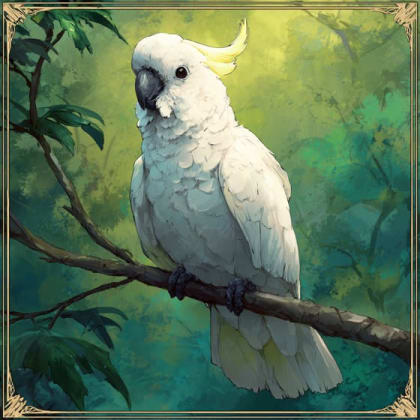
Little Gull
Hydrocoloeus minutus
The Little Gull is a small, graceful bird that loves to fly over water. It has a pretty black head and white body, making it easy to spot while it glides and dives for food.
Hábitat: Coastal areas
The Little Gull is the smallest gull species, featuring a delicate build and rounded wings. Adults in breeding plumage have a distinctive entirely black head, blood-red legs, and a small dark bill. Its unique smoky-grey underwings contrast sharply with its white body, making it easily identifiable.
Categoría
AvesRareza
Common
Peligro
1/5 · Muy bajo
Snaps
¡Sé la primera persona en hacer un snap!
Sometimes they join huge flocks of other birds to hunt for insects!
The Little Gull is the smallest gull in the entire world!
They often hunt by dipping their head under the water's surface while flying!
Young Little Gulls have a distinctive black 'W' pattern across their wings!
Little Gulls can swiftly catch insects in mid-air because of their agile flight and pointed wings.
Little Gulls can snatch tiny prey from the water's surface that helps them find food without diving deep.
Little Gulls have strong wings and an efficient flight style that helps them migrate thousands of kilometers.
They feast on small fish, aquatic insects, and crustaceans, snatching them from water.
Diferencias por edad: Young birds consume mainly insects, while adults have a more varied diet.
Larus marinus
Larger gulls prey on smaller ones.
Falco peregrinus
Hunts gulls in its territory.
Vulpes vulpes
Preys on eggs and chicks.
Daphnia magna
A key food source for gulls.
Describe a los animales, principalmente aves, que poseen una cubierta de plumas.
Los animales sociales viven en grupos organizados, cooperando para obtener beneficios de supervivencia como la búsqueda de alimento, la defensa y la cría de descendencia.
Las criaturas aéreas pasan una parte importante de su vida en el aire, utilizando el vuelo para diversas actividades como la caza, la migración o la anidación.
Los filtradores obtienen nutrientes filtrando partículas de alimentos suspendidos y pequeños organismos del agua.

Los organismos piscívoros son animales que subsisten principalmente de una dieta a base de peces.

Los hábitats costeros son entornos dinámicos situados a lo largo de la interfaz entre la tierra y el mar, influenciados por las mareas, las olas y el agua salada.

Los animales diurnos están activos principalmente durante el día y suelen descansar o dormir por la noche.

Los animales migratorios emprenden movimientos estacionales de una región a otra, típicamente en respuesta a cambios en el clima o la disponibilidad de alimentos.
Todavía no hay alias listados.
Peligro
1/5 · Muy bajo
Always watch birds from a distance and don't try to touch them.
25-27 cm
60-70 cm
0.06-0.16 kg
5-10 años
45 km/h
They feast on small fish, aquatic insects, and crustaceans, snatching them from water.
Coastal areas
Foraging
Acércate para separar los grupos y explorar dónde se ha fotografiado este objeto.
Los snaps recientes aparecerán aquí a medida que se añadan nuevas observaciones.