

low pricklypear
Opuntia humifusa
The low pricklypear is a fun cactus that grows close to the ground. It has flat pads and bright yellow flowers that turn into tasty fruits called prickly pears!
Hábitat: Desert
The low pricklypear has flat, oval-shaped green pads covered in tiny barbed bristles and longer spines. It grows close to the ground, spreading outwards. Its bright yellow or sometimes reddish flowers pop up in late spring.
Categoría
PlantasRareza
Common
Peligro
2/5 · Bajo
Snaps
¡Sé la primera persona en hacer un snap!
Indigenous people sometimes used pricklypear pads to mark trails across the land!
Its juicy fruits, called tunas, are a favorite sweet treat for many desert animals!
Many small creatures like insects and lizards find shelter from the sun under its pads!
This amazing cactus can survive freezing winter temperatures by shriveling its pads!
Low pricklypear has thick, fleshy pads that can store lots of water, helping it survive long droughts.
Low pricklypear has sharp spines and tiny, irritating glochids to protect its pads from hungry animals.
Low pricklypear can grow roots from fallen pieces of its pads, allowing new plants to sprout easily.
Apis mellifera
visits bright flowers for nectar.
.JPG&width=800)
Sylvilagus floridanus
nibbles on its pads and fruits.
Odocoileus virginianus
browses on its tender young pads.
Didelphis virginiana
enjoys its sweet, red fruits.
Sceloporus undulatus
hides from predators.
Las plantas con flores son cualquier planta que produce flores como parte de su ciclo reproductivo.
Las plantas frutales producen frutos, que son los ovarios maduros de las plantas con flores que contienen semillas.
Las plantas medicinales poseen compuestos químicos que pueden utilizarse con fines terapéuticos para tratar enfermedades o mantener la salud.
Las plantas suculentas tienen partes engrosadas y carnosas, generalmente hojas o tallos, adaptadas para almacenar agua en climas áridos.

Las plantas tolerantes a la sequía pueden sobrevivir y florecer en condiciones de escasa disponibilidad de agua.

Las plantas comestibles son aquellas partes de una planta que se consideran seguras para el consumo humano.

Describe plantas que son particularmente atractivas y beneficiosas para una amplia variedad de organismos polinizadores.

Los hábitats desérticos son regiones áridas caracterizadas por precipitaciones extremadamente bajas y, a menudo, temperaturas extremas, que albergan una flora y fauna especializadas.

Posee proyecciones puntiagudas y afiladas o espinas en el cuerpo o en la superficie.
Peligro
2/5 · Bajo
Be careful of the spines on the pricklypear; they can poke you!
5-30 cm
30-100 cm
4-6 cm
Late spring to early summer
Sí
Ninguna
Perenne
Insectos
Acércate para separar los grupos y explorar dónde se ha fotografiado este objeto.
Los snaps recientes aparecerán aquí a medida que se añadan nuevas observaciones.
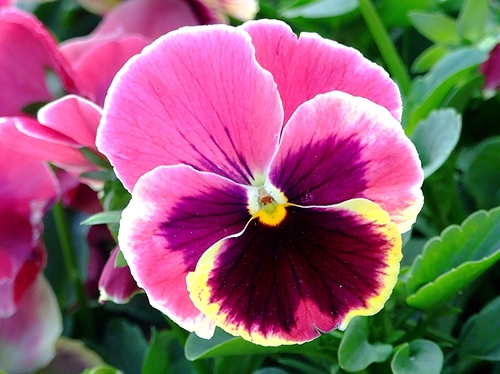
Delaware, US
Puedes ver Garden Pansy, Magnolia Común y Low Pricklypear.
Ver guía →

Delaware, US
Puedes ver Atlantic Horseshoe Crab y Laughing Gull.
Ver guía →
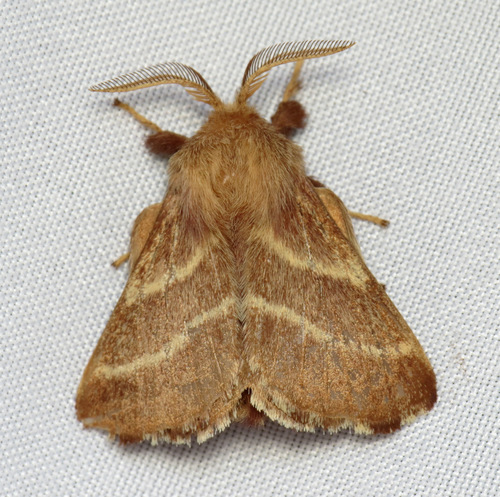
New York, US
Puedes ver Eastern Tent Caterpillar Moth y Common Mugwort.
Ver guía →
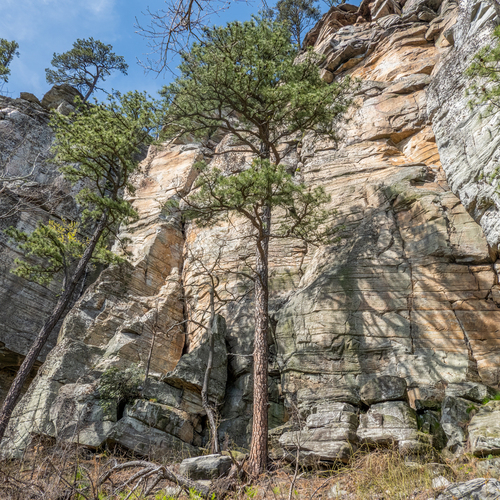
New Jersey, US
Puedes ver Pitch Pine, Pato y Gallberry.
Ver guía →

North Carolina, US
Puedes ver American Turkey Oak, Longleaf Pine y Spiny Spikemoss.
Ver guía →

Maryland, US
Puedes ver Domestic Horse, Sanderling y Atlantic Ghost Crab.
Ver guía →