





Loxodonta cyclotis
Loxodonta cyclotis
El Elefante de Bosque Africano es un gigante amable que vive en los bosques de África. Tienen orejas grandes y colmillos largos, y les encanta comer hojas y frutas de los árboles.
Hábitat: Bosques
La Loxodonta cyclotis es el más pequeño de los elefantes africanos, con una piel gris oscura y partes inferiores rosadas. Tiene orejas notablemente más redondas y colmillos más rectos y apuntando hacia abajo que a menudo son de color marrón rojizo debido a los minerales del bosque, lo que ayuda a distinguirlo de sus parientes de la sabana.
Categoría
MamíferosRareza
Common
Peligro
3/5 · Moderado
Snaps
¡Sé la primera persona en hacer un snap!
¡El estómago de un elefante de bosque puede contener hasta 100 litros de agua!
Los elefantes de bosque ayudan a mantener la selva tropical saludable dispersando semillas a lo largo y ancho.
¡Sus colmillos de marfil son tan densos que a veces se les llama 'marfil de diamante'!
Son considerados los 'jardineros' de la selva tropical de la Cuenca del Congo.
Este herbívoro come una variedad de plantas, especialmente frutas maduras, hojas y corteza.
Sclerocarya birrea
come sus frutos, dispersando semillas

Syncerus caffer
utiliza claros y senderos creados por elefantes

Gorilla gorilla
viaja por senderos despejados por elefantes
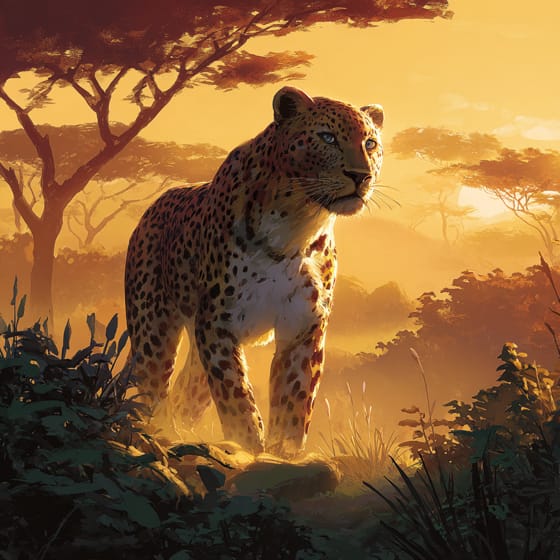
Panthera pardus
ocasionalmente depreda crías de elefante
Los animales sociales viven en grupos organizados, cooperando para obtener beneficios de supervivencia como la búsqueda de alimento, la defensa y la cría de descendencia.
Se caracteriza por tener dientes largos, puntiagudos y salientes, generalmente en pares.
Este rasgo caracteriza a los organismos cuya dieta consiste total o principalmente en material vegetal.
Los hábitats boscosos son entornos terrestres dominados por una densa cubierta arbórea, que sustentan una gran diversidad de vida animal y vegetal.

Los animales diurnos están activos principalmente durante el día y suelen descansar o dormir por la noche.

Describe una especie cuya presencia y papel tienen un efecto desproporcionadamente grande en su entorno.

Gigante describe organismos u objetos de un tamaño significativamente mayor al promedio de su especie o tipo.

El estado de peligro de extinción indica que una especie corre un riesgo muy alto de extinguirse en estado silvestre en un futuro próximo.
Peligro
3/5 · Moderado
Siempre admira a los elefantes desde una distancia segura y nunca te acerques a ellos en la naturaleza.
La forma más fácil de identificar a Loxodonta cyclotis es usar la aplicación de identificación de naturaleza Snappit.
160-280 cm
1700-4000 kg
60-70 años
40 km/h
Este herbívoro come una variedad de plantas, especialmente frutas maduras, hojas y corteza.
Bosques
Forrajeo
Acércate para separar los grupos y explorar dónde se ha fotografiado este objeto.
Los snaps recientes aparecerán aquí a medida que se añadan nuevas observaciones.
Llévate el descubrimiento
Haz una foto con Snappit, identifica la especie y guarda el hallazgo en tu colección.




.jpg&width=800)


.JPG&width=800)


.jpg&width=800)
