






Madrone Skin Miner
Marmara arbutiella
The Madrone Skin Miner is a tiny insect that loves to live on madrone trees. It makes little tunnels under the tree's skin, which helps the tree stay healthy and strong.
Hábitat: Forests
The Madrone Skin Miner is a tiny, slender micromoth, typically metallic silver or gray with intricate dark brown and black markings, including a distinctive black spot on each forewing. Its small size and elongated, narrow wings help it camouflage against tree bark or leaves.
Categoría
InsectosRareza
Common
Peligro
1/5 · Muy bajo
Snaps
¡Sé la primera persona en hacer un snap!
It's so small, some adult moths can fit on the tip of your pinky finger!
Its babies live inside tree leaves, munching away like secret agents!
The wavy lines you see on Madrone leaves are art made by this tiny miner!
Wow! This tiny moth got its name from its favorite tree, the Madrone!
Madrone Skin Miner can create winding tunnels inside leaves because its larvae eat plant tissue from within, leaving distinctive silvery trails.
Madrone Skin Miner has metallic scales and dark markings that help them blend perfectly with tree bark, making them hard for predators to spot.
Madrone Skin Miner can quickly reproduce multiple generations in a single year, which helps ensure the survival of its species.
These tiny larvae munch on the juicy insides of Madrone tree leaves, creating unique tunnels.
Diferencias por edad: Larvae eat plant tissue, while adult moths likely consume minimal or no nectar.

Arbutus menziesii
Provides food and shelter for the larvae.
Poecile atricapillus
Small birds prey on adult moths.
Oecobius annulipes
Spiders commonly capture small moths.
Los animales solitarios viven solos durante la mayor parte de su vida y solo interactúan con otros para aparearse o cuidar de sus crías.
El camuflaje describe a los organismos que poseen colores o patrones que les permiten mezclarse con su entorno.
Este rasgo caracteriza a los organismos cuya dieta consiste total o principalmente en material vegetal.
Los hábitats boscosos son entornos terrestres dominados por una densa cubierta arbórea, que sustentan una gran diversidad de vida animal y vegetal.

Describe una especie cuya presencia y papel tienen un efecto desproporcionadamente grande en su entorno.

Relativo a especies que son significativamente más pequeñas que lo típico o promedio de su tipo.

Describe organismos que transfieren polen, permitiendo la fertilización y reproducción de las plantas.
Todavía no hay alias listados.
Peligro
1/5 · Muy bajo
It's best to look at insects from a distance and not touch them.
6-10 mm
3-5 mm
7-10 días
These tiny larvae munch on the juicy insides of Madrone tree leaves, creating unique tunnels.
Forests
Foraging
6
Acércate para separar los grupos y explorar dónde se ha fotografiado este objeto.
Los snaps recientes aparecerán aquí a medida que se añadan nuevas observaciones.
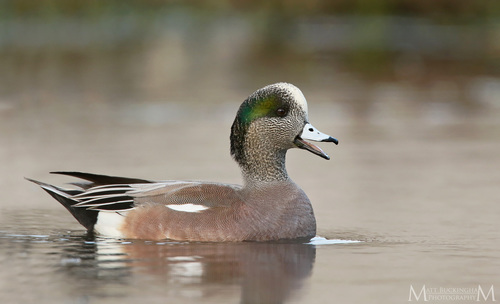
Washington, US
Puedes ver American Wigeon, Madrone Skin Miner y Ardilla Gris Oriental.
Ver guía →
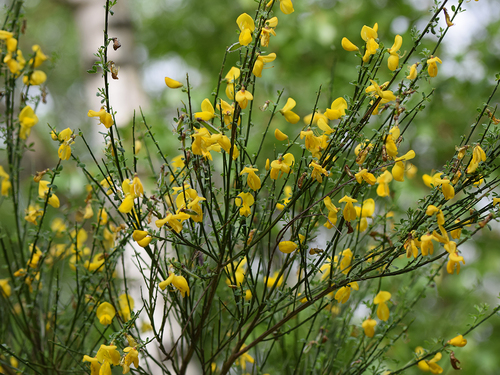
British Columbia, CA
Puedes ver Scotch Broom, Pacific Trillium y Fringe Cups.
Ver guía →
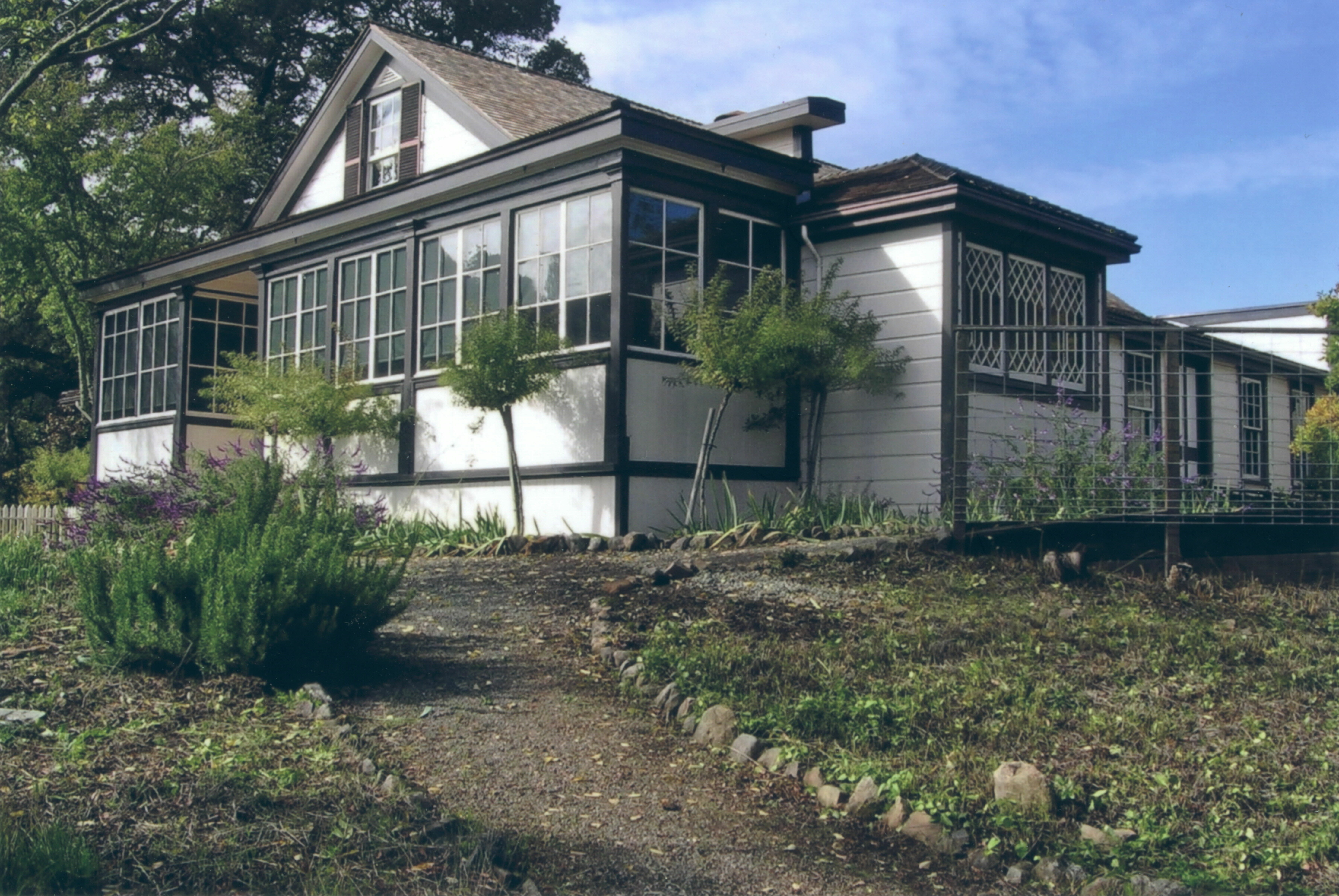
California, US
Puedes ver Pacific Hound's Tongue, Pacific Trillium y Secuoya.
Ver guía →
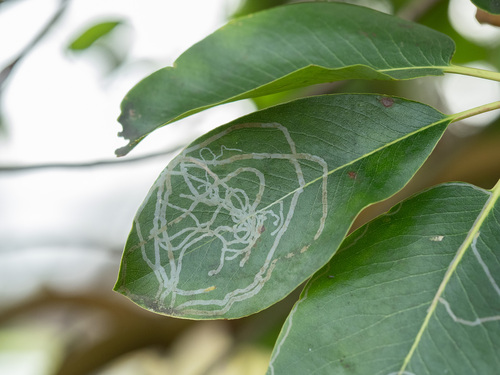
Washington, US
Puedes ver Madrone Skin Miner, Pacific Madrone y Western Redcedar.
Ver guía →
.jpg)
British Columbia, CA
Puedes ver Pacific Madrone, Shortspur Seablush y Cascade Oregon-Grape.
Ver guía →

British Columbia, CA
Puedes ver Western Rattlesnake Plantain, Fairy-Slipper y Serpentine Fern.
Ver guía →










_Triodia_sylvina_-_St_Foy_d%27Aigrefeuille_-_France_-_male.jpg&width=800)
