






Mandarin Duck
Aix galericulata
Mandarin Ducks are colorful birds that look like they are wearing fancy clothes! They love to swim and can be found near ponds and lakes, where they play and splash around.
Hábitat: Wetlands
The Mandarin Duck is renowned for the male's spectacular plumage, featuring a metallic green and purple crest, broad orange 'sails' on its back, and a vibrant rufous collar. Its face has a striking white crescent above the eye. Females are more subdued, with grey heads and white eye-rings.
Categoría
AvesRareza
Common
Peligro
1/5 · Muy bajo
Snaps
¡Sé la primera persona en hacer un snap!
Baby Mandarin ducks bravely jump from high tree holes just one day after hatching!
In Asia, Mandarin Ducks symbolize lasting love and fidelity, often seen in beautiful art!
Mandarin Ducks are super close relatives of the famous North American Wood Duck!
The male's amazing 'sails' on its back are actually special modified flight feathers!
Mandarin Ducks can perch high in trees because of their strong claws, helping them avoid predators and find safe nesting spots.
Mandarin Ducks have special nesting habits, laying eggs deep inside tree cavities that protect their eggs and ducklings.
Mandarin Ducks can dive underwater using their webbed feet, helping them snatch up tasty submerged plants and insects.
Mandarin Ducks enjoy a mix of seeds, plants, and small critters found in and around water.
Diferencias por edad: Ducklings eat more insects for protein; adults shift to more plant material.
Quercus serrata
Eats its acorns, especially important food source in winter.
Neovison vison
Predates eggs and ducklings, sometimes even adult birds.
Bubo bubo
Hunts adult ducks, particularly during the night.
Describe a los animales, principalmente aves, que poseen una cubierta de plumas.
Los animales sociales viven en grupos organizados, cooperando para obtener beneficios de supervivencia como la búsqueda de alimento, la defensa y la cría de descendencia.
Este rasgo identifica organismos cuya dieta incluye tanto materia vegetal como animal.
Los animales arborícolas viven principalmente en los árboles, utilizándolos como refugio, alimento y protección contra los depredadores.

Colorido describe a organismos u objetos que exhiben una amplia variedad de colores brillantes y distintivos.

Los filtradores obtienen nutrientes filtrando partículas de alimentos suspendidos y pequeños organismos del agua.

Este rasgo de hábitat identifica especies que se encuentran en humedales, que son áreas de tierra saturadas de agua, ya sea permanente o estacionalmente, e incluyen marismas, pantanos y ciénagas.

Los hábitats de agua dulce incluyen entornos acuáticos no salinos como ríos, lagos, estanques y humedales, vitales para numerosas especies.

Los animales diurnos están activos principalmente durante el día y suelen descansar o dormir por la noche.

Los animales migratorios emprenden movimientos estacionales de una región a otra, típicamente en respuesta a cambios en el clima o la disponibilidad de alimentos.
Todavía no hay alias listados.
Peligro
1/5 · Muy bajo
Always watch ducks from a distance and don't feed them bread.
41-49 cm
65-75 cm
0.44-0.69 kg
6-10 años
65 km/h
Mandarin Ducks enjoy a mix of seeds, plants, and small critters found in and around water.
Wetlands
Foraging
Acércate para separar los grupos y explorar dónde se ha fotografiado este objeto.
Los snaps recientes aparecerán aquí a medida que se añadan nuevas observaciones.

Tennessee, US
Puedes ver Parachromis Managuensis, Jirafas y Common Ostrich.
Ver guía →

South Holland, NL
Puedes ver Grey Heron, Eurasian Jackdaw y Common Moorhen.
Ver guía →
.jpg)
Ústí nad Labem Region, CZ
Puedes ver Pico Picapinos y Red-Crested Pochard.
Ver guía →
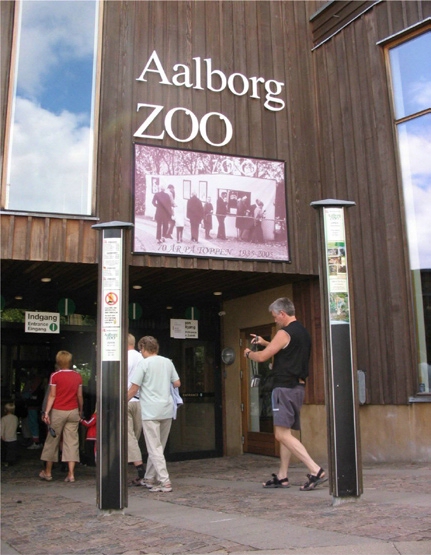
North Denmark Region, DK
Puedes ver Gorrión Común, Eurasian Jackdaw y Common Wood-Pigeon.
Ver guía →

Washington, US
Puedes ver Strawberry Tree, Pato y Castor Americano.
Ver guía →

Izmir, TR
Puedes ver León Africano, Camelus y Psittacidae.
Ver guía →











.jpg&width=800)
