






mapleleaf viburnum
Viburnum acerifolium
The mapleleaf viburnum is a lovely shrub with beautiful leaves that look like maple leaves! It produces small white flowers in spring and bright red berries in the fall, which are enjoyed by birds.
Hábitat: Forests
The mapleleaf viburnum is an upright shrub with distinctive three-lobed leaves resembling a maple. It has flat-topped clusters of creamy white flowers in spring, followed by berries that transition from green to red, then finally dark blue-black.
Categoría
PlantasRareza
Common
Peligro
1/5 · Muy bajo
Snaps
¡Sé la primera persona en hacer un snap!
Despite its name, it's not a maple tree, but a viburnum shrub!
Its dark berries often cling through winter, a vital food source for birds!
Its leaves often have tiny, soft hairs, making them feel wonderfully fuzzy!
Its scientific name means 'maple-leaved' as its leaves truly mimic a maple's!
Mapleleaf viburnum can thrive in shady forest understories, letting it grow where many other plants struggle.
It has leaves that turn a brilliant purplish-red in fall, making it stand out in the forest.
Its berries change from green to red to black, signaling to hungry birds when they are perfectly ripe.
Turdus migratorius
Feeds on its ripe, dark berries.
Apis mellifera
Visits its flowers for nectar and pollen.
Odocoileus virginianus
Browses on its tender leaves and twigs.
Sialia sialis
Relies on its berries as winter food.
Las plantas caducifolias pierden periódicamente todas sus hojas, por lo general durante el otoño o las estaciones secas.
Un arbusto es una planta leñosa más pequeña que un árbol, típicamente con múltiples tallos que se ramifican desde o cerca del suelo.
Las plantas tolerantes a la sombra están adaptadas para crecer y prosperar en áreas con bajos niveles de luz, requiriendo menos luz solar directa.
Las flores fragantes emiten un aroma agradable, a menudo para atraer polinizadores o como defensa.

Las plantas frutales producen frutos, que son los ovarios maduros de las plantas con flores que contienen semillas.

Los colores otoñales se refieren al cambio estacional en la pigmentación del follaje, principalmente en plantas de hoja caduca, mostrando tonos vibrantes.

Describe plantas que son particularmente atractivas y beneficiosas para una amplia variedad de organismos polinizadores.

Los hábitats boscosos son entornos terrestres dominados por una densa cubierta arbórea, que sustentan una gran diversidad de vida animal y vegetal.
Todavía no hay alias listados.
Peligro
1/5 · Muy bajo
Always look but don't touch the berries unless an adult says it's safe.
150-250 cm
100-200 cm
0.3-0.6 cm
Late spring to early summer
No
Leve
Perenne
Insectos
Acércate para separar los grupos y explorar dónde se ha fotografiado este objeto.
Los snaps recientes aparecerán aquí a medida que se añadan nuevas observaciones.

Virginia, US
Puedes ver Summer Snowflake, Lesser Celandine y Mapleleaf Viburnum.
Ver guía →
.jpg)
Virginia, US
Puedes ver Garza Azulada, Fan Clubmoss y Barnacla Canadiense.
Ver guía →
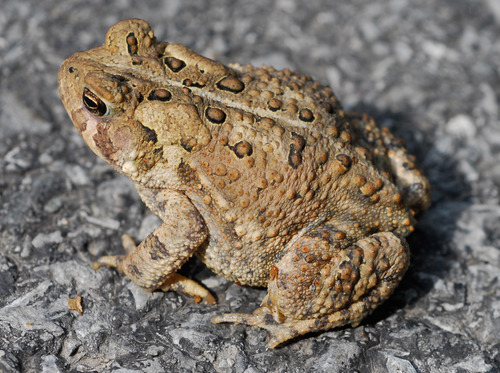
Virginia, US
Puedes ver Sapo Americano, Liquidámbar Americano y Partridgeberry.
Ver guía →
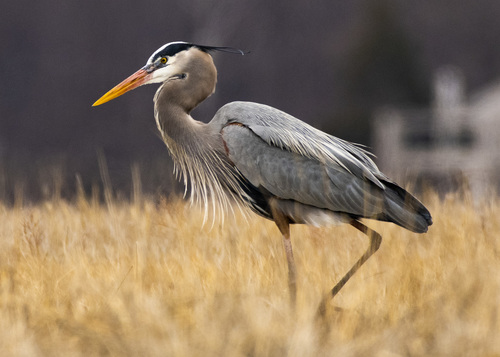
Virginia, US
Puedes ver Garza Azulada, Barnacla Canadiense y Tordo Sargento.
Ver guía →
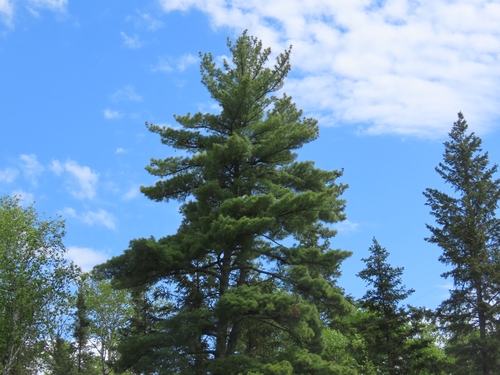
Connecticut, US
Puedes ver Pino Blanco Oriental, Tsuga Del Canadá y Laurel De Montaña.
Ver guía →
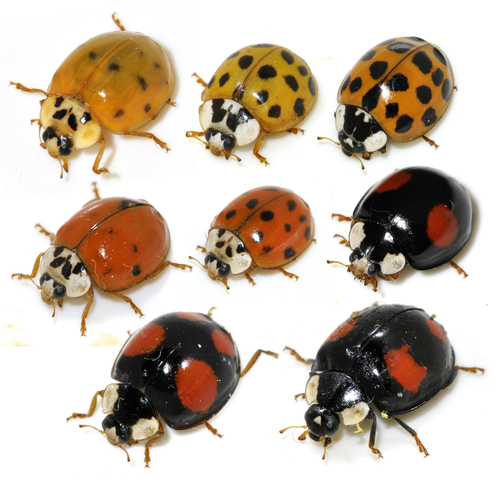
Virginia, US
Puedes ver Mariquita Asiática, Monarch y Oriental Bittersweet.
Ver guía →
















.JPG&width=800)
