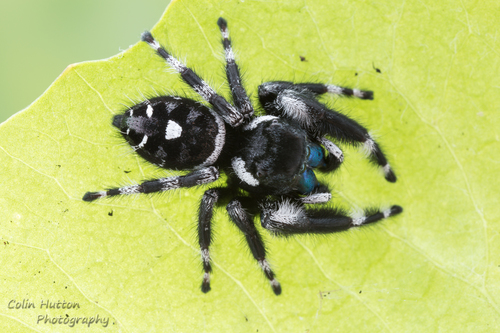
Marbled Cellar Spider
holocnemus pluchei
The Marbled Cellar Spider is a fascinating little creature that loves to hide in dark corners. Its unique marbled pattern helps it blend into its surroundings!
Hábitat: They live in dark, damp areas like basements, caves, and under rocks.
The Marbled Cellar Spider has a pale yellowish-brown body with distinct dark, marbled patterns on its abdomen. Its long, fragile legs are notably slender, often featuring darker rings at the joints, making it distinct from other cellar spiders.
Categoría
InvertebrateRareza
Common
Peligro
0/5 · Sin peligro conocido
Snaps
¡Sé la primera persona en hacer un snap!
Despite their delicate looks, these spiders can capture and eat prey much larger than themselves!
Female Marbled Cellar Spiders carry their egg sac in their jaws until the spiderlings hatch!
They are sometimes called 'daddy long-legs' but are not true daddy long-legs!
They pluck other spiders' webs to lure out prey, a clever hunting trick!
Marbled Cellar Spider can spin loose, tangled webs that help them efficiently trap various flying and crawling insects.
Marbled Cellar Spider has incredibly long legs that allow it to vibrate its body rapidly, blurring itself to confuse predators.
Marbled Cellar Spider can use its agility and venom to hunt and overpower other spiders, even larger ones, in their own webs.
These expert hunters trap insects and other small arthropods in their messy webs.
Parasteatoda tepidariorum
They are known predators of other house-dwelling spiders.

Latrodectus hesperus
Marbled Cellar Spiders are known to kill and eat black widows.
Musca domestica
They efficiently catch and consume common household flies.
Podarcis muralis
Small lizards may occasionally prey on cellar spiders.
Los animales solitarios viven solos durante la mayor parte de su vida y solo interactúan con otros para aparearse o cuidar de sus crías.
El camuflaje describe a los organismos que poseen colores o patrones que les permiten mezclarse con su entorno.
Los hábitats boscosos son entornos terrestres dominados por una densa cubierta arbórea, que sustentan una gran diversidad de vida animal y vegetal.
Este rasgo identifica a los organismos cuya dieta consiste total o principalmente en tejido animal.

Los animales nocturnos están principalmente activos durante la noche, y suelen descansar o dormir durante el día.
Peligro
0/5 · Sin peligro conocido
Always look but do not touch spiders!
0.05 g
1 años
These expert hunters trap insects and other small arthropods in their messy webs.
They live in dark, damp areas like basements, caves, and under rocks.
Ambush
Acércate para separar los grupos y explorar dónde se ha fotografiado este objeto.
Los snaps recientes aparecerán aquí a medida que se añadan nuevas observaciones.