






Marbled Godwit
Limosa fedoa
The Marbled Godwit is a tall, long-legged bird with a beautiful, patterned body. It loves to wade in shallow waters looking for yummy snacks like worms and insects.
Hábitat: Coastal areas
The Marbled Godwit has long bluish-gray legs and a striking pinkish-orange bill with a dark tip that curves slightly upwards. Its body plumage is mottled brown and buff, creating a distinct marbled pattern which helps it blend into marshy environments.
Categoría
AvesRareza
Common
Peligro
1/5 · Muy bajo
Snaps
¡Sé la primera persona en hacer un snap!
Godwit chicks can walk and feed themselves just hours after hatching!
Marbled Godwits communicate with 'god-wit' calls, giving them their name!
Their long, upturned bill is perfect for probing deep into soft mud!
They nest in a simple scrape on the ground, often hidden by tall grass.
Marbled Godwit can feel buried worms with its sensitive bill because of nerve endings that help them detect hidden prey.
Marbled Godwit has long legs that help them wade into deeper water without getting their bodies wet to find food.
Marbled Godwit can fly thousands of kilometers non-stop because of strong wings that help them reach distant wintering grounds.
They probe muddy wetlands and coasts, using their long bills to find worms, insects, and tiny shellfish.
Arenicola marina
A common prey item found in muddy substrates.
Palaemonetes pugio
Small crustaceans often foraged in shallow waters.
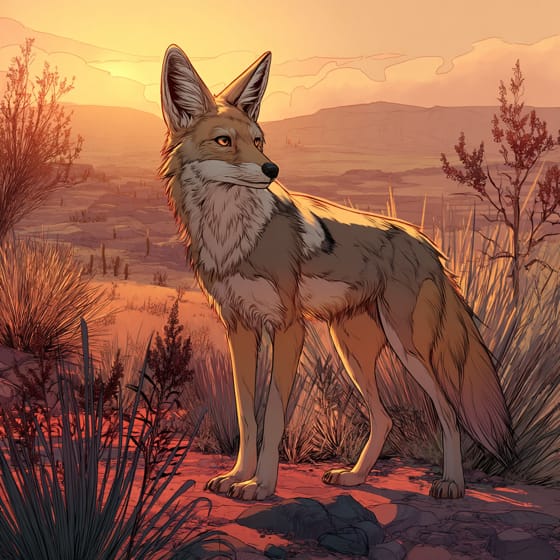
Canis latrans
Can prey on eggs, chicks, or adult godwits.
Bubo virginianus
A nocturnal raptor that preys on various birds.
Describe a los animales, principalmente aves, que poseen una cubierta de plumas.
Los animales sociales viven en grupos organizados, cooperando para obtener beneficios de supervivencia como la búsqueda de alimento, la defensa y la cría de descendencia.
El camuflaje describe a los organismos que poseen colores o patrones que les permiten mezclarse con su entorno.
Este rasgo identifica a los organismos cuya dieta consiste principalmente en insectos y otros pequeños invertebrados.

Los hábitats costeros son entornos dinámicos situados a lo largo de la interfaz entre la tierra y el mar, influenciados por las mareas, las olas y el agua salada.

Los animales diurnos están activos principalmente durante el día y suelen descansar o dormir por la noche.

Este rasgo identifica a los organismos que exhiben una rapidez excepcional en sus movimientos para cazar, escapar o desplazarse.

Los animales migratorios emprenden movimientos estacionales de una región a otra, típicamente en respuesta a cambios en el clima o la disponibilidad de alimentos.

El estado de amenazado indica que es probable que una especie pase a estar en peligro de extinción en el futuro cercano si no se toman medidas efectivas de conservación.
Todavía no hay alias listados.
Peligro
1/5 · Muy bajo
Always watch birds from a distance and be quiet so you don't scare them away.
40-50 cm
70-80 cm
0.25-0.45 kg
5-13 años
60 km/h
They probe muddy wetlands and coasts, using their long bills to find worms, insects, and tiny shellfish.
Coastal areas
Foraging
Acércate para separar los grupos y explorar dónde se ha fotografiado este objeto.
Los snaps recientes aparecerán aquí a medida que se añadan nuevas observaciones.




.jpg)








_in_tree-2c.jpg&width=800)
