






Mariposa Copper
Tharsalea mariposa
The Mariposa Copper is a beautiful butterfly with bright orange and black wings. It flutters around flowers and loves sunny spots, making it a delightful sight in nature.
Hábitat: Meadows
The Mariposa Copper is a small butterfly with brilliant, iridescent coppery-orange upperwings, often marked with dark spots. Its hindwings can be dusky with a subtle dark band, while the undersides are typically duller gray or tan for camouflage, helping it blend into its environment.
Categoría
InsectosRareza
Common
Peligro
1/5 · Muy bajo
Snaps
¡Sé la primera persona en hacer un snap!
Baby Mariposa Coppers look like tiny green slugs, not fuzzy caterpillars, as they munch on leaves.
Its shiny wings often flash brilliant copper, making it look like a flying penny in the sun!
These butterflies sometimes gather in damp spots to drink important minerals from the soil, a behavior called 'puddling.'
Unlike many butterflies, male Mariposa Coppers are very territorial and will chase other insects out of their space!
Mariposa Copper can drink sweet flower nectar using a long, straw-like mouthpart (proboscis), reaching deep into blossoms for energy.
Mariposa Copper has duller underside wings that blend perfectly with dried leaves and bark when resting, helping them hide.
Mariposa Copper has dark body parts that absorb sunlight, helping them warm up quickly for flight on cool mountain mornings.
Adults sip flower nectar for energy; caterpillars munch on specific plant leaves to grow.
Diferencias por edad: Larvae eat the leaves of cinquefoil plants; adults drink nectar from various flowering plants.
Potentilla gracilis
Its larvae feed exclusively on the leaves of this host plant.
Solidago canadensis
Adult butterflies visit its flowers, drinking nectar and transferring pollen.

Cyanocitta stelleri
Birds like this one are generalist predators of adult butterflies.
Los animales sociales viven en grupos organizados, cooperando para obtener beneficios de supervivencia como la búsqueda de alimento, la defensa y la cría de descendencia.
Colorido describe a organismos u objetos que exhiben una amplia variedad de colores brillantes y distintivos.
Este rasgo caracteriza a los organismos cuya dieta consiste total o principalmente en material vegetal.
Describe plantas que son particularmente atractivas y beneficiosas para una amplia variedad de organismos polinizadores.

Los animales diurnos están activos principalmente durante el día y suelen descansar o dormir por la noche.

Describe organismos que transfieren polen, permitiendo la fertilización y reproducción de las plantas.
Todavía no hay alias listados.
Peligro
1/5 · Muy bajo
Always watch butterflies from a distance and don't try to catch them.
25-35 mm
10-15 mm
15-30 días
10 km/h
Adults sip flower nectar for energy; caterpillars munch on specific plant leaves to grow.
Meadows
Foraging
6
Acércate para separar los grupos y explorar dónde se ha fotografiado este objeto.
Los snaps recientes aparecerán aquí a medida que se añadan nuevas observaciones.

British Columbia, CA
Puedes ver Shinyleaf Meadowsweet, Northern Checkerspot y Fireweed.
Ver guía →
British Columbia, CA
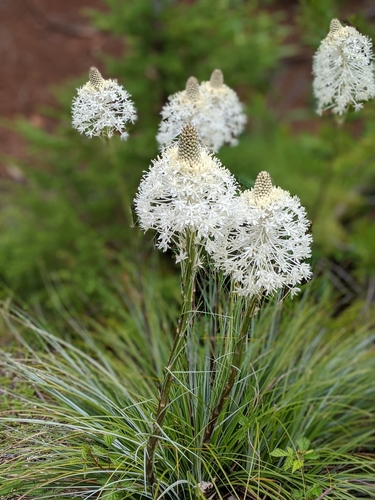
Puedes ver Common Beargrass, Subalpine Larch y Mountain Bog Gentian.
Ver guía →

British Columbia, CA
Puedes ver Common Golden-Mantled Ground Squirrel y Giant Red Paintbrush.
Ver guía →

British Columbia, CA
Puedes ver White Pasqueflower, Hoary Marmot y Columbian Ground Squirrel.
Ver guía →












.jpg&width=800)

