






Variegated Fritillary
Euptoieta claudia
The Variegated Fritillary is a beautiful butterfly with orange and black spots. It flutters around gardens and fields, bringing joy to everyone who sees it!
Hábitat: Grasslands
The Variegated Fritillary has a striking tawny orange upper side with bold black markings and a distinctive series of silvery-brown patches on its hindwing underside. Its intricate wing patterns create a camouflaged appearance when resting.
Categoría
InsectosRareza
Common
Peligro
1/5 · Muy bajo
Snaps
¡Sé la primera persona en hacer un snap!
Did you know some Variegated Fritillaries fly as far as Mexico for winter?
The "fritillary" name comes from the Latin for "chessboard," reflecting their checkered wings!
Their spiky caterpillars have a secret: they are harmless despite their scary look!
These butterflies flutter on sunny days, but hide from rain by clinging to stems.
Variegated Fritillary has intricate patterns on its underside that help it blend perfectly into its surroundings, making it hard for predators to spot.
Variegated Fritillary can migrate hundreds of miles, flying south for winter to find warmer climates.
Variegated Fritillary has a long, tube-like proboscis that helps it sip sweet nectar from deep inside flowers with ease.
Variegated Fritillary caterpillars can eat tough passion-vine leaves that many other insects avoid, giving them a special food source.
Adults drink flower nectar, while caterpillars munch on the leaves of specific host plants.
Diferencias por edad: Yes, larvae eat plant leaves, but adults only drink flower nectar.
Passiflora incarnata
Caterpillars eat its leaves for food.
Cirsium horridulum
Adults visit flowers for nectar, spreading pollen.
.jpg&width=800)
Polioptila caerulea
These small birds sometimes catch and eat butterflies.
Marcado con manchas o parches de un color diferente.
Los animales solitarios viven solos durante la mayor parte de su vida y solo interactúan con otros para aparearse o cuidar de sus crías.
Colorido describe a organismos u objetos que exhiben una amplia variedad de colores brillantes y distintivos.
Este rasgo caracteriza a los organismos cuya dieta consiste total o principalmente en material vegetal.

Describe plantas que son particularmente atractivas y beneficiosas para una amplia variedad de organismos polinizadores.

Los hábitats de pastizales son biomas terrestres dominados por pastos y plantas herbáceas, que sustentan a una variedad de animales de pastoreo.

Los animales diurnos están activos principalmente durante el día y suelen descansar o dormir por la noche.

Los animales migratorios emprenden movimientos estacionales de una región a otra, típicamente en respuesta a cambios en el clima o la disponibilidad de alimentos.

Describe organismos que transfieren polen, permitiendo la fertilización y reproducción de las plantas.
Peligro
1/5 · Muy bajo
Butterflies are safe to watch, but remember not to touch them; they are delicate!
45-70 mm
20-30 mm
7-30 días
Adults drink flower nectar, while caterpillars munch on the leaves of specific host plants.
Grasslands
Foraging
6
Acércate para separar los grupos y explorar dónde se ha fotografiado este objeto.
Los snaps recientes aparecerán aquí a medida que se añadan nuevas observaciones.
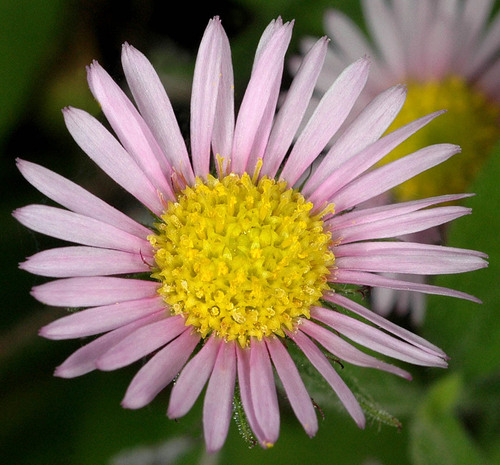
Pennsylvania, US
Puedes ver Fleabanes and Horseweeds, Honey Locust y Mariposa Almirante.
Ver guía →
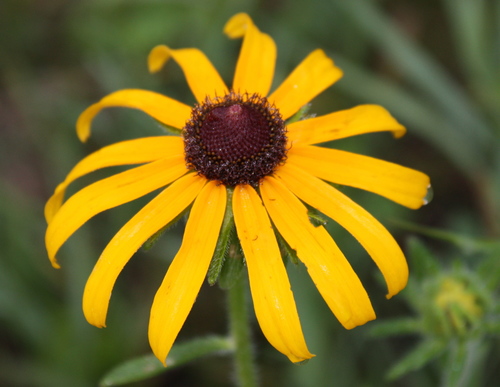
Virginia, US
Puedes ver Rudbeckia, Picamaderos Norteamericano y Monarch.
Ver guía →
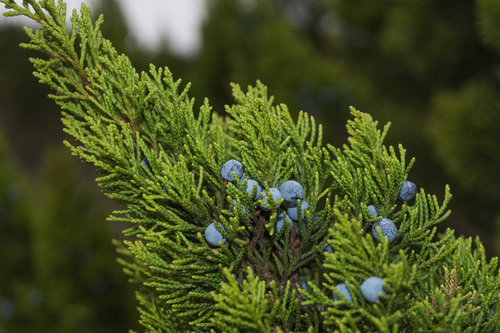
Texas, US
Puedes ver Ashe Juniper, Texas Bluebonnet y Texas Live Oak.
Ver guía →
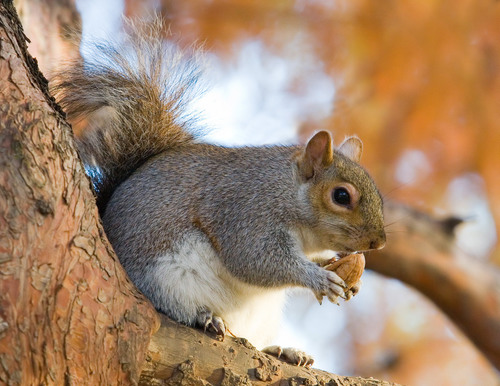
Florida, US
Puedes ver Ardilla Gris Oriental, Southern Live Oak y Fir Tussock Moth.
Ver guía →

Mississippi, US
Puedes ver Prairie Nymph, Slender Vervain y Whitemouth Dayflower.
Ver guía →
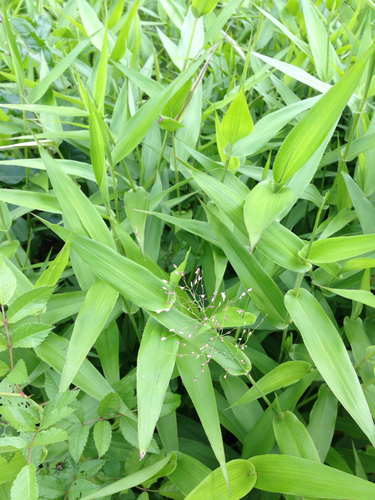
Virginia, US
Puedes ver Deertongue, Cabbages and Mustards y Magnolia Común.
Ver guía →




_Sweden.jpg&width=800)

.jpg&width=800)


.jpg&width=800)




