





Mata mata
Chelus fimbriatus
¡La mata mata es una tortuga única que parece un trozo de madera o una hoja! Tiene un caparazón plano y ancho y una cara graciosa, lo que la convierte en una de las tortugas más interesantes del mundo.
Hábitat: Humedales
La Mata mata tiene una cabeza increíblemente plana y triangular con un distintivo hocico parecido a un snorkel y una boca ancha similar a la de una rana. Su caparazón irregular y rugoso, y sus aletas de piel rugosas y foliares proporcionan un camuflaje excepcional, haciéndola parecer un montón de hojas en descomposición en el lecho del río.
Categoría
ReptilesRareza
Rare
Peligro
1/5 · Muy bajo
Snaps
¡Sé la primera persona en hacer un snap!
Su cabeza súper plana y parecida a una hoja la hace perfectamente invisible entre los detritos del río.
Las Mata matas huelen a sus presas al detectar pequeñas sustancias químicas en el agua.
Nunca persiguen comida, sino que esperan pacientemente durante horas para emboscar a peces desafortunados.
Esta tortuga no puede meter completamente la cabeza dentro de su caparazón para protegerse.
La Mata mata tiene una piel áspera, parecida a una hoja, y un caparazón con protuberancias que le ayudan a camuflarse perfectamente entre los detritos del lecho del río.
La Mata mata puede abrir repentinamente su boca ancha, creando un poderoso vacío que succiona instantáneamente a peces y presas desprevenidos.
La Mata mata tiene un hocico en forma de tubo que funciona como un snorkel, permitiéndole respirar aire mientras permanece completamente oculta bajo el agua.
¡Esta tortuga sigilosa espera perfectamente quieta para emboscar pequeños peces y anfibios con un rápido trago!
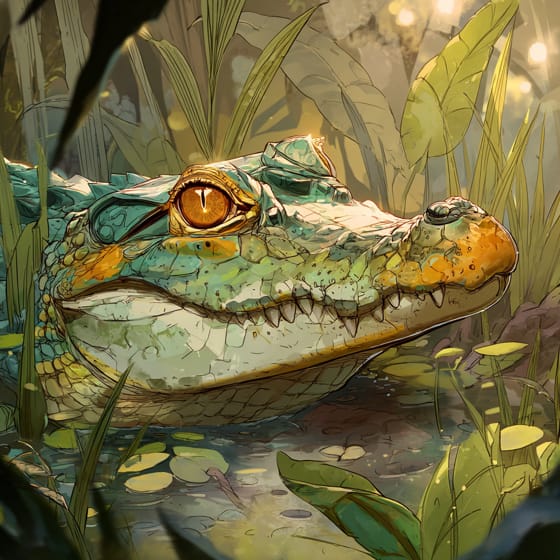
Caiman crocodilus
Las Mata matas juveniles pueden ser presa de los caimanes.
Eunectes murinus
Las anacondas grandes pueden depredar Mata matas adultas.
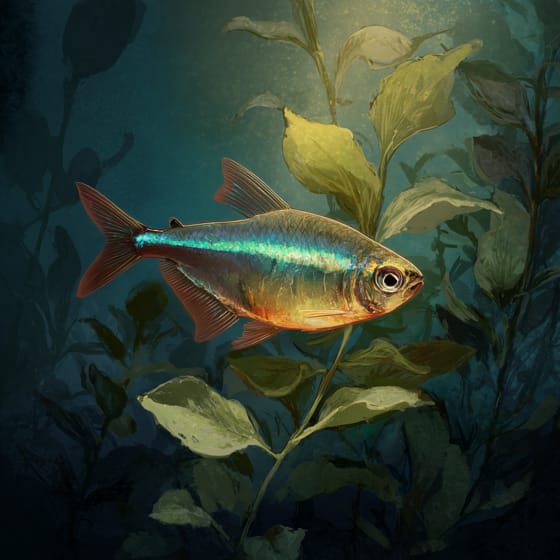
Hyphessobrycon herbertaxelrodi
Una de las muchas especies de peces pequeños cazadas por la tortuga.
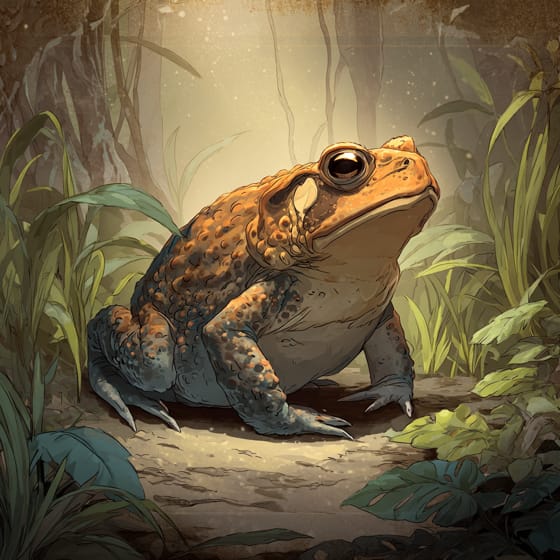
Rhinella marina
Las Mata matas emboscan renacuajos de varias especies de anfibios.
Los animales solitarios viven solos durante la mayor parte de su vida y solo interactúan con otros para aparearse o cuidar de sus crías.
El camuflaje describe a los organismos que poseen colores o patrones que les permiten mezclarse con su entorno.
Los organismos piscívoros son animales que subsisten principalmente de una dieta a base de peces.
Un depredador de emboscada caza esperando pacientemente y ocultándose, para luego lanzar un ataque repentino cuando una presa desprevenida se pone a su alcance.

Este rasgo de hábitat identifica especies que se encuentran en humedales, que son áreas de tierra saturadas de agua, ya sea permanente o estacionalmente, e incluyen marismas, pantanos y ciénagas.

Este rasgo identifica a los organismos cuya dieta consiste total o principalmente en tejido animal.

Los hábitats acuáticos abarcan entornos donde los organismos viven principalmente en el agua, incluidos océanos, ríos, lagos y humedales.

El estado de peligro de extinción indica que una especie corre un riesgo muy alto de extinguirse en estado silvestre en un futuro próximo.
Peligro
1/5 · Muy bajo
Siempre observen a las tortugas desde la distancia y nunca intenten tocarlas en la naturaleza.
La forma más fácil de identificar a Mata mata es usar la aplicación de identificación de naturaleza Snappit.
30-50 cm
1-5 kg
15-30 años
0.2 km/h
¡Esta tortuga sigilosa espera perfectamente quieta para emboscar pequeños peces y anfibios con un rápido trago!
0.5 km/h
Humedales
Acércate para separar los grupos y explorar dónde se ha fotografiado este objeto.
Los snaps recientes aparecerán aquí a medida que se añadan nuevas observaciones.
Llévate el descubrimiento
Haz una foto con Snappit, identifica la especie y guarda el hallazgo en tu colección.
















