Mexican Long-nosed Armadillo
Dasypus mexicanus
The Mexican Long-nosed Armadillo is a small, armored animal with a long nose. It loves to dig in the ground to find tasty insects and worms to eat!
Hábitat: Grasslands
The Mexican Long-nosed Armadillo has a distinctive long, pointed snout and a brownish-grey body covered by a flexible, bony armor. Its midsection features nine movable bands, with a sparsely haired belly. Long claws on its forefeet are also a key visual trait.
Categoría
MamíferosRareza
Common
Peligro
2/5 · Bajo
Snaps
¡Sé la primera persona en hacer un snap!
Armadillos are the only mammals with bony armor on their bodies!
They almost always give birth to four identical baby armadillos!
This armadillo can walk underwater across riverbeds by holding its breath!
When scared, they can jump straight up a few feet into the air!
Mexican Long-nosed Armadillo has a tough, bony shell that helps them protect against predators and thorny bushes.
Mexican Long-nosed Armadillo can detect food underground because of its incredible sense of smell and long nose.
This insect-eating armadillo uses its long nose to sniff out bugs, grubs, and other tasty treats!
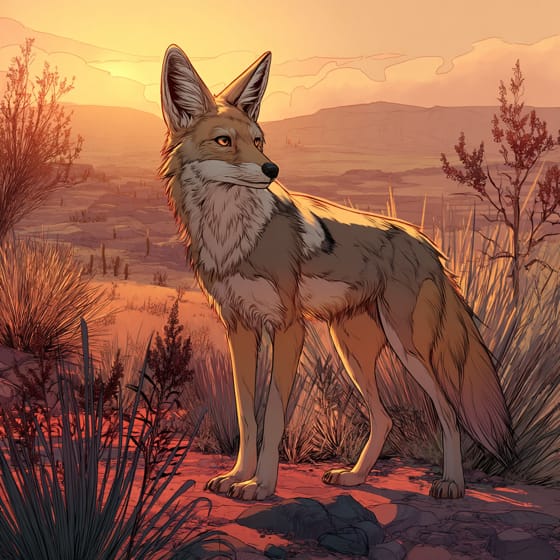
Canis latrans
Armadillos can be prey, especially young ones.
Lynx rufus
Prey for larger predators in its natural habitat.
Formica fusca
A primary food source, dug from colonies.
Lumbricus terrestris
An essential part of its subterranean diet.
Los animales solitarios viven solos durante la mayor parte de su vida y solo interactúan con otros para aparearse o cuidar de sus crías.
Los animales excavadores cavan túneles y cámaras en el suelo y utilizan estas estructuras subterráneas para refugiarse, cazar o reproducirse.
Este rasgo identifica a los organismos cuya dieta consiste principalmente en insectos y otros pequeños invertebrados.
Los hábitats de pastizales son biomas terrestres dominados por pastos y plantas herbáceas, que sustentan a una variedad de animales de pastoreo.

Acorazado describe a los animales protegidos por una cubierta externa dura o caparazón para defenderse.

Este rasgo identifica a los organismos que exhiben una rapidez excepcional en sus movimientos para cazar, escapar o desplazarse.

Los animales nocturnos están principalmente activos durante la noche, y suelen descansar o dormir durante el día.

El estado de peligro de extinción indica que una especie corre un riesgo muy alto de extinguirse en estado silvestre en un futuro próximo.
Todavía no hay alias listados.
Peligro
2/5 · Bajo
If you see an armadillo, watch it from a distance and don't try to touch it.
60-100 cm
3-7 kg
10-15 años
48 km/h
This insect-eating armadillo uses its long nose to sniff out bugs, grubs, and other tasty treats!
Grasslands
Foraging
4
Acércate para separar los grupos y explorar dónde se ha fotografiado este objeto.
Los snaps recientes aparecerán aquí a medida que se añadan nuevas observaciones.

Tennessee, US
Puedes ver American Coot, Crane-Fly Orchid y Pied-Billed Grebe.
Ver guía →
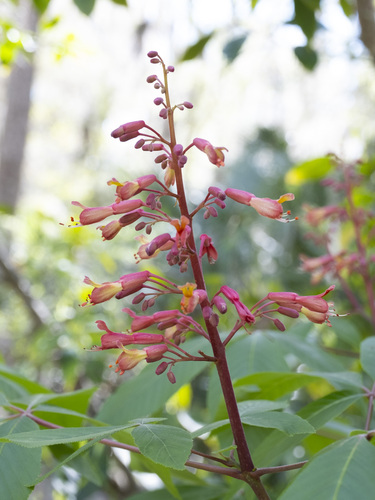
Texas, US
Puedes ver Red Buckeye, American Beautyberry y Pond Slider.
Ver guía →
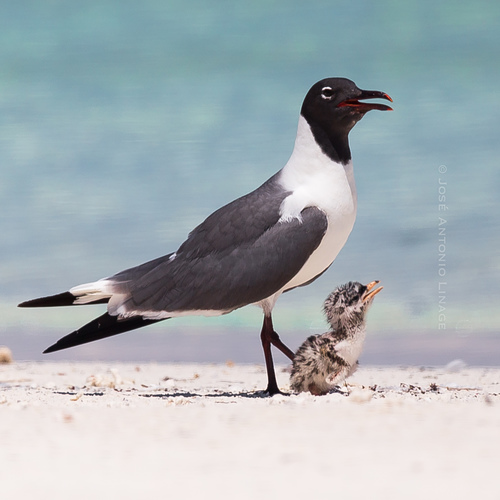
Florida, US
Puedes ver Laughing Gull, Saw Palmetto y Garza Azulada.
Ver guía →
.jpg)
Texas, US
Puedes ver Ciervo De Cola Blanca, Agarita y Mapache.
Ver guía →

Mississippi, US
Puedes ver Prairie Nymph, Slender Vervain y Whitemouth Dayflower.
Ver guía →
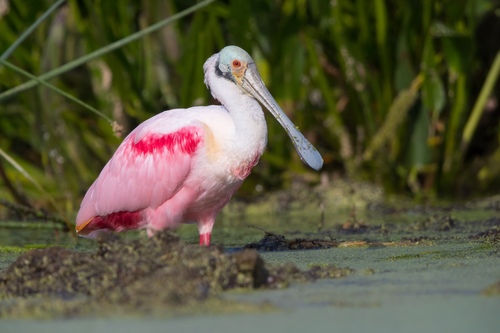
Florida, US
Puedes ver Roseate Spoonbill, Tricolored Heron y Great Egret.
Ver guía →