






Yellow-pine Chipmunk
Neotamias amoenus
The Yellow-pine Chipmunk is a small, striped animal that loves to scurry around in the forest. They are very playful and often gather food to store for winter!
Hábitat: Forests
The Yellow-pine Chipmunk has a reddish-brown back with five dark stripes, separated by lighter buffy stripes, running down its body. It features distinct facial stripes and a whitish belly, making it visually stand out from plain-colored rodents.
Categoría
MamíferosRareza
Common
Peligro
1/5 · Muy bajo
Snaps
¡Sé la primera persona en hacer un snap!
Chipmunks make a sharp 'chip-chip' call to warn others of danger nearby.
Their camouflaged stripes help them blend perfectly into rocky and woody backgrounds.
They can gather hundreds of seeds in just one day to prepare for winter!
When it gets cold, chipmunks enter a deep sleep called torpor to save energy.
Yellow-pine Chipmunk has stretchy cheek pouches that help them carry huge amounts of seeds back to their burrow.
Yellow-pine Chipmunk can scale trees and rocky surfaces swiftly, using sharp claws and quick balance for escapes.
Yellow-pine Chipmunk can dig complex burrows with multiple entrances for safety, food storage, and raising young.
They munch on seeds, nuts, fruits, and even tiny insects found in their forest home.
Accipiter gentilis
Chipmunks are a food source for these forest raptors.
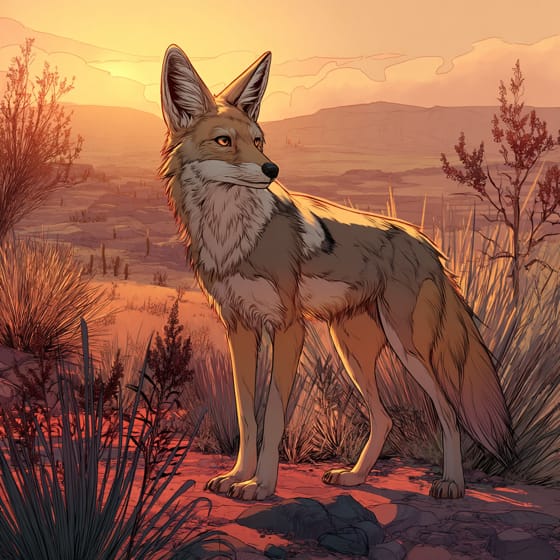
Canis latrans
Chipmunks are a small prey item for coyotes in their range.
Pinus ponderosa
Chipmunks eat the seeds and may help disperse them.

Mustela frenata
Weasels hunt chipmunks in their burrows and above ground.
Peludo describe a los animales que poseen una cubierta densa de pelo o pelaje suave.
Marcado con bandas paralelas o líneas de color.
Los animales sociales viven en grupos organizados, cooperando para obtener beneficios de supervivencia como la búsqueda de alimento, la defensa y la cría de descendencia.
Este rasgo caracteriza a los organismos cuya dieta consiste total o principalmente en material vegetal.

Los hábitats boscosos son entornos terrestres dominados por una densa cubierta arbórea, que sustentan una gran diversidad de vida animal y vegetal.

Los animales diurnos están activos principalmente durante el día y suelen descansar o dormir por la noche.

Este rasgo identifica a los organismos que exhiben una rapidez excepcional en sus movimientos para cazar, escapar o desplazarse.
Todavía no hay alias listados.
Peligro
1/5 · Muy bajo
Watch chipmunks from a distance and don't try to catch them; they are wild animals.
10-14 cm
0.03-0.07 kg
2-3 años
15 km/h
They munch on seeds, nuts, fruits, and even tiny insects found in their forest home.
Forests
Foraging
4-6
Acércate para separar los grupos y explorar dónde se ha fotografiado este objeto.
Los snaps recientes aparecerán aquí a medida que se añadan nuevas observaciones.

Washington, US
Puedes ver Barnacla Canadiense, Pato y American Coot.
Ver guía →

Washington, US
Puedes ver Lagartija Espinosa Del Oeste y Ciervo Mulo.
Ver guía →
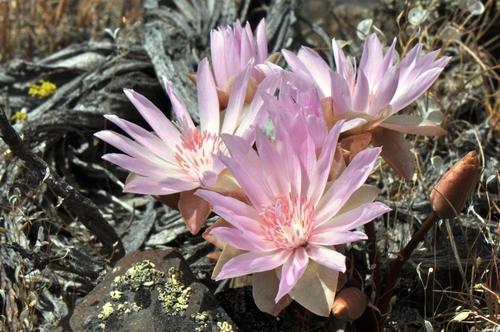
British Columbia, CA
Puedes ver Bitterroot, Arrowleaf Balsamroot y Western Stoneseed.
Ver guía →
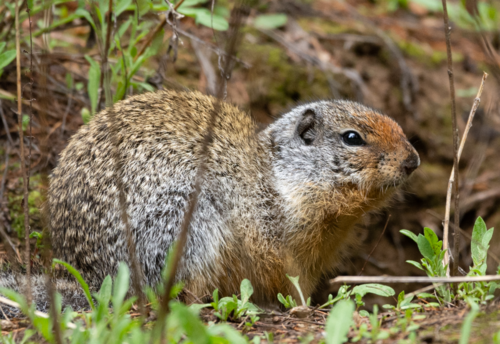
British Columbia, CA
Puedes ver Columbian Ground Squirrel y Spotted Knapweed.
Ver guía →
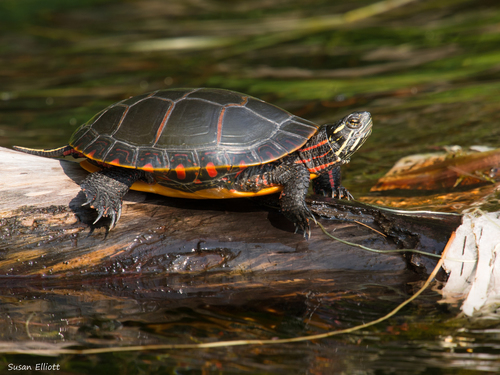
British Columbia, CA
Puedes ver Tortuga Pintada, Antelope Bitterbrush y Western Tiger Beetle.
Ver guía →

British Columbia, CA
Puedes ver Canada Jay, Pink Mountainheath y Yellow-Pine Chipmunk.
Ver guía →











.jpg&width=800)

