






Mining Bees
Andrena
Mining bees are small, fuzzy insects that love to dig in the ground. They are great pollinators and help flowers grow by spreading pollen.
Hábitat: Urban areas
The Mining Bees are fuzzy, medium-sized bees often colored black, brown, or reddish, sometimes with pale striped abdomens. They have noticeable pollen-collecting hairs (scopae) on their hind legs or underside, distinguishing them from wasps. Their bodies are typically stout, making them look stockier than honey bees.
Categoría
InsectosRareza
Common
Peligro
1/5 · Muy bajo
Snaps
¡Sé la primera persona en hacer un snap!
Each female mining bee is a superhero single mom, building an entire nest all by herself.
Mining bees are incredible pollinators for many plants, even though they don't make honey.
Mining bees dig intricate tunnels underground, sometimes creating 'bee cities' in your lawn!
They are among the first bees to buzz around in spring, sometimes when it's still chilly!
Mining Bees can excavate complex burrows in the soil because of strong jaws and specialized legs that help them create nests.
Mining Bees have dense, branched hairs (scopae) that helps them collect and transport large amounts of pollen for their young.
Mining Bees are solitary and each female builds her own individual nest, because they don't live in a large colony.
Mining Bees can emerge very early in spring, because they are well-adapted to cooler temperatures, helping to pollinate early blooms.
Mining bees sip nectar for energy and gather pollen to feed their growing babies.
Malus domestica
Helps apple trees produce fruit in spring.
Salix caprea
Crucial early spring pollinator for willows.
Nomada goodeniana
Lays eggs in mining bee nests, stealing food.

Vespa crabro
Hornets may prey on adult mining bees.
Peludo describe a los animales que poseen una cubierta densa de pelo o pelaje suave.
Los animales solitarios viven solos durante la mayor parte de su vida y solo interactúan con otros para aparearse o cuidar de sus crías.
Este rasgo caracteriza a los organismos cuya dieta consiste total o principalmente en material vegetal.
Describe plantas que son particularmente atractivas y beneficiosas para una amplia variedad de organismos polinizadores.

Los animales diurnos están activos principalmente durante el día y suelen descansar o dormir por la noche.

Describe una especie cuya presencia y papel tienen un efecto desproporcionadamente grande en su entorno.

Esta característica de hábitat indica especies que pueden coexistir con los humanos en entornos urbanos y suburbanos, utilizando estructuras artificiales y espacios verdes.

Describe organismos que transfieren polen, permitiendo la fertilización y reproducción de las plantas.
Todavía no hay alias listados.
Peligro
1/5 · Muy bajo
Mining bees are usually safe, but it's best to watch them from a distance.
15-30 mm
8-17 mm
20-40 días
12 km/h
Mining bees sip nectar for energy and gather pollen to feed their growing babies.
Urban areas
Foraging
6
Acércate para separar los grupos y explorar dónde se ha fotografiado este objeto.
Los snaps recientes aparecerán aquí a medida que se añadan nuevas observaciones.

British Columbia, CA
Puedes ver Abeto De Douglas, Oregon Oak y Purple Foxglove.
Ver guía →

Grand Est, FR
Puedes ver Lavandera Blanca, Gorrión Común y Ratón Casero.
Ver guía →

British Columbia, CA
Puedes ver Common Bracken, Vanilla Leaf y Western Sword Fern.
Ver guía →
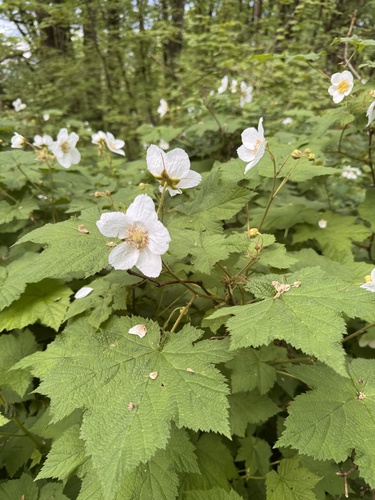
British Columbia, CA
Puedes ver Thimbleberry, Western Redcedar y Red Osier Dogwood.
Ver guía →

British Columbia, CA
Puedes ver Western Toad, Nettles y Lady Fern.
Ver guía →







_Virginia_1.jpg&width=800)







