.jpg&width=800)





mock strawberry
Potentilla indica
Mock strawberries are small plants that look like real strawberries but are not edible. They have bright green leaves and pretty yellow flowers that turn into tiny red fruits.
Hábitat: Urban areas
The mock strawberry is a low-growing plant with trifoliate leaves, resembling true strawberries. It has distinctive small, solitary yellow flowers and produces round, bright red fruits with visible seeds on their surface.
Categoría
PlantasRareza
Common
Peligro
1/5 · Muy bajo
Snaps
¡Sé la primera persona en hacer un snap!
Its scientific name, *Potentilla indica*, means 'from India,' where it originally came from!
Look closely! Unlike true strawberries with white flowers, this plant boasts tiny yellow blossoms!
Real strawberries hide their seeds inside; mock strawberries wear them on the outside!
Though perfectly safe to eat, its red fruits are quite bland and don't taste much like berries!
Mock strawberry can grow long runners, or stolons, that spread out and root, helping it quickly cover ground.
It has bright red fruits that attract birds and small animals, which then help disperse its tiny seeds.
In milder climates, its leaves stay green all year, allowing it to keep making food even in winter.
Apis mellifera
Collects nectar and pollen from flowers.
Turdus migratorius
Feeds on the small red fruits.
.JPG&width=800)
Sylvilagus floridanus
Browses on its leaves and stems.
Las plantas caducifolias pierden periódicamente todas sus hojas, por lo general durante el otoño o las estaciones secas.
Las plantas con flores son cualquier planta que produce flores como parte de su ciclo reproductivo.
Las plantas frutales producen frutos, que son los ovarios maduros de las plantas con flores que contienen semillas.
Las plantas de crecimiento rápido exhiben tasas de crecimiento aceleradas, aumentando rápidamente de tamaño y biomasa en un corto período de tiempo.

Describe plantas que son particularmente atractivas y beneficiosas para una amplia variedad de organismos polinizadores.

Esta característica de hábitat indica especies que pueden coexistir con los humanos en entornos urbanos y suburbanos, utilizando estructuras artificiales y espacios verdes.

Las especies invasoras son organismos no nativos que causan daños al medio ambiente, la economía o la salud humana.
Todavía no hay alias listados.
Peligro
1/5 · Muy bajo
Don't eat the fruit, as it's not safe like real strawberries.
5-15 cm
30-100 cm
1-2 cm
Spring to fall
Sí
Ninguna
Perenne
Insectos
Acércate para separar los grupos y explorar dónde se ha fotografiado este objeto.
Los snaps recientes aparecerán aquí a medida que se añadan nuevas observaciones.
.jpg)
Maryland, US
Puedes ver Ciervo De Cola Blanca, Japanese Knotweed y Mariquita Asiática.
Ver guía →
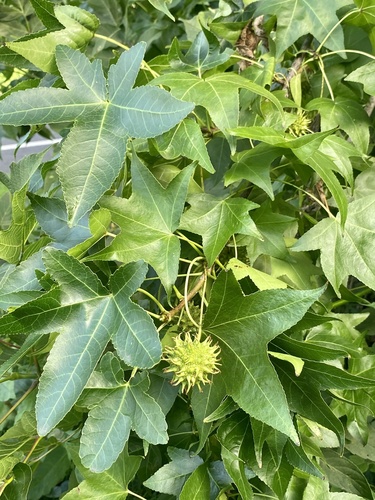
District of Columbia, US
Puedes ver Liquidámbar Americano, Amur Honeysuckle y Virginia Creeper.
Ver guía →
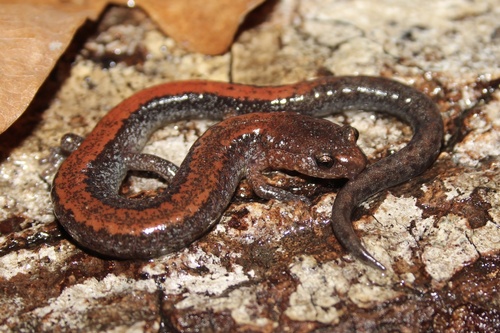
Virginia, US
Puedes ver Eastern Red-Backed Salamander y Tritón Oriental.
Ver guía →
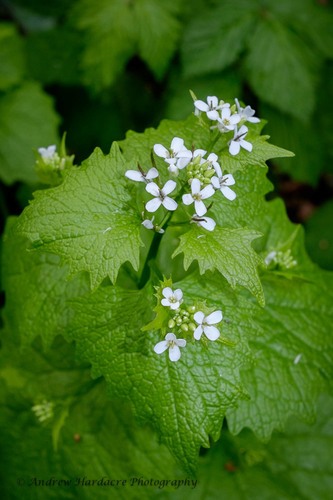
Virginia, US
Puedes ver Garlic Mustard, Violetas y Wineberry.
Ver guía →
Oregon, US
Puedes ver Pato, Twinberry Honeysuckle y Barnacla Canadiense.
Ver guía →








.jpg&width=800)