






Mountain Chickadee
Poecile gambeli
The Mountain Chickadee is a small, cheerful bird with a black cap and white cheeks. They love to flit around trees and are known for their sweet, whistling calls that sound like 'chick-a-dee-dee-dee'.
Hábitat: Mountain regions
The Mountain Chickadee has a distinctive black cap and bib, contrasted by a prominent white eyebrow stripe. Its back and wings are grey, while its underside is mostly white with buffy flanks. This small, agile bird stands out with its bold head markings.
Categoría
AvesRareza
Common
Peligro
1/5 · Muy bajo
Snaps
¡Sé la primera persona en hacer un snap!
Mountain Chickadees can lower their body temperature at night to save precious energy.
Their 'chick-a-dee-dee-dee' call changes meaning based on the number of 'dees'.
They excavate their own nest cavities in rotten wood or natural tree holes!
They often join mixed-species bird flocks in winter for safety and easier foraging.
Mountain Chickadee can puff up its feathers to trap insulating air, helping them stay warm in freezing mountain temperatures.
Mountain Chickadee has strong, agile feet that help it hang upside down to find hidden insects and seeds on branches.
Mountain Chickadee has an amazing memory that helps it recall where it has hidden thousands of seeds for winter meals.
A tiny bird that loves munching on insects and spiders, but also enjoys tasty seeds and berries!

Accipiter striatus
Hunted by this agile, speedy forest hawk.

Glaucidium gnoma
A small owl that preys on chickadees.
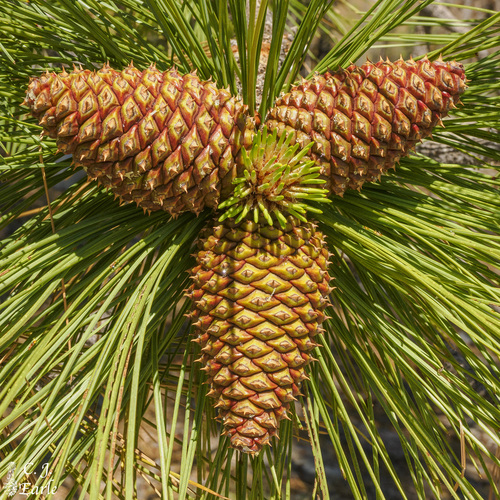
Pinus ponderosa
Relies on its seeds and tree cavities for nesting.
Choristoneura occidentalis
Consumes larvae of this common forest insect.
Describe a los animales, principalmente aves, que poseen una cubierta de plumas.
Los animales sociales viven en grupos organizados, cooperando para obtener beneficios de supervivencia como la búsqueda de alimento, la defensa y la cría de descendencia.
Los animales cantores producen vocalizaciones complejas, a menudo con el propósito de atraer parejas, defender el territorio o comunicarse dentro de su especie.
Los animales arborícolas viven principalmente en los árboles, utilizándolos como refugio, alimento y protección contra los depredadores.

Este rasgo identifica a los organismos cuya dieta consiste principalmente en insectos y otros pequeños invertebrados.

Este rasgo de hábitat identifica a las especies que se encuentran en regiones montañosas, caracterizadas por su gran altitud, pendientes pronunciadas y zonas climáticas variables.

Los animales diurnos están activos principalmente durante el día y suelen descansar o dormir por la noche.
Todavía no hay alias listados.
Peligro
1/5 · Muy bajo
Enjoy watching birds from a distance, and don't try to touch them.
13-15 cm
19-22 cm
0.01-0.014 kg
2-6 años
48 km/h
A tiny bird that loves munching on insects and spiders, but also enjoys tasty seeds and berries!
Mountain regions
Foraging
Acércate para separar los grupos y explorar dónde se ha fotografiado este objeto.
Los snaps recientes aparecerán aquí a medida que se añadan nuevas observaciones.

Utah, US
Puedes ver Great Basin Bristlecone Pine, Blue Columbine y Monument Plant.
Ver guía →

British Columbia, CA
Puedes ver Common Golden-Mantled Ground Squirrel y Giant Red Paintbrush.
Ver guía →
California, US
Puedes ver Jeffrey Pine y Pandora Pinemoth.
Ver guía →

British Columbia, CA
Puedes ver White Pasqueflower, Hoary Marmot y Columbian Ground Squirrel.
Ver guía →




.jpg&width=800)







