.jpg&width=800)





Mountain Cottontail
Sylvilagus nuttallii
The Mountain Cottontail is a small, fluffy rabbit that loves to hop around in the wild. With its big ears and soft fur, it's a delightful sight in the mountains and meadows.
Hábitat: Mountain regions
The Mountain Cottontail has grizzled grayish-brown fur on its back and sides, blending to a bright white belly. Its most distinctive feature is its fluffy white tail, visible when it runs, and it possesses relatively shorter ears compared to many other rabbit species.
Categoría
MamíferosRareza
Common
Peligro
1/5 · Muy bajo
Snaps
¡Sé la primera persona en hacer un snap!
A cottontail can communicate danger by thumping its powerful hind feet loudly on the ground.
Baby cottontails are born blind and helpless, relying completely on their mother for weeks!
Mountain Cottontails sometimes eat their own soft droppings to get extra nutrients from plants.
These rabbits often use abandoned burrows of marmots or badgers instead of digging their own.
Mountain Cottontail has a grayish-brown fur coat that helps them blend perfectly into rocky, scrubby habitats, making them hard to spot.
Mountain Cottontail can run in an unpredictable zig-zag pattern because of its strong hind legs, helping it evade predators quickly.
Mountain Cottontail can find food and detect danger because of its excellent sense of smell, vital for its survival in the wild.
Mountain Cottontail has large ears that can rotate, helping them pinpoint the exact location of quiet sounds, like a predator approaching.
These plant-eaters munch on many types of vegetation found in their mountain homes.
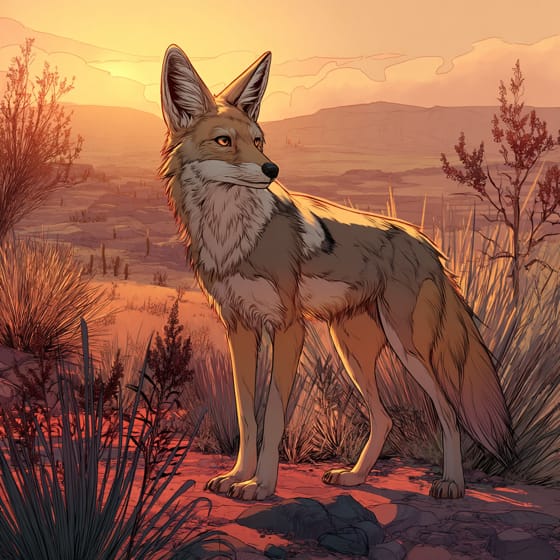
Canis latrans
A common predator in its range.
Lynx rufus
Preys on rabbits and small mammals.
Aquila chrysaetos
Hunts from the sky, a swift threat.
Buteo jamaicensis
Another aerial predator, common in habitat.

Artemisia tridentata
A key food source, especially in winter.
Peludo describe a los animales que poseen una cubierta densa de pelo o pelaje suave.
Los animales sociales viven en grupos organizados, cooperando para obtener beneficios de supervivencia como la búsqueda de alimento, la defensa y la cría de descendencia.
El camuflaje describe a los organismos que poseen colores o patrones que les permiten mezclarse con su entorno.
Este rasgo caracteriza a los organismos cuya dieta consiste total o principalmente en material vegetal.

Este rasgo de hábitat identifica a las especies que se encuentran en regiones montañosas, caracterizadas por su gran altitud, pendientes pronunciadas y zonas climáticas variables.

Los animales diurnos están activos principalmente durante el día y suelen descansar o dormir por la noche.

Este rasgo identifica a los organismos que exhiben una rapidez excepcional en sus movimientos para cazar, escapar o desplazarse.
Todavía no hay alias listados.
Peligro
1/5 · Muy bajo
If you see a rabbit, watch quietly from a distance so you don't scare it.
35-39 cm
0.7-1.2 kg
1-5 años
35 km/h
These plant-eaters munch on many types of vegetation found in their mountain homes.
Mountain regions
Foraging
3-8
Acércate para separar los grupos y explorar dónde se ha fotografiado este objeto.
Los snaps recientes aparecerán aquí a medida que se añadan nuevas observaciones.