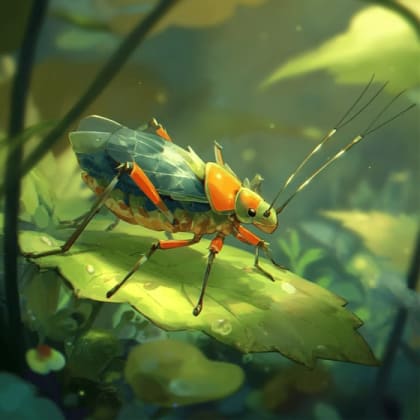
Muddy Stink Bug
Banasa sordida
The Muddy Stink Bug is a little insect that loves to hang out in gardens and fields. It has a special smell that helps keep it safe from predators. They can be brown and green, blending in with their surroundings!
Hábitat: Urban areas, Gardens
The Muddy Stink Bug is a small, shield-shaped insect typically dull brown or grey, often speckled to resemble dried mud or bark. Its flattened, broad body helps it blend seamlessly into its environment, making it hard to spot among foliage.
Categoría
InsectosRareza
Common
Peligro
1/5 · Muy bajo
Snaps
¡Sé la primera persona en hacer un snap!
Female stink bugs carefully guard their precious egg clusters, protecting them until they hatch!
Muddy Stink Bugs use their antennae to 'smell' and find delicious plants to eat!
Their unique "stink" comes from special glands near their legs that spray defense chemicals!
They can survive winter by hiding in sheltered spots, waiting for spring's warmth!
Muddy Stink Bug can release a foul-smelling liquid because of glands near its legs, helping them deter predators.
Muddy Stink Bug has mottled brown and grey colors that help them perfectly blend into tree bark or dead leaves.
Muddy Stink Bug can sip plant juices using its straw-like mouthpart, which helps them feed on fruits and seeds.
Muddy Stink Bug has strong wings that help them quickly fly away to escape danger or find new food sources.
These bugs sip plant juices from fruits, seeds, and stems using their straw-like mouthparts.
Sialia sialis
A common bird that preys on many insects.
Podisus maculiventris
A predatory insect known to hunt other bugs.
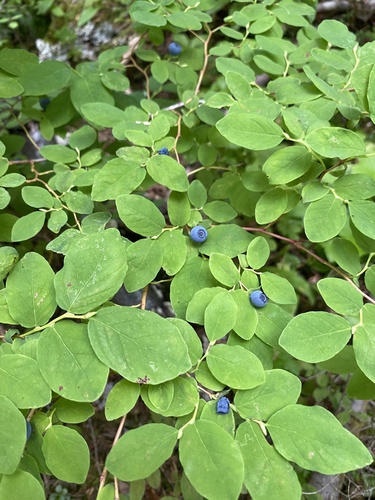
Vaccinium corymbosum
Feeds on the ripening fruits, sometimes causing damage.
Malus domestica
Sips juices from apples, leaving small sunken spots.
Los animales solitarios viven solos durante la mayor parte de su vida y solo interactúan con otros para aparearse o cuidar de sus crías.
El camuflaje describe a los organismos que poseen colores o patrones que les permiten mezclarse con su entorno.
Este rasgo caracteriza a los organismos cuya dieta consiste total o principalmente en material vegetal.
Describe plantas que son particularmente atractivas y beneficiosas para una amplia variedad de organismos polinizadores.

Los hábitats de pastizales son biomas terrestres dominados por pastos y plantas herbáceas, que sustentan a una variedad de animales de pastoreo.

Describe a los organismos que descomponen la materia orgánica muerta, reciclando los nutrientes de vuelta al ecosistema.

Los animales diurnos están activos principalmente durante el día y suelen descansar o dormir por la noche.

Esta característica de hábitat indica especies que pueden coexistir con los humanos en entornos urbanos y suburbanos, utilizando estructuras artificiales y espacios verdes.

Describe organismos que transfieren polen, permitiendo la fertilización y reproducción de las plantas.
Todavía no hay alias listados.
Peligro
1/5 · Muy bajo
Don't touch insects without asking an adult, as some can be smelly or might bite.
25-40 mm
10-18 mm
90-180 días
5 km/h
These bugs sip plant juices from fruits, seeds, and stems using their straw-like mouthparts.
Urban areas, Gardens
Foraging
6
Acércate para separar los grupos y explorar dónde se ha fotografiado este objeto.
Los snaps recientes aparecerán aquí a medida que se añadan nuevas observaciones.




.jpg&width=800)




.jpg&width=800)