






Narrow-collared Snail-eating Beetle
Scaphinotus angusticollis
The Narrow-collared Snail-eating Beetle is a small bug that loves to munch on snails! It has a long, narrow neck and shiny black body, making it look quite special in the garden.
Hábitat: Forests
The Narrow-collared Snail-eating Beetle has a sleek, often metallic dark blue or black body, distinguished by its notably slender 'neck' (prothorax) connecting to a wider head and abdomen. Its wing covers are typically ridged or grooved, giving it a textured appearance.
Categoría
InsectosRareza
Common
Peligro
1/5 · Muy bajo
Snaps
¡Sé la primera persona en hacer un snap!
Even though it has wing covers, this beetle cannot fly at all!
Some species can live for several years, which is long for a beetle!
They are like tiny gardeners, helping to control snail populations naturally!
This beetle got its name because its neck is much thinner than its head!
Narrow-collared Snail-eating Beetle can fit its narrow head into snail shells because of its unique body shape, allowing it to reach its prey.
Narrow-collared Snail-eating Beetle has glands that spray foul-smelling chemicals that help them deter curious predators.
Narrow-collared Snail-eating Beetle can hunt in low light because of its sensitive antennae and keen senses that help them find prey.
These beetles are expert hunters, feasting mainly on snails and slugs found in damp places.
Haplotrema concavum
Preys on this common terrestrial snail.
Turdus migratorius
An occasional meal for ground-foraging birds.

Cornu aspersum
Helps control populations of invasive garden snails.
Los animales solitarios viven solos durante la mayor parte de su vida y solo interactúan con otros para aparearse o cuidar de sus crías.
El camuflaje describe a los organismos que poseen colores o patrones que les permiten mezclarse con su entorno.
Los hábitats boscosos son entornos terrestres dominados por una densa cubierta arbórea, que sustentan una gran diversidad de vida animal y vegetal.
Un depredador de emboscada caza esperando pacientemente y ocultándose, para luego lanzar un ataque repentino cuando una presa desprevenida se pone a su alcance.

Este rasgo identifica a los organismos cuya dieta consiste total o principalmente en tejido animal.

Relativo a especies que son significativamente más pequeñas que lo típico o promedio de su tipo.
Todavía no hay alias listados.
Peligro
1/5 · Muy bajo
Be careful not to touch bugs you find, as some can bite or sting.
15-20 mm
730-1095 días
These beetles are expert hunters, feasting mainly on snails and slugs found in damp places.
Forests
Pursuit
6
Acércate para separar los grupos y explorar dónde se ha fotografiado este objeto.
Los snaps recientes aparecerán aquí a medida que se añadan nuevas observaciones.

British Columbia, CA
Puedes ver Broad-Leaved Stonecrop, Salal y Pacific Sanicle.
Ver guía →

Washington, US
Puedes ver Tsuga Del Pacífico, Pato y Western Sword Fern.
Ver guía →

British Columbia, CA
Puedes ver Pacific Sanicle, Ivy y Pacific Madrone.
Ver guía →

British Columbia, CA
Puedes ver Babosa Banana, Arctic Butterbur y Coastal Brookfoam.
Ver guía →

British Columbia, CA
Puedes ver Broad-Leaved Stonecrop, Western Skunk Cabbage y Salal.
Ver guía →
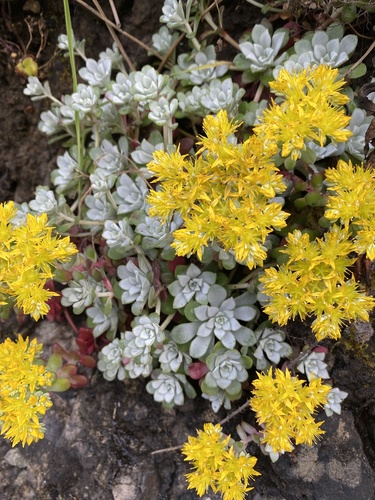
British Columbia, CA
Puedes ver Broad-Leaved Stonecrop y Littleleaf Silverback.
Ver guía →








.jpg&width=800)

_-_Flickr_-_S._Rae.jpg&width=800)

_Syn.-_Trypocopris_vernalis_(Linn%C3%A9%2C_1758)_(19282920160).png&width=800)

