.jpg&width=800)





Nevada Nomia
Dieunomia nevadensis
The Nevada Nomia is a small, buzzing bee that loves to visit flowers. It helps plants grow by spreading pollen while it collects nectar. These little bees are important for nature!
Hábitat: Desert
The Nevada Nomia is a medium-sized bee with a striking metallic green or blue head and thorax. Its abdomen is distinctly banded with alternating dark and pale yellow stripes. This color pattern makes it visually different from many common brown or black bees.
Categoría
InsectosRareza
Common
Peligro
2/5 · Bajo
Snaps
¡Sé la primera persona en hacer un snap!
A single Nevada Nomia bee can visit hundreds of flowers in just one day to collect food!
Baby Nevada Nomias grow up eating a special ball of pollen and nectar their mom leaves behind!
These bees often nest side-by-side in huge underground cities, sometimes thousands strong!
Unlike honeybees, Nevada Nomias don't make honey, but they are crucial for pollinating crops!
Nevada Nomia can dig intricate tunnels because of its strong legs and mandibles, which helps them create safe underground nests for their young.
Nevada Nomia has special fuzzy hairs that help them gather and transport lots of pollen, which makes them excellent helpers for flowering plants.
Nevada Nomia can thrive in dry, alkaline soils because their larvae are adapted to these unique conditions, helping them nest where other bees cannot.
This bee sips sugary nectar for energy and collects protein-rich pollen to feed its growing young.

Medicago sativa
Crucial for pollinating this important crop plant.
.jpg&width=800)
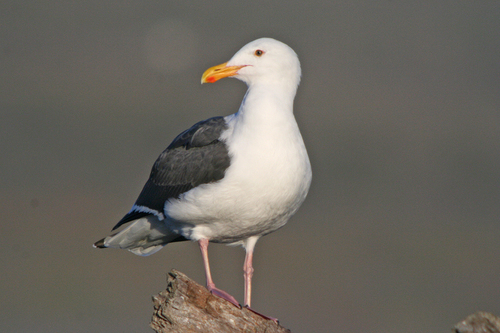
Tyrannus verticalis
An insectivorous bird that preys on various flying insects.
Efferia albibarbis
A predatory fly that ambushes bees for food.
Triepeolus concavus
Lays eggs in Nevada Nomia nests, stealing food for its own young.
Peludo describe a los animales que poseen una cubierta densa de pelo o pelaje suave.
Los animales sociales viven en grupos organizados, cooperando para obtener beneficios de supervivencia como la búsqueda de alimento, la defensa y la cría de descendencia.
Este rasgo caracteriza a los organismos cuya dieta consiste total o principalmente en material vegetal.
Describe plantas que son particularmente atractivas y beneficiosas para una amplia variedad de organismos polinizadores.

Los hábitats desérticos son regiones áridas caracterizadas por precipitaciones extremadamente bajas y, a menudo, temperaturas extremas, que albergan una flora y fauna especializadas.

Los animales diurnos están activos principalmente durante el día y suelen descansar o dormir por la noche.

Describe una especie cuya presencia y papel tienen un efecto desproporcionadamente grande en su entorno.

Relativo a especies que son significativamente más pequeñas que lo típico o promedio de su tipo.

Este rasgo identifica a los organismos que exhiben una rapidez excepcional en sus movimientos para cazar, escapar o desplazarse.

Describe organismos que transfieren polen, permitiendo la fertilización y reproducción de las plantas.
Todavía no hay alias listados.
Peligro
2/5 · Bajo
Be gentle and watch from a distance when you see bees. They are friendly but can sting if scared.
20-30 mm
10-15 mm
20-40 días
20 km/h
This bee sips sugary nectar for energy and collects protein-rich pollen to feed its growing young.
Desert
Foraging
6
Acércate para separar los grupos y explorar dónde se ha fotografiado este objeto.
Los snaps recientes aparecerán aquí a medida que se añadan nuevas observaciones.




.jpg&width=800)