
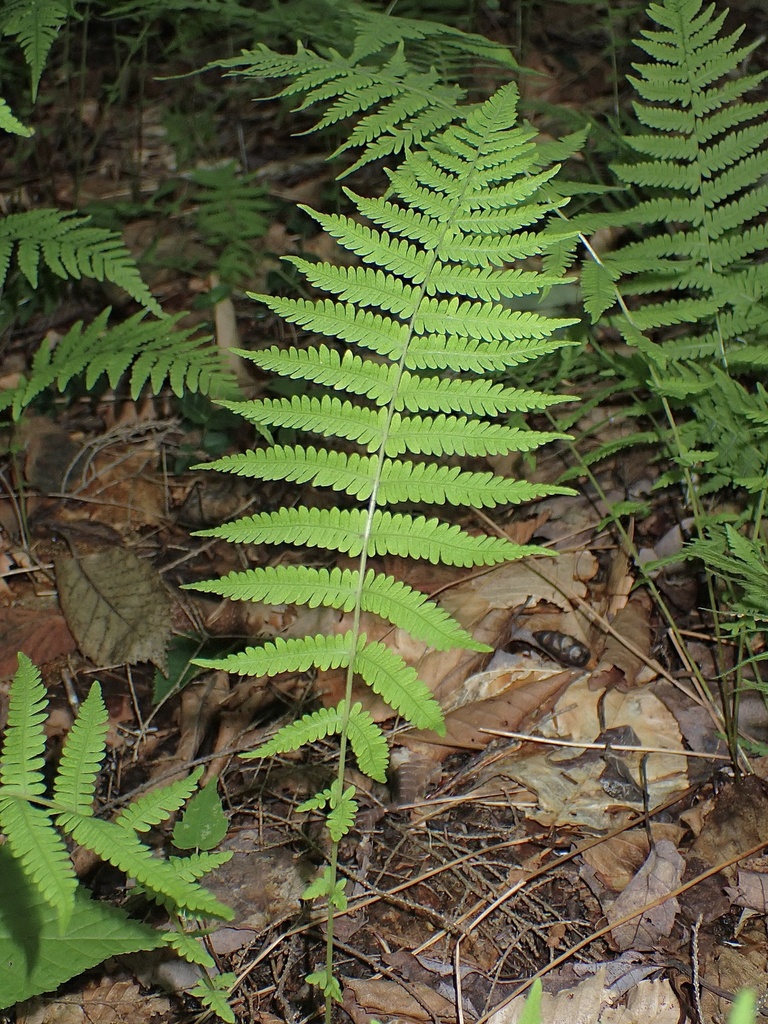





New York fern
Amauropelta noveboracensis
The New York fern is a lovely green plant that grows in shady places. Its delicate leaves are shaped like little fans and can make any forest feel magical!
Hábitat: Forests
The New York fern has delicate, bright to yellowish-green fronds that are distinctly narrow at both the base and tip, giving them a tapered appearance. Each frond is twice-divided, creating a soft, lacy texture, often forming dense, graceful clumps.
Categoría
PlantasRareza
Common
Peligro
1/5 · Muy bajo
Snaps
¡Sé la primera persona en hacer un snap!
Even though it’s called "New York fern," it grows across much of eastern North America.
Fossils show ferns, like this one, were growing on Earth when dinosaurs roamed!
Instead of flowers, ferns reproduce using millions of tiny, dust-like spores released from their fronds.
This fern's fronds often turn a beautiful golden-yellow in autumn before disappearing for winter!
New York fern has tiny spores on its fronds that float away on the wind to grow new ferns, spreading widely without seeds!
New York fern can spread using underground stems called rhizomes, allowing it to pop up in new spots and form colonies.
New York fern thrives in deep shade where many plants struggle, thanks to its specialized leaves that capture faint light.

Plethodon cinereus
Hides under its fronds for moisture and protection.
Odocoileus virginianus
May occasionally browse on its tender young fronds.
Arion subfuscus
Feeds on the fern's fronds and delicate tissues.
Las plantas caducifolias pierden periódicamente todas sus hojas, por lo general durante el otoño o las estaciones secas.
Este rasgo caracteriza a las plantas que carecen de tejidos vasculares especializados (xilema y floema) para transportar agua y nutrientes.
Las plantas tolerantes a la sombra están adaptadas para crecer y prosperar en áreas con bajos niveles de luz, requiriendo menos luz solar directa.
Los organismos que producen esporas se reproducen liberando unidades reproductivas pequeñas, a menudo unicelulares, llamadas esporas.

Describe plantas que son particularmente atractivas y beneficiosas para una amplia variedad de organismos polinizadores.

Los hábitats boscosos son entornos terrestres dominados por una densa cubierta arbórea, que sustentan una gran diversidad de vida animal y vegetal.
Todavía no hay alias listados.
Peligro
1/5 · Muy bajo
Always look but don't touch plants unless you know they are safe.
30-90 cm
30-60 cm
No
Ninguna
Perenne
Forests
Acércate para separar los grupos y explorar dónde se ha fotografiado este objeto.
Los snaps recientes aparecerán aquí a medida que se añadan nuevas observaciones.
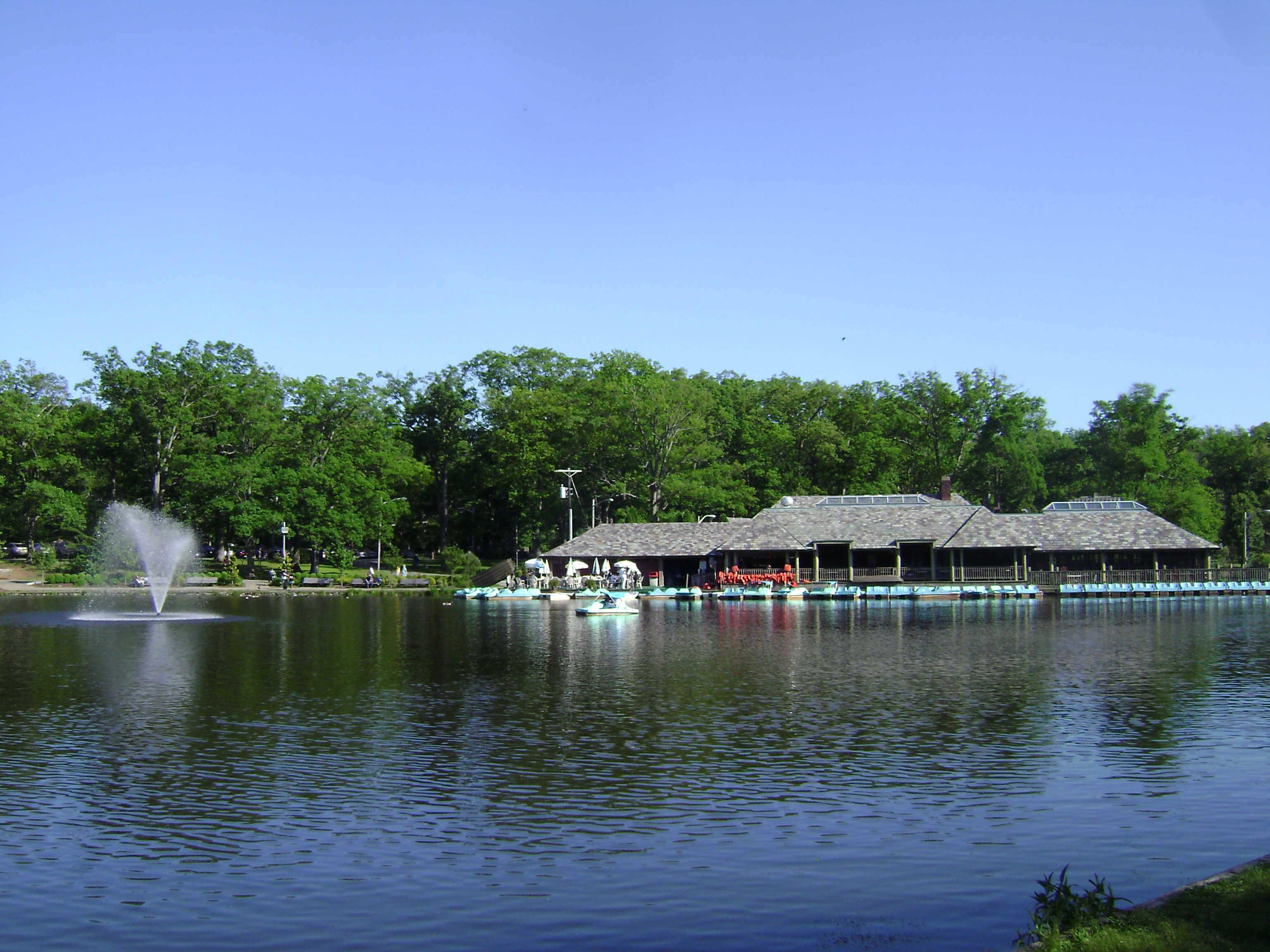
New Jersey, US
Puedes ver Ciervo De Cola Blanca, Barnacla Canadiense y Tordo Sargento.
Ver guía →

Pennsylvania, US
Puedes ver Grey Alder, Sensitive Fern y Interrupted Clubmoss.
Ver guía →

Pennsylvania, US
Puedes ver New York Fern, Common Milkweed y True Sedges.
Ver guía →
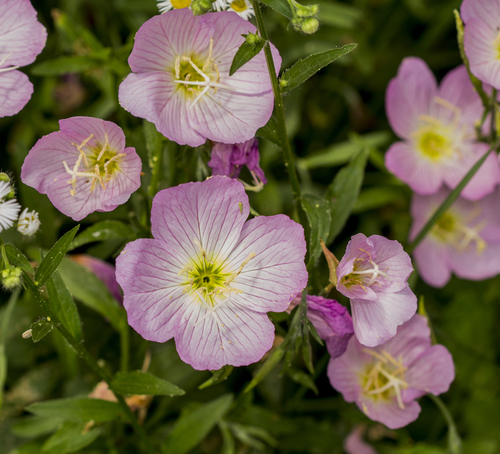
Virginia, US
Puedes ver Pinkladies, Hickories y Japanese Aucuba.
Ver guía →
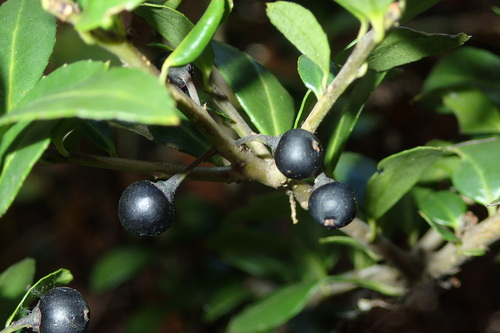
Virginia, US
Puedes ver Japanese Holly, Asian Jumpseed y Violetas.
Ver guía →


















