






North American Common Water Strider
Aquarius remigis
The North American Common Water Strider is a fun insect that skims across the water's surface. They have long legs that help them walk on water without sinking!
Hábitat: Wetlands
The North American Common Water Strider is a slender, dark brown to black insect with very long, thin legs. Its body is elongated and often has a velvety sheen. What makes it visually different are its extremely long middle and hind legs, which splay out to distribute its weight, allowing it to "skate" effortlessly on the water's surface.
Categoría
InsectosRareza
Common
Peligro
1/5 · Muy bajo
Snaps
¡Sé la primera persona en hacer un snap!
Some can grow wings and fly to new ponds if their home dries up!
They clean their super-special legs as carefully as a cat cleans its whiskers!
They use their middle legs like oars to zip across the water super fast!
Water striders talk to each other by tapping special patterns on the water!
North American Common Water Striders can walk and glide on water because their specially-coated legs repel water, creating dimples in the surface tension that support their weight.
North American Common Water Striders can detect prey using sensitive hairs on their legs that sense tiny ripples and vibrations on the water's surface, helping them locate food.
North American Common Water Striders can move swiftly across the water using their middle legs like oars to propel themselves, reaching speeds impressive for their size.
These bug hunters eat small insects that fall onto the water's surface.
Diferencias por edad: Nymphs (young) eat smaller versions of the same insects as adults.
Gambusia affinis
Fish like mosquitofish will prey on water striders.
Lithobates catesbeianus
Frogs often snatch water striders from the surface.
Aedes aegypti
They ambush mosquito adults or larvae that fall into the water.
Chironomus riparius
They prey on midges and other small insects that land on water.
Este rasgo identifica a los organismos cuya dieta consiste principalmente en insectos y otros pequeños invertebrados.
Este rasgo de hábitat identifica especies que se encuentran en humedales, que son áreas de tierra saturadas de agua, ya sea permanente o estacionalmente, e incluyen marismas, pantanos y ciénagas.
Los animales diurnos están activos principalmente durante el día y suelen descansar o dormir por la noche.
Relativo a especies que son significativamente más pequeñas que lo típico o promedio de su tipo.

Este rasgo identifica a los organismos que exhiben una rapidez excepcional en sus movimientos para cazar, escapar o desplazarse.

Los hábitats acuáticos abarcan entornos donde los organismos viven principalmente en el agua, incluidos océanos, ríos, lagos y humedales.

Describe organismos que transfieren polen, permitiendo la fertilización y reproducción de las plantas.
Todavía no hay alias listados.
Peligro
1/5 · Muy bajo
Always watch where you step near water to keep safe from slipping.
8-18 mm
30-90 días
These bug hunters eat small insects that fall onto the water's surface.
Wetlands
Ambush
6
Acércate para separar los grupos y explorar dónde se ha fotografiado este objeto.
Los snaps recientes aparecerán aquí a medida que se añadan nuevas observaciones.
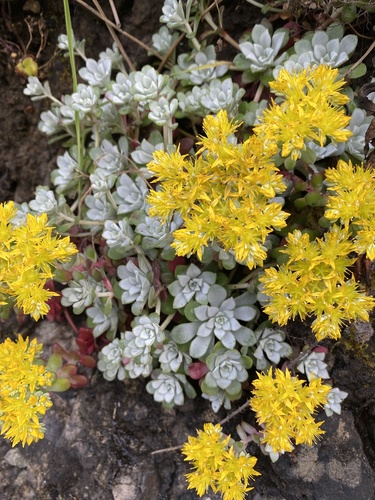
British Columbia, CA
Puedes ver Broad-Leaved Stonecrop y Littleleaf Silverback.
Ver guía →

British Columbia, CA
Puedes ver Babosa Banana, Round-Leaved Sundew y Spleenwortleaf Goldthread.
Ver guía →
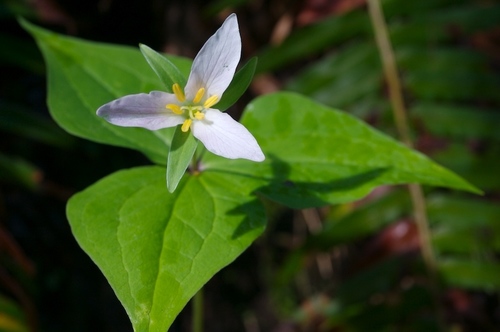
British Columbia, CA
Puedes ver Pacific Trillium, Western Redcedar y Vanilla Leaf.
Ver guía →

British Columbia, CA
Puedes ver Salal, Abeto De Douglas y Western Rattlesnake Plantain.
Ver guía →
British Columbia, CA
Puedes ver Broad-Leaved Stonecrop y Western Sword Fern.
Ver guía →
British Columbia, CA
Puedes ver Pacific Trillium, Coast Fawn Lily y Western Sword Fern.
Ver guía →
















