






North American Tarnished Plant Bug
lygus lineolaris
The North American Tarnished Plant Bug is a small, greenish-brown insect that loves to munch on plants! Kids can spot them hopping around gardens and fields, making them fun little friends to observe.
Hábitat: They live in fields, gardens, and meadows, especially where plants grow.
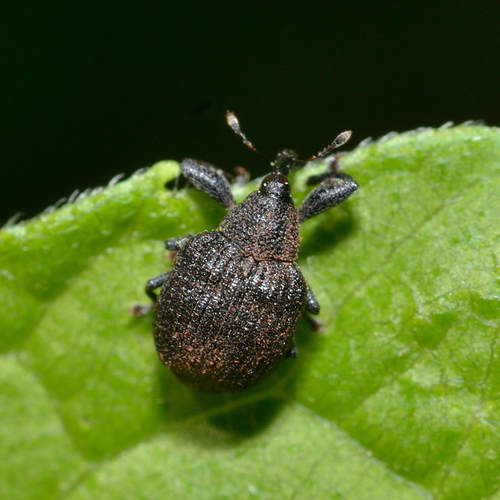
The North American Tarnished Plant Bug is a small, oval-shaped insect, typically 5-6mm long. It has a mottled appearance, ranging from yellowish-brown to reddish-brown, often with darker, brassy markings. A distinct yellow V-shape or diamond on its back makes it recognizable.
Categoría
InsectosRareza
Common
Peligro
1/5 · Muy bajo
Snaps
¡Sé la primera persona en hacer un snap!
A single female plant bug can lay hundreds of eggs in her short life!
Their 'tarnished' look helps them blend in perfectly with dying leaves!
These sneaky insects lay their eggs inside plant stems, completely hidden from view!
Tiny bites from these bugs can make strawberries grow twisted and lumpy!
North American Tarnished Plant Bug has piercing-sucking mouthparts that help them extract vital juices from many different plants.
North American Tarnished Plant Bug can use its strong hind legs to quickly jump away from predators and danger.
North American Tarnished Plant Bug has a mottled, 'tarnished' coloration that helps them perfectly camouflage among foliage.
North American Tarnished Plant Bug can lay hundreds of eggs, allowing their populations to grow quickly.
They feed on plant sap and pollen from a huge variety of plants, causing damage.
Pardosa milvina
Wolf spiders often prey on small insects like these.
Passer domesticus
House sparrows are common insectivores in urban areas.
Peristenus digoneutis
This tiny wasp lays its eggs inside the plant bug nymphs.

Fragaria ananassa
Plant bugs feeding on strawberries cause deformed fruit.
Los animales sociales viven en grupos organizados, cooperando para obtener beneficios de supervivencia como la búsqueda de alimento, la defensa y la cría de descendencia.
Colorido describe a organismos u objetos que exhiben una amplia variedad de colores brillantes y distintivos.
Este rasgo caracteriza a los organismos cuya dieta consiste total o principalmente en material vegetal.
Los animales diurnos están activos principalmente durante el día y suelen descansar o dormir por la noche.

Describe organismos que transfieren polen, permitiendo la fertilización y reproducción de las plantas.
Peligro
1/5 · Muy bajo
Todavía no hay notas especiales de seguridad.
10-12 mm
5-6 mm
30-60 días
They feed on plant sap and pollen from a huge variety of plants, causing damage.
They live in fields, gardens, and meadows, especially where plants grow.
Foraging
6
Acércate para separar los grupos y explorar dónde se ha fotografiado este objeto.
Los snaps recientes aparecerán aquí a medida que se añadan nuevas observaciones.






.jpg&width=800)





