northern catalpa
Catalpa speciosa
The northern catalpa is a tall tree with big, heart-shaped leaves and beautiful white flowers. It provides shade and is loved by many birds and butterflies.
Hábitat: Urban areas
The northern catalpa has large, heart-shaped leaves and showy white bell-shaped flowers with purple and yellow markings. Its most distinctive feature is the long, slender, bean-like pods that hang from its branches through winter.
Categoría
PlantasRareza
Common
Peligro
1/5 · Muy bajo
Snaps
¡Sé la primera persona en hacer un snap!
A single northern catalpa tree can produce thousands of long, bean-like pods!
Early settlers used parts of the catalpa tree in traditional herbal remedies!
Its strong, rot-resistant wood was historically used for fence posts and railroad ties!
The unique 'catalpa worms' that feast on its leaves are prized fishing bait!
Northern catalpa can grow incredibly fast, reaching mature heights quickly to compete for sunlight.
This tree has deep roots that help it find water, allowing it to thrive even in drier conditions.
Its long, bean-like pods burst open, flinging hundreds of winged seeds far from the parent tree.
Apis mellifera
collects nectar and pollen from flowers
Ceratomia catalpae
larvae feed exclusively on catalpa leaves

Archilochus colubris
drinks nectar from its showy flowers
Las plantas caducifolias pierden periódicamente todas sus hojas, por lo general durante el otoño o las estaciones secas.
Las plantas con flores son cualquier planta que produce flores como parte de su ciclo reproductivo.
Las plantas de floración de verano producen sus flores durante la temporada estival, a menudo aportando un color vibrante cuando muchas otras plantas ya han terminado de florecer.
Las plantas tolerantes a la sombra están adaptadas para crecer y prosperar en áreas con bajos niveles de luz, requiriendo menos luz solar directa.

Los árboles de hoja ancha son angiospermas caracterizadas por hojas planas y anchas que típicamente se caen anualmente en climas templados.

Describe plantas que son particularmente atractivas y beneficiosas para una amplia variedad de organismos polinizadores.

Se refiere a la madera que ha sido preparada para su uso en la construcción y la carpintería.

Esta característica de hábitat indica especies que pueden coexistir con los humanos en entornos urbanos y suburbanos, utilizando estructuras artificiales y espacios verdes.
Todavía no hay alias listados.
Peligro
1/5 · Muy bajo
Stay away from the tree's long pods; they can be messy when they fall.
1500-3000 cm
1000-1500 cm
3-5 cm
Late_spring_early_summer
No
Leve
Perenne
Insectos
Acércate para separar los grupos y explorar dónde se ha fotografiado este objeto.
Los snaps recientes aparecerán aquí a medida que se añadan nuevas observaciones.
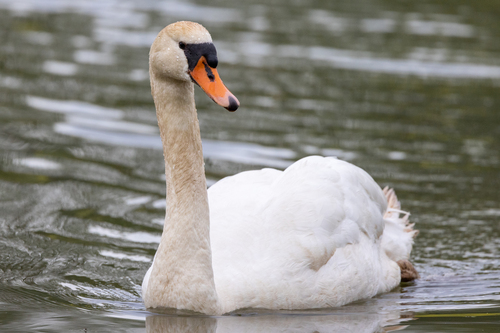
New York, US
Puedes ver Cisne Vulgar, Pato y Gorrión Común.
Ver guía →
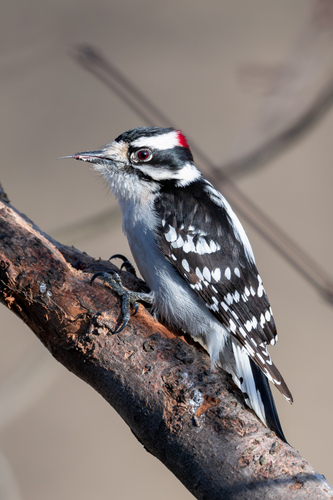
Illinois, US
Puedes ver Carpintero Peludo, Petirrojo Americano y Cuervo Americano.
Ver guía →

Oregon, US
Puedes ver Barnacla Canadiense, Pato y Greater White-Fronted Goose.
Ver guía →

Illinois, US
Puedes ver Pond Slider, Virginia Bluebells y Barnacla Canadiense.
Ver guía →