






Northern Crescent
Phyciodes cocyta
The Northern Crescent is a small butterfly with beautiful orange and black patterns on its wings. It loves to flutter around flowers and is often seen in sunny places during warm months.
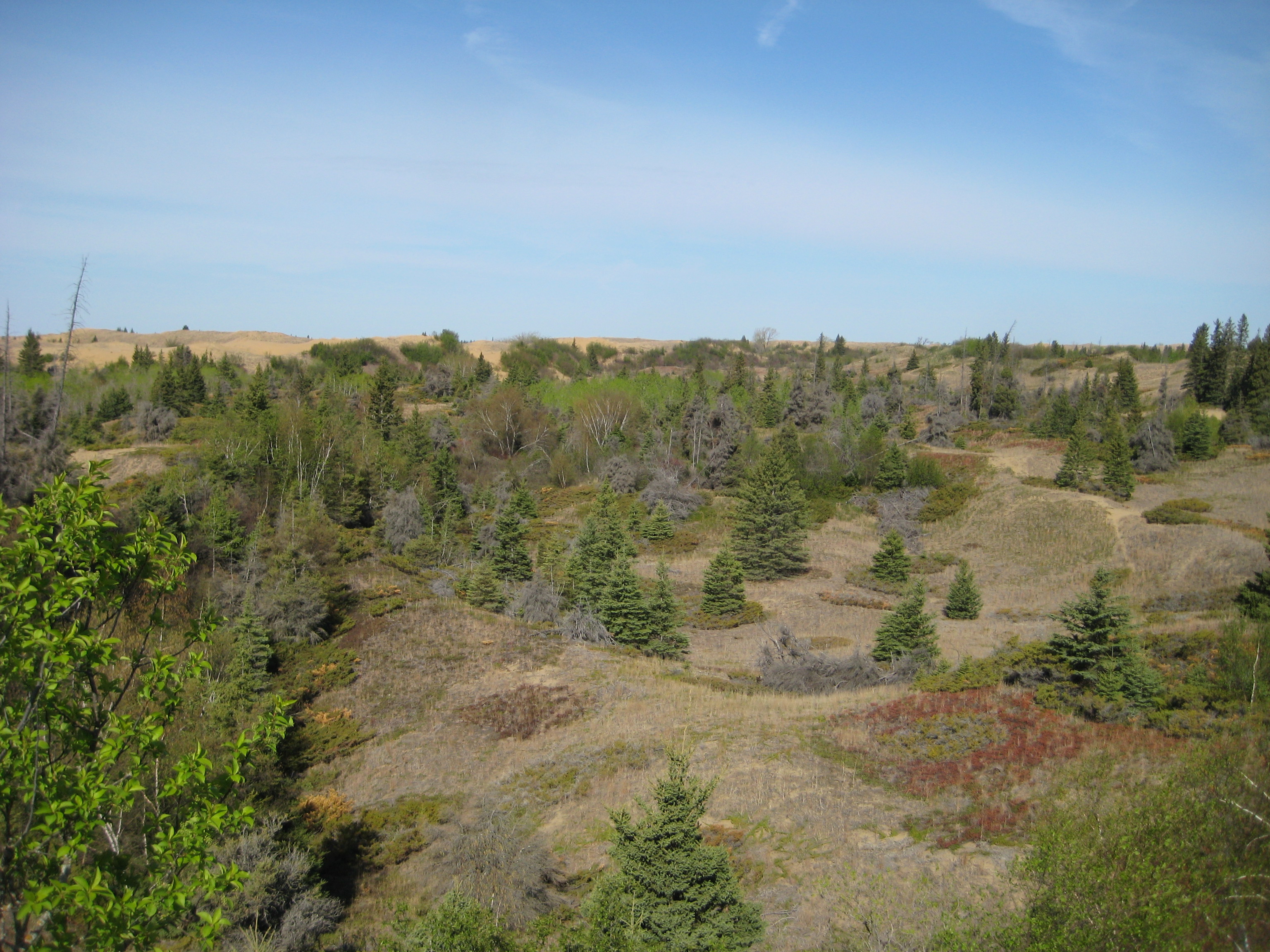
Hábitat: Grasslands
The Northern Crescent has vibrant orange wings intricately patterned with black markings. A key feature is the dark, crescent-shaped spot on its hindwing underside. This butterfly's mottled orange and brown undersides allow it to blend seamlessly with its floral environment.
Categoría
InsectosRareza
Common
Peligro
1/5 · Muy bajo
Snaps
¡Sé la primera persona en hacer un snap!
Its wings are covered in tiny, overlapping scales, like a mosaic!
Northern Crescents taste their food using special sensors on their feet!
The caterpillar stage of this butterfly loves to munch on aster leaves.
They undergo a complete change from egg to caterpillar to adult butterfly.
Northern Crescent can quickly dart through meadows because of its light body and large wings, helping them escape predators.
Northern Crescent has a long, straw-like proboscis that helps them drink sweet nectar deeply from flowers.
Northern Crescent can blend into surroundings because of its mottled underside, which helps them hide from hungry birds.
Northern Crescent has special sensors on its feet that help them 'taste' plants for laying eggs.
Adults sip flower nectar for energy, while caterpillars feast on plant leaves.
Diferencias por edad: Caterpillars eat plant leaves, but adult butterflies drink flower nectar.
Cyanocitta cristata
often preys on adult butterflies.
.jpg&width=800)
Symphyotrichum novae-angliae
Caterpillars feed on its leaves.
Argiope aurantia
weaves webs to catch flying butterflies.
Echinacea purpurea
visits flowers to collect nectar.
Los animales solitarios viven solos durante la mayor parte de su vida y solo interactúan con otros para aparearse o cuidar de sus crías.
Colorido describe a organismos u objetos que exhiben una amplia variedad de colores brillantes y distintivos.
Este rasgo caracteriza a los organismos cuya dieta consiste total o principalmente en material vegetal.
Describe plantas que son particularmente atractivas y beneficiosas para una amplia variedad de organismos polinizadores.

Los hábitats de pastizales son biomas terrestres dominados por pastos y plantas herbáceas, que sustentan a una variedad de animales de pastoreo.

Los animales diurnos están activos principalmente durante el día y suelen descansar o dormir por la noche.

Describe organismos que transfieren polen, permitiendo la fertilización y reproducción de las plantas.
Todavía no hay alias listados.
Peligro
1/5 · Muy bajo
Butterflies are gentle creatures; watch them from a distance and don't touch.
32-45 mm
15-25 mm
7-14 días
Adults sip flower nectar for energy, while caterpillars feast on plant leaves.
Grasslands
Foraging
6
Acércate para separar los grupos y explorar dónde se ha fotografiado este objeto.
Los snaps recientes aparecerán aquí a medida que se añadan nuevas observaciones.











.jpg&width=800)


