Northern Red-bellied Cooter
Pseudemys rubriventris
The Northern Red-bellied Cooter is a friendly turtle with a bright red belly! They love to swim and bask in the sun on logs or rocks. These turtles are great at hiding in the water when they feel scared.
Hábitat: Wetlands
The Northern Red-bellied Cooter has a dark, domed carapace often with faint reddish markings and a distinctive bright reddish-orange to pink plastron (belly). Yellow stripes adorn its head and neck, making it stand out from other freshwater turtles.
Categoría
ReptilesRareza
Common
Peligro
1/5 · Muy bajo
Snaps
¡Sé la primera persona en hacer un snap!
Adults are mostly vegetarian, munching on tasty aquatic plants and algae.
Baby cooters determine their sex by nest temperature: warm for girls, cool for boys!
Their red belly might warn predators or blend with colorful underwater plants!
They spend hours basking on logs, soaking up sunshine like tiny solar panels!
Northern Red-bellied Cooters can warm up their bodies by basking in the sun, which helps them digest food and stay active.
Northern Red-bellied Cooters can retract their head and limbs into their sturdy, dome-shaped shell, protecting them from predators.
Northern Red-bellied Cooters can hold their breath for extended periods underwater, allowing them to search for food and hide from danger.
Northern Red-bellied Cooters have taste buds on their tongue and in their throat, helping them decide if food is yummy or not.
Young cooters eat insects, but adults prefer a plant-based diet of aquatic vegetation and algae.
Diferencias por edad: Young turtles are more carnivorous, feeding on insects and small aquatic animals, while adults become mostly herbivorous.
Procyon lotor
Hunts cooter eggs and hatchlings
Chelydra serpentina
Can prey on juvenile cooters
Elodea canadensis
A primary food source for adults

Ardea alba
Preys on young turtles
Los animales sociales viven en grupos organizados, cooperando para obtener beneficios de supervivencia como la búsqueda de alimento, la defensa y la cría de descendencia.
El camuflaje describe a los organismos que poseen colores o patrones que les permiten mezclarse con su entorno.
Colorido describe a organismos u objetos que exhiben una amplia variedad de colores brillantes y distintivos.
Los filtradores obtienen nutrientes filtrando partículas de alimentos suspendidos y pequeños organismos del agua.

Este rasgo caracteriza a los organismos cuya dieta consiste total o principalmente en material vegetal.

Este rasgo de hábitat identifica especies que se encuentran en humedales, que son áreas de tierra saturadas de agua, ya sea permanente o estacionalmente, e incluyen marismas, pantanos y ciénagas.

Este rasgo caracteriza a los organismos con una esperanza de vida excepcionalmente larga en comparación con otros de su especie.

Los animales diurnos están activos principalmente durante el día y suelen descansar o dormir por la noche.

Describe una especie cuya presencia y papel tienen un efecto desproporcionadamente grande en su entorno.

Los hábitats acuáticos abarcan entornos donde los organismos viven principalmente en el agua, incluidos océanos, ríos, lagos y humedales.
Peligro
1/5 · Muy bajo
Always watch turtles from a distance and never try to pick them up without help from an adult.
25-40 cm
1.5-5 kg
20-40 años
Young cooters eat insects, but adults prefer a plant-based diet of aquatic vegetation and algae.
3 km/h
Wetlands
Foraging
10-17
Acércate para separar los grupos y explorar dónde se ha fotografiado este objeto.
Los snaps recientes aparecerán aquí a medida que se añadan nuevas observaciones.

Maryland, US
Puedes ver Garza Azulada, Azulejo Oriental y Ciervo De Cola Blanca.
Ver guía →
New Jersey, US
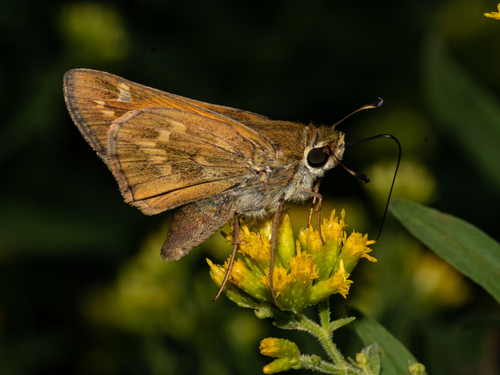
Puedes ver Huron Skipper, Garza Azulada y Petirrojo Americano.
Ver guía →
Virginia, US
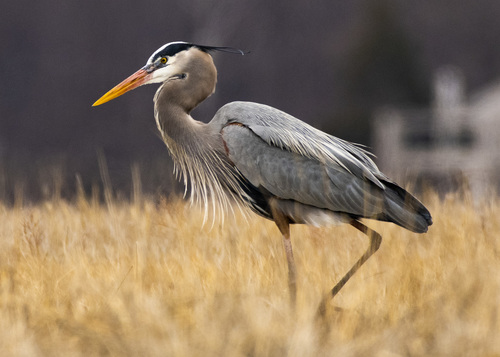
Puedes ver Garza Azulada, Barnacla Canadiense y Tordo Sargento.
Ver guía →
Virginia, US
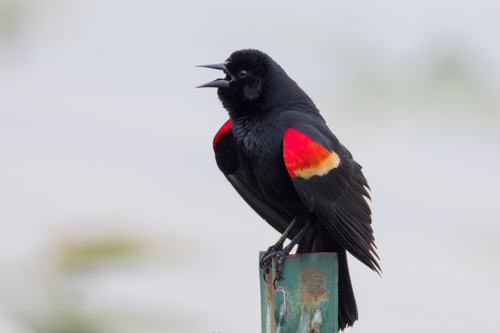
Puedes ver Tordo Sargento y Barnacla Canadiense.
Ver guía →
Virginia, US
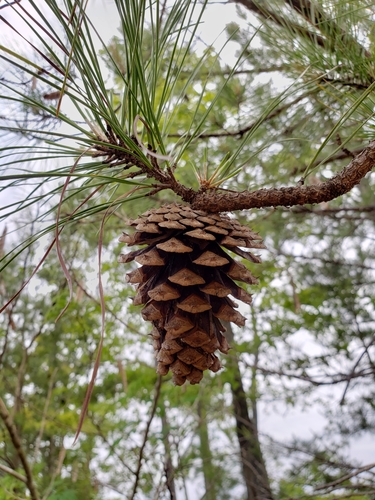
Puedes ver Loblolly Pine, Fox Grape y Sensitive Fern.
Ver guía →