






Northern Rubber Boa
Charina bottae
The Northern Rubber Boa is a gentle snake that loves to hide under rocks and logs. It has smooth, rubbery skin and can be found slithering around in the wild, making it a special friend of nature.
Hábitat: Forests
The Northern Rubber Boa is a small, stout snake with smooth, shiny scales that feel rubbery to the touch, ranging in color from olive green, tan, to various shades of brown. It has a distinctive small, blunt head and an equally blunt tail, often leading predators to confuse its tail for its head.
Categoría
ReptilesRareza
Common
Peligro
1/5 · Muy bajo
Snaps
¡Sé la primera persona en hacer un snap!
They are one of the most northern-ranging boas, able to live in surprisingly cool forest habitats!
This gentle snake gives birth to live babies instead of laying eggs, making them unique among many snakes!
Unlike most snakes that hiss, this boa sometimes makes a tiny clicking sound when startled!
When scared, it can release a smelly musky liquid to warn off predators and feel safe!
Northern Rubber Boa has a blunt tail that looks like its head, which helps them distract predators and escape danger.
Northern Rubber Boa can tightly constrict small prey with its strong body, which helps them capture and eat tiny animals.
Northern Rubber Boa can burrow easily underground because of its smooth scales, helping it hide from danger or ambush prey.
This gentle snake hunts small mammals and other creatures, using its strong body to squeeze them!
Peromyscus maniculatus
Main food source for the boa.
Buteo jamaicensis
A common aerial predator of boas.

Mustela frenata
An opportunistic mammalian predator.
Los animales solitarios viven solos durante la mayor parte de su vida y solo interactúan con otros para aparearse o cuidar de sus crías.
Los animales excavadores cavan túneles y cámaras en el suelo y utilizan estas estructuras subterráneas para refugiarse, cazar o reproducirse.
Los hábitats boscosos son entornos terrestres dominados por una densa cubierta arbórea, que sustentan una gran diversidad de vida animal y vegetal.
Este rasgo caracteriza a los organismos con una esperanza de vida excepcionalmente larga en comparación con otros de su especie.

Este rasgo identifica a los organismos cuya dieta consiste total o principalmente en tejido animal.

Los animales nocturnos están principalmente activos durante la noche, y suelen descansar o dormir durante el día.
Todavía no hay alias listados.
Peligro
1/5 · Muy bajo
If you see a snake, it's best to admire it from a distance and not touch it.
30-85 cm
0.08-0.25 kg
15-25 años
0.6 km/h
This gentle snake hunts small mammals and other creatures, using its strong body to squeeze them!
0.5 km/h
Forests
Ambush
Acércate para separar los grupos y explorar dónde se ha fotografiado este objeto.
Los snaps recientes aparecerán aquí a medida que se añadan nuevas observaciones.

British Columbia, CA
Puedes ver American Dipper, Salmón Rojo y Pato.
Ver guía →

British Columbia, CA
Puedes ver Vine Maple, Orange Honeysuckle y Licorice Fern.
Ver guía →
British Columbia, CA
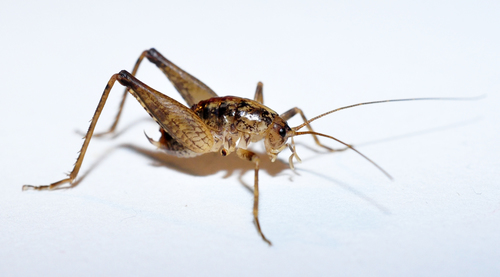
Puedes ver Pristoceuthophilus Celatus y Western Rattlesnake Plantain.
Ver guía →









.jpg&width=800)



