






Northern Two-lined Salamander
Eurycea bislineata
The Northern Two-lined Salamander is a small, yellowish salamander with two dark stripes. They love to live in cool, damp places and are great at hiding under rocks and logs!
Hábitat: Forests
The Northern Two-lined Salamander has a slender body with a yellow to orange-yellow back. It is distinctive for two prominent black lines running from behind its eyes down its sides, extending onto the tail. Its underside is typically a pale yellow.
Categoría
AnfibiosRareza
Common
Peligro
1/5 · Muy bajo
Snaps
¡Sé la primera persona en hacer un snap!
Sometimes they build underground tunnels near streams to stay cool and hidden!
Their name "bislineata" means "two-lined" in Latin, describing their stripes!
These salamanders can live under rocks and logs for many months during winter!
They spend their entire larval life living underwater as tiny gilled creatures!
Northern Two-lined Salamander can breathe underwater and on land through its moist skin and mouth lining because it has no lungs!
Northern Two-lined Salamander can drop its tail when grabbed by a predator, distracting the attacker and allowing the salamander to escape.
Northern Two-lined Salamander hunts at night, using its keen senses to find tiny insects and worms when predators are less active.
Northern Two-lined Salamander has speckled brown and yellow skin that helps it blend perfectly with rocks and leaves in its streambed home.
This tiny amphibian loves to snack on small insects, spiders, and other tiny invertebrates found near water!
Diferencias por edad: Larvae eat tiny aquatic invertebrates, while adults consume a wider variety of terrestrial and aquatic insects.
Salmo trutta
Large fish often prey on both adult and larval salamanders.
Thamnophis sirtalis
Snakes hunt them near water, especially during warmer months.
Chironomus plumosus
Adults and larvae consume the tiny larval stages of midges in streams.
Limnephilus rhombicus
Larval salamanders feed on small caddisfly larvae found on streambeds.
Marcado con bandas paralelas o líneas de color.
Los animales solitarios viven solos durante la mayor parte de su vida y solo interactúan con otros para aparearse o cuidar de sus crías.
El camuflaje describe a los organismos que poseen colores o patrones que les permiten mezclarse con su entorno.
Este rasgo identifica a los organismos cuya dieta consiste principalmente en insectos y otros pequeños invertebrados.

Los hábitats boscosos son entornos terrestres dominados por una densa cubierta arbórea, que sustentan una gran diversidad de vida animal y vegetal.

Los organismos regenerativos poseen la capacidad de volver a desarrollar partes del cuerpo, tejidos u órganos perdidos o dañados.

Los organismos tóxicos contienen sustancias que son venenosas y pueden causar efectos adversos al estar expuestos a ellas.

Los animales nocturnos están principalmente activos durante la noche, y suelen descansar o dormir durante el día.

El estado de peligro de extinción indica que una especie corre un riesgo muy alto de extinguirse en estado silvestre en un futuro próximo.
Todavía no hay alias listados.
Peligro
1/5 · Muy bajo
If you find a salamander, remember to look but not touch, so they can stay safe and happy.
7-12 cm
0.001-0.003 kg
5-10 años
This tiny amphibian loves to snack on small insects, spiders, and other tiny invertebrates found near water!
Forests
Foraging
10-90
365-1095 días
Acércate para separar los grupos y explorar dónde se ha fotografiado este objeto.
Los snaps recientes aparecerán aquí a medida que se añadan nuevas observaciones.
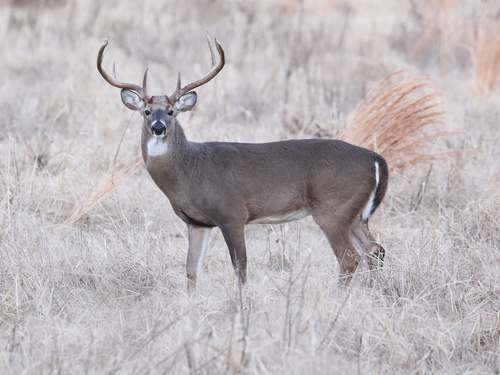
Pennsylvania, US
Puedes ver Ciervo De Cola Blanca, Barnacla Canadiense y Garza Azulada.
Ver guía →

District of Columbia, US
Puedes ver Pato, Gaviota De Delaware y Barnacla Canadiense.
Ver guía →
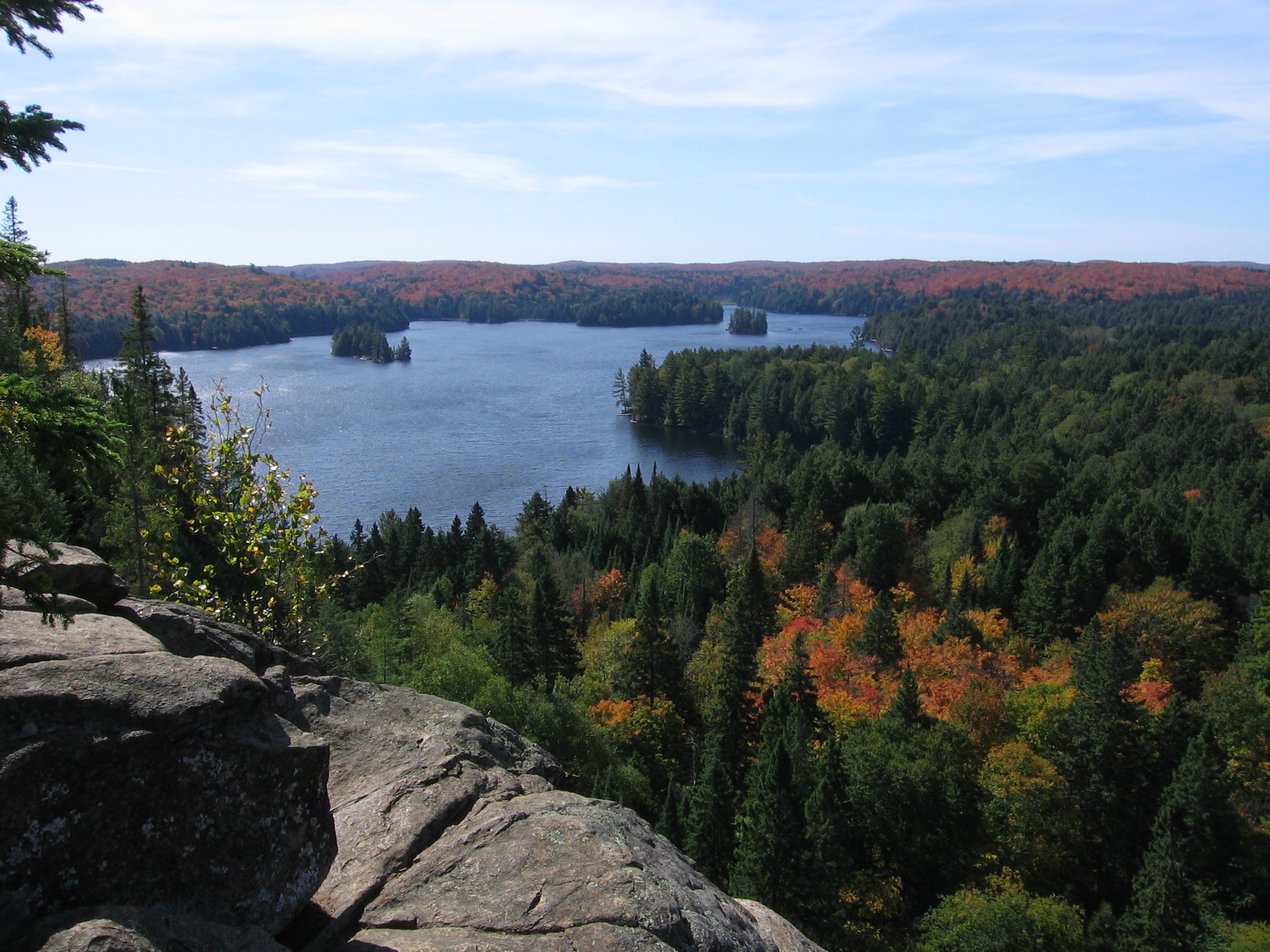
Ontario, CA
Puedes ver Alce, Brittlegills y Canadian Bunchberry.
Ver guía →
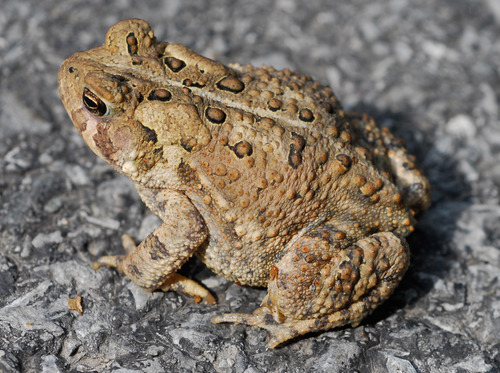
Virginia, US
Puedes ver Sapo Americano, Tortuga De Caja Oriental y Petirrojo Americano.
Ver guía →















