
.jpg&width=800)





northern whitecedar
Thuja occidentalis
The northern white cedar is a tall tree with soft, green leaves that look like tiny scales. It grows in forests and is great for making furniture and canoes!
Hábitat: Forests
The northern whitecedar has dense, flattened, scale-like leaves that form fan-like sprays, maintaining a vibrant green color year-round. Its bark is reddish-brown and peels off in narrow, shreddy strips. It typically grows into a narrow, conical shape, making it visually distinct from many other evergreens.
Categoría
PlantasRareza
Common
Peligro
1/5 · Muy bajo
Snaps
¡Sé la primera persona en hacer un snap!
Indigenous peoples called it 'arborvitae,' meaning 'tree of life,' for its many gifts!
Its unique flattened needles look and feel more like soft scales than prickly needles!
Some northern whitecedars have lived for over 1,000 years, older than many pyramids!
This tree's wood has a wonderful scent that naturally repels moths from clothes!
Northern whitecedar's dense, scale-like foliage holds heavy snow, helping it stay warm and protected during harsh winter cold.
Northern whitecedar's wood contains natural chemicals that make it highly resistant to rot and insects, helping it last longer.
Northern whitecedar young shoots are packed with Vitamin C, which helped early explorers survive scurvy.
Odocoileus virginianus
Browses its foliage, especially in winter.
Turdus migratorius
Nests in its dense branches for protection.
Coleotechnites thujaella
Larvae tunnel and feed inside its scale-like leaves.
Las plantas tolerantes a la sombra están adaptadas para crecer y prosperar en áreas con bajos niveles de luz, requiriendo menos luz solar directa.
Las plantas coníferas suelen ser de hoja perenne, con agujas o escamas y conos reproductivos.
Las plantas de hoja perenne conservan su follaje durante todo el año, sin perder nunca todas sus hojas a la vez.
Los árboles de hoja ancha son angiospermas caracterizadas por hojas planas y anchas que típicamente se caen anualmente en climas templados.

Se refiere a la madera que ha sido preparada para su uso en la construcción y la carpintería.

Los hábitats boscosos son entornos terrestres dominados por una densa cubierta arbórea, que sustentan una gran diversidad de vida animal y vegetal.

Este rasgo de hábitat identifica especies que se encuentran en humedales, que son áreas de tierra saturadas de agua, ya sea permanente o estacionalmente, e incluyen marismas, pantanos y ciénagas.

Este rasgo caracteriza a los organismos con una esperanza de vida excepcionalmente larga en comparación con otros de su especie.

Describe una especie cuya presencia y papel tienen un efecto desproporcionadamente grande en su entorno.
Todavía no hay alias listados.
Peligro
1/5 · Muy bajo
Always stay on paths when exploring forests and don't climb trees without an adult.
1200-1800 cm
300-600 cm
No
Leve
Perenne
Viento
Forests
Acércate para separar los grupos y explorar dónde se ha fotografiado este objeto.
Los snaps recientes aparecerán aquí a medida que se añadan nuevas observaciones.
.JPG)
Massachusetts, US
Puedes ver Virginia Bluebells y Great Golden Digger Wasp.
Ver guía →
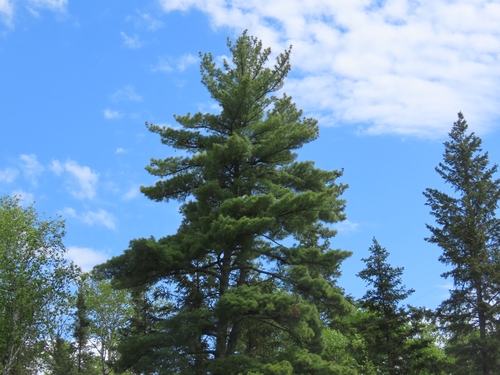
Connecticut, US
Puedes ver Pino Blanco Oriental, Tsuga Del Canadá y Laurel De Montaña.
Ver guía →

Louisiana, US
Puedes ver Sharp-Lobed Hepatica y Purple-Flowered Raspberry.
Ver guía →
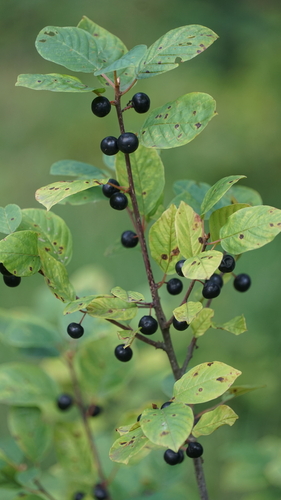
Michigan, US
Puedes ver Alder Buckthorn, Bulblet Fern y Western Poison Ivy.
Ver guía →
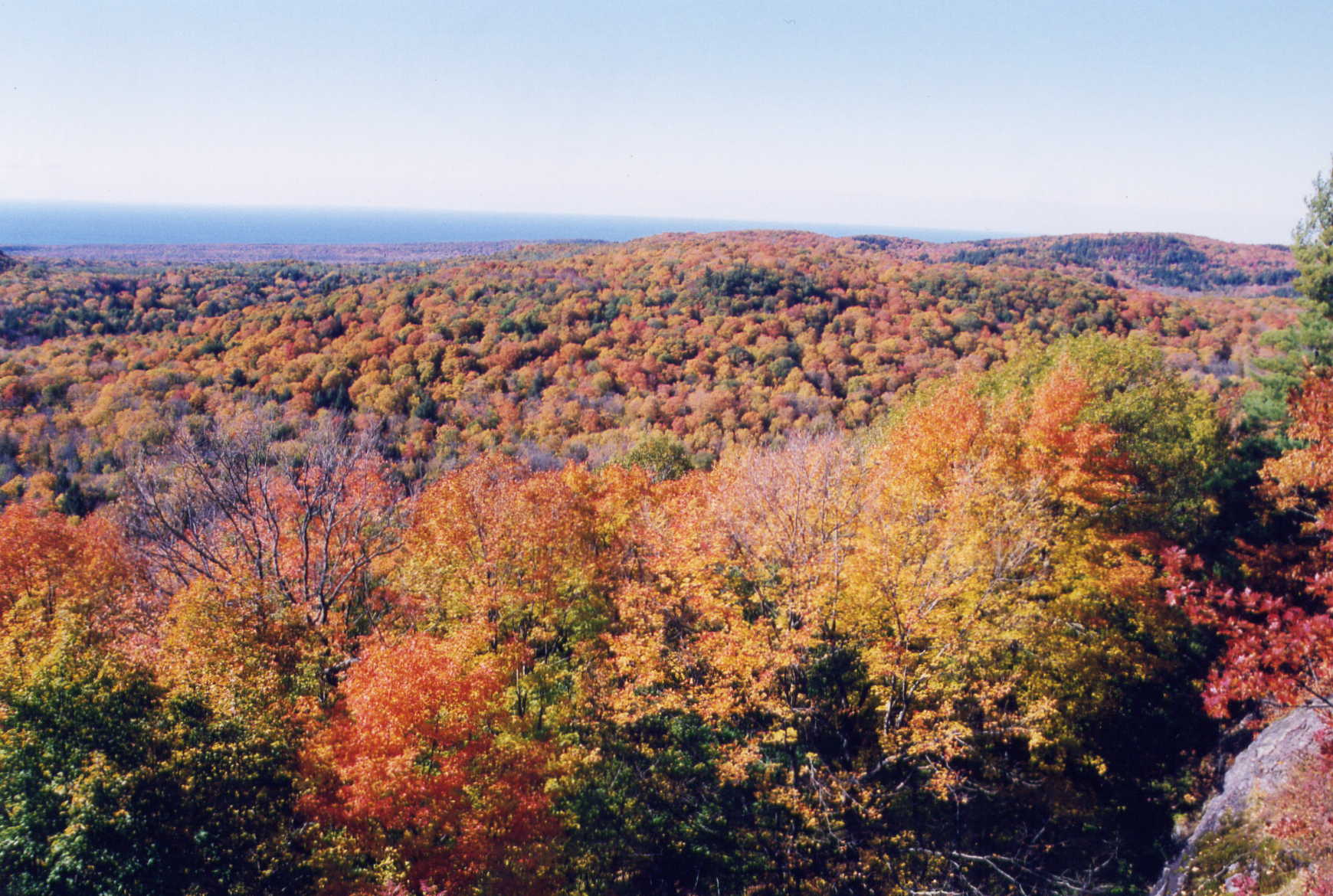
Michigan, US
Puedes ver Tree Lungwort, Shining Firmoss y Sapo Americano.
Ver guía →
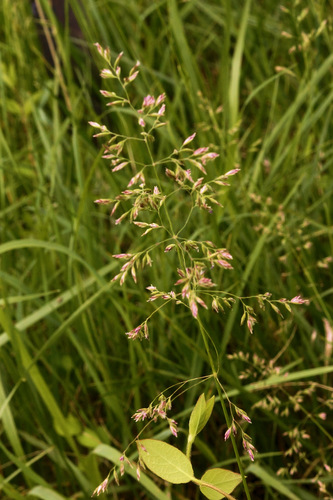
Montana, US
Puedes ver Smooth Meadow-Grass, Gato Doméstico y Northern Whitecedar.
Ver guía →

















