




Northwestern Garter Snake
Thamnophis ordinoides
The Northwestern Garter Snake is a small, colorful snake that loves to slither around in the grass. It has stripes that can be green, blue, or yellow, making it look very pretty in nature!
Hábitat: Grasslands
The Northwestern Garter Snake is a small, slender reptile, typically dark brown or black with a faint or absent dorsal stripe. Its sides often feature distinctive red or orange blotches, making it visually unique among garter snakes. The belly is usually a pale yellow or grey.
Categoría
ReptilesRareza
Common
Peligro
1/5 · Muy bajo
Snaps
¡Sé la primera persona en hacer un snap!
Some of these snakes look like fire with bright reddish spots on their sides!
These snakes love to hide under rocks or logs to stay safe and warm.
They can have up to 20 live baby snakes, called "snakelets," at once!
They often hunt slugs and worms, making them garden helpers!
Northwestern Garter Snake has highly variable skin patterns that help them blend seamlessly into various natural backgrounds, avoiding predators.
Northwestern Garter Snake can give birth to live young, not eggs, which helps their babies survive better in cooler environments.
Northwestern Garter Snake can release a strong, unpleasant-smelling musk when threatened, deterring most potential predators.
A tiny hunter, mainly eating small amphibians, worms, and slugs.
Buteo jamaicensis
Large birds of prey frequently hunt garter snakes from above.
Procyon lotor
Opportunistic omnivores that prey on snakes encountered at night.

Ambystoma gracile
Young salamanders and their larvae are a common food source.
Limax maximus
Slugs are a frequently hunted invertebrate prey item for this snake.
Marcado con bandas paralelas o líneas de color.
Colorido describe a organismos u objetos que exhiben una amplia variedad de colores brillantes y distintivos.
Este rasgo identifica a los organismos cuya dieta consiste principalmente en insectos y otros pequeños invertebrados.
Los hábitats de pastizales son biomas terrestres dominados por pastos y plantas herbáceas, que sustentan a una variedad de animales de pastoreo.

Este rasgo identifica a los organismos cuya dieta consiste total o principalmente en tejido animal.

Los animales diurnos están activos principalmente durante el día y suelen descansar o dormir por la noche.

Este rasgo identifica a los organismos que exhiben una rapidez excepcional en sus movimientos para cazar, escapar o desplazarse.
Todavía no hay alias listados.
Peligro
1/5 · Muy bajo
If you see a snake, it's best to watch from a distance and not touch it.
30-70 cm
0.05-0.15 kg
5-8 años
8 km/h
A tiny hunter, mainly eating small amphibians, worms, and slugs.
3 km/h
Grasslands
Foraging
Acércate para separar los grupos y explorar dónde se ha fotografiado este objeto.
Los snaps recientes aparecerán aquí a medida que se añadan nuevas observaciones.

Oregon, US
Puedes ver Barnacla Canadiense, Pato y Greater White-Fronted Goose.
Ver guía →
Washington, US
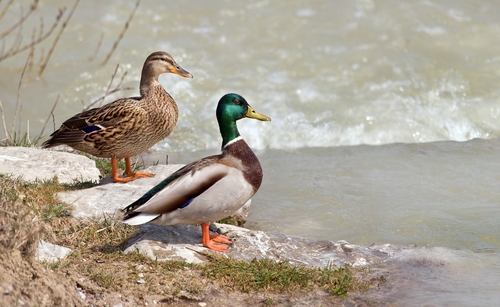
Puedes ver Pato, American Coot y Barnacla Canadiense.
Ver guía →

Washington, US
Puedes ver Araña De Jardín, Pato y Fringed Willowherb.
Ver guía →

Oregon, US
Puedes ver Savannah Sparrow, Gorrión Melódico y Petirrojo Americano.
Ver guía →
British Columbia, CA
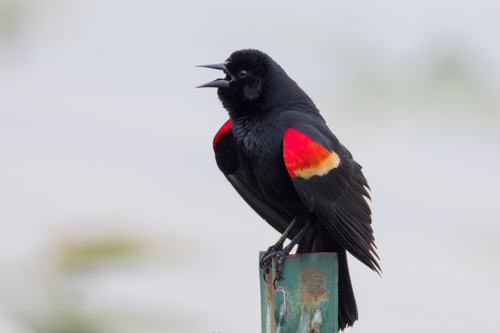
Puedes ver Tordo Sargento, Golondrina Bicolor y Garza Azulada.
Ver guía →

Washington, US
Puedes ver Purple Foxglove, Tansy y Broad-Leaved Sweet Pea.
Ver guía →