






obedient plant
Physostegia virginiana
The obedient plant is a pretty flower that can change its shape! It has tall spikes with pink or white blooms that look like little bells. This flower loves to grow in sunny places and can be found in gardens and wild areas.
Hábitat: Wetlands
The obedient plant has tall spikes adorned with numerous tubular, two-lipped flowers, typically in shades of pink, purple, or white. Its lance-shaped leaves have serrated edges and grow on upright, square stems. The flowers are arranged closely along the upper part of the stem.
Categoría
PlantasRareza
Common
Peligro
1/5 · Muy bajo
Snaps
¡Sé la primera persona en hacer un snap!
Did you know its flowers are sometimes called 'dragonhead' because of their unique shape?
Even though it loves moist soil, this tough plant can also thrive in drier garden spots!
Some people believe the roots were traditionally used by Native Americans for teas!
The plant's square stems are a secret clue that it belongs to the big mint family!
The obedient plant has flowers that, when gently pushed sideways, will stay in their new position, helping guide pollinators!
This plant produces abundant nectar and bright, showy flowers that effectively attract a variety of bees, butterflies, and hummingbirds.
Obedient plants can spread effectively through underground stems called rhizomes, helping them form dense colonies over time.
Bombus impatiens
Visits flowers for nectar and pollen.
Danaus plexippus
Feeds on nectar, aiding in pollination.

Archilochus colubris
Sips nectar from the tubular flowers.
Las plantas caducifolias pierden periódicamente todas sus hojas, por lo general durante el otoño o las estaciones secas.
Las flores en forma de campana poseen pétalos fusionados o dispuestos para formar una estructura acampanada o en forma de copa que se asemeja a una campana.
Las plantas con flores son cualquier planta que produce flores como parte de su ciclo reproductivo.
Las plantas de floración de verano producen sus flores durante la temporada estival, a menudo aportando un color vibrante cuando muchas otras plantas ya han terminado de florecer.

Las flores fragantes emiten un aroma agradable, a menudo para atraer polinizadores o como defensa.

Describe plantas que son particularmente atractivas y beneficiosas para una amplia variedad de organismos polinizadores.

Este rasgo de hábitat identifica especies que se encuentran en humedales, que son áreas de tierra saturadas de agua, ya sea permanente o estacionalmente, e incluyen marismas, pantanos y ciénagas.
Todavía no hay alias listados.
Peligro
1/5 · Muy bajo
Always look but don’t pick flowers in nature to help them grow.
60-120 cm
30-90 cm
1-3 cm
Late summer to fall
No
Ninguna
Perenne
Insectos
Acércate para separar los grupos y explorar dónde se ha fotografiado este objeto.
Los snaps recientes aparecerán aquí a medida que se añadan nuevas observaciones.

Ontario, CA
Puedes ver Monarch, Rana Leopardo y Cisne Vulgar.
Ver guía →
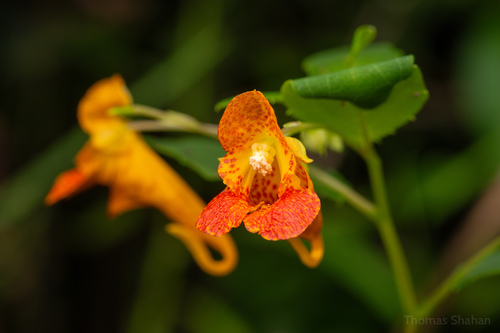
Virginia, US
Puedes ver Common Jewelweed, Willow Oak y American Jumpseed.
Ver guía →

Illinois, US
Puedes ver Pond Slider, Virginia Bluebells y Barnacla Canadiense.
Ver guía →

Virginia, US
Puedes ver Equinácea, Southern Wild Raisin y Liquidámbar Americano.
Ver guía →
















