






Pacific Forktail
Ischnura cervula
The Pacific Forktail is a small, colorful dragonfly that loves to flutter around ponds and streams. With its bright blue and green colors, it looks like a tiny jewel in the air!
Hábitat: Wetlands
The Pacific Forktail is a slender damselfly, with males sporting a vibrant sky-blue body marked with black patterns, particularly on their tail. Females are typically greenish-yellow or brown. They can be distinguished from dragonflies by their much thinner bodies and by holding their four wings neatly together over their back when at rest.
Categoría
InsectosRareza
Common
Peligro
1/5 · Muy bajo
Snaps
¡Sé la primera persona en hacer un snap!
Males display a bright blue 'tail fork' used for identifying mates, making them easy to spot!
Pacific Forktail nymphs spend up to two years growing underwater before transforming into adults!
These tiny hunters have massive eyes that give them almost 360-degree vision to spot prey!
When mating, a male and female Pacific Forktail form a beautiful heart shape with their bodies!
Pacific Forktail nymphs can breathe underwater because of specialized gills on their tails, which helps them survive and hunt in aquatic environments.
Pacific Forktail can dart and hover with four independently controlled wings, helping them expertly catch tiny flying insects mid-air.
Pacific Forktail females have a special blade-like organ that helps them insert eggs safely into underwater plant stems.
These tiny hunters catch and eat other small insects in the air, keeping mosquito populations in check!
Diferencias por edad: Nymphs hunt small aquatic invertebrates, while adults catch flying insects.
Oncorhynchus mykiss
Trout eagerly consume damselfly nymphs and adults when hunting in water.
Culex pipiens
Adult Pacific Forktails are skilled hunters of flying mosquitoes near water.
Lithobates pipiens
Frogs frequently prey on damselflies found resting or flying near the water's edge.
Los animales solitarios viven solos durante la mayor parte de su vida y solo interactúan con otros para aparearse o cuidar de sus crías.
Las criaturas aéreas pasan una parte importante de su vida en el aire, utilizando el vuelo para diversas actividades como la caza, la migración o la anidación.
Colorido describe a organismos u objetos que exhiben una amplia variedad de colores brillantes y distintivos.
Este rasgo identifica a los organismos cuya dieta consiste principalmente en insectos y otros pequeños invertebrados.

Este rasgo de hábitat identifica especies que se encuentran en humedales, que son áreas de tierra saturadas de agua, ya sea permanente o estacionalmente, e incluyen marismas, pantanos y ciénagas.

Los animales diurnos están activos principalmente durante el día y suelen descansar o dormir por la noche.

Este rasgo identifica a los organismos que exhiben una rapidez excepcional en sus movimientos para cazar, escapar o desplazarse.

Describe organismos que transfieren polen, permitiendo la fertilización y reproducción de las plantas.
Todavía no hay alias listados.
Peligro
1/5 · Muy bajo
Be careful around water where dragonflies live, and always stay close to an adult.
30-45 mm
25-35 mm
365-730 días
15 km/h
These tiny hunters catch and eat other small insects in the air, keeping mosquito populations in check!
Wetlands
Pursuit
6
Acércate para separar los grupos y explorar dónde se ha fotografiado este objeto.
Los snaps recientes aparecerán aquí a medida que se añadan nuevas observaciones.

Oregon, US
Puedes ver Barnacla Canadiense, Pato y Greater White-Fronted Goose.
Ver guía →
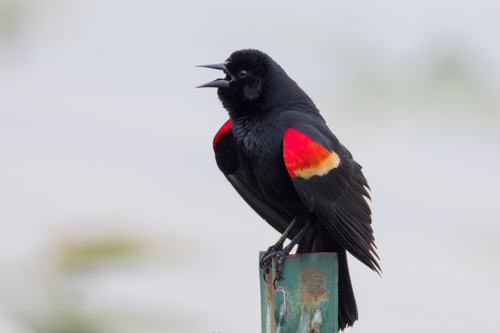
British Columbia, CA
Puedes ver Tordo Sargento, Golondrina Bicolor y Garza Azulada.
Ver guía →
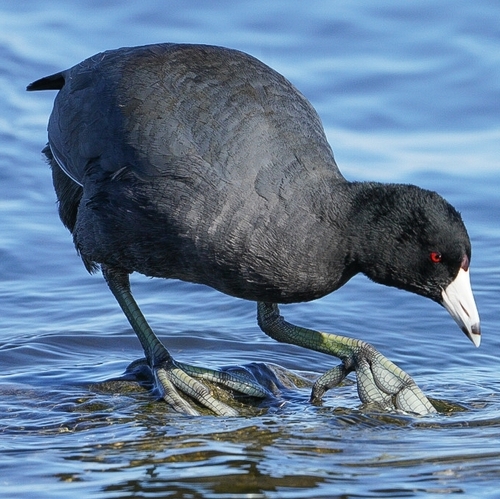
British Columbia, CA
Puedes ver American Coot, Pato y Barnacla Canadiense.
Ver guía →
.jpg)
Washington, US
Puedes ver Pato, Garza Azulada y Western Redcedar.
Ver guía →
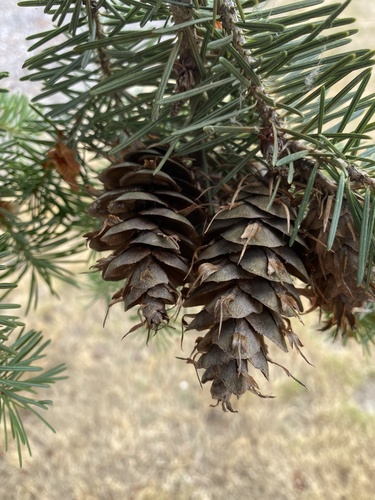
British Columbia, CA
Puedes ver Abeto De Douglas, Pacific Madrone y Tritón De Piel Rugosa.
Ver guía →

Washington, US
Puedes ver Western Yellow Pond-Lily, Rose Spirea y Fireweed.
Ver guía →















