Pacific Sideband
Monadenia fidelis
The Pacific Sideband is a colorful snail that lives in damp places. It has a beautiful shell with stripes and loves to munch on leaves and plants.
Hábitat: Forests
The Pacific Sideband is a large, colorful land snail with a shell typically ranging from yellow to dark brown, often featuring a distinct reddish-brown band along its outer edge. Its soft body is usually dark grey to black, contrasting with the vibrant, often glossy shell. Unlike many common snails, its shell is particularly striking in its varied coloration.
Categoría
InvertebrateRareza
Common
Peligro
1/5 · Muy bajo
Snaps
¡Sé la primera persona en hacer un snap!
It builds its shell from calcium it finds in the dirt and rocks!
Its incredible slime trail helps it stick to surfaces, even upside down!
The Pacific Sideband's shell color and band can change based on its diet!
This snail can live for several years, slowly exploring its forest home.
Pacific Sideband can glide across rough surfaces because it secretes a slimy mucus trail that helps it move and stay hydrated.
Pacific Sideband has a sturdy, spiral shell that helps it hide from predators and protect its soft body from damage.
Pacific Sideband can survive dry periods by retreating into its shell and sealing the opening, waiting for wetter conditions.
Pacific Sideband can build and repair its strong shell because it extracts calcium from the soil and its diet.
This snail enjoys munching on decaying plants and fungi, helping to recycle nutrients!
Peromyscus maniculatus
Rodents crack open snail shells for a meal.
Turdus migratorius
Birds often smash snail shells on rocks to eat them.
Thamnophis sirtalis
Snakes are known to prey on slow-moving snails.
Marcado con bandas paralelas o líneas de color.
Los animales solitarios viven solos durante la mayor parte de su vida y solo interactúan con otros para aparearse o cuidar de sus crías.
Colorido describe a organismos u objetos que exhiben una amplia variedad de colores brillantes y distintivos.
Este rasgo caracteriza a los organismos cuya dieta consiste total o principalmente en material vegetal.

Los hábitats boscosos son entornos terrestres dominados por una densa cubierta arbórea, que sustentan una gran diversidad de vida animal y vegetal.

Describe a los organismos que descomponen la materia orgánica muerta, reciclando los nutrientes de vuelta al ecosistema.

Los animales nocturnos están principalmente activos durante la noche, y suelen descansar o dormir durante el día.
Todavía no hay alias listados.
Peligro
1/5 · Muy bajo
Be gentle if you see a snail, and don't pick it up unless you have permission!
25-45 mm
1095-1825 días
This snail enjoys munching on decaying plants and fungi, helping to recycle nutrients!
Forests
Foraging
0
Acércate para separar los grupos y explorar dónde se ha fotografiado este objeto.
Los snaps recientes aparecerán aquí a medida que se añadan nuevas observaciones.

British Columbia, CA
Puedes ver Herb Robert, Western Redcedar y Thimbleberry.
Ver guía →
British Columbia, CA
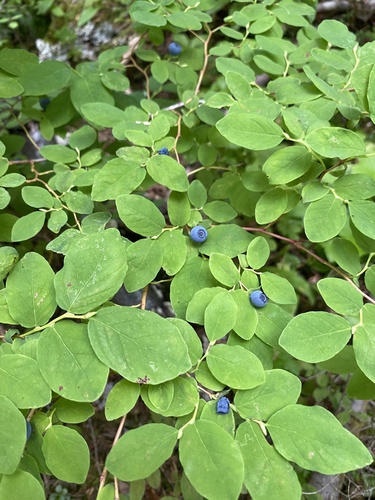
Puedes ver Oval-Leaf Blueberry, Columbia Lily y Green False Hellebore.
Ver guía →
British Columbia, CA
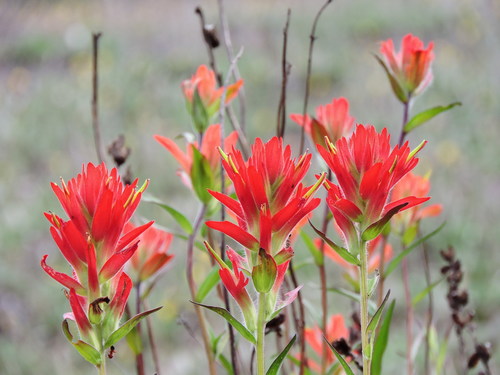
Puedes ver Giant Red Paintbrush, Lupines y Broadleaf Arnica.
Ver guía →