






sweetbay magnolia
Magnolia virginiana
The sweetbay magnolia is a lovely tree with big, shiny leaves and beautiful white flowers. It grows near water and smells sweet, making it a favorite for many people and animals.
Hábitat: Wetlands
The sweetbay magnolia is a graceful tree with glossy, dark green leaves that are striking silvery-white underneath. Its creamy white, cup-shaped flowers release a sweet, lemony fragrance. Unlike many magnolias, its leaves often persist through winter, providing year-round visual interest.
Categoría
PlantasRareza
Common
Peligro
1/5 · Muy bajo
Snaps
¡Sé la primera persona en hacer un snap!
Its bright red seeds dangle from cone-like fruits, looking like tiny ornaments!
Magnolias are ancient flowers, evolving even before bees appeared on Earth!
Many birds love to snack on the sweetbay's shiny red seeds in late summer!
The sweetbay magnolia can be either a big shrub or a small tree!
Sweetbay magnolia has fragrant, lemony flowers that act as a powerful beacon, guiding beetles to pollinate them.
Its leaves are silvery underneath, which helps reflect sunlight, keeping the leaves cooler on hot days.
Sweetbay magnolia can grow in wet, swampy soils where many other trees struggle, thanks to its specialized roots.
Cyclocephala borealis
This beetle helps the magnolia make its seeds.
Turdus migratorius
Feasts on its bright red seeds, helping to spread them.
Bombycilla cedrorum
Eats the juicy red seeds in late summer.
Odocoileus virginianus
Deer sometimes browse on young sweetbay magnolia leaves.
Las plantas aromáticas producen y emiten compuestos orgánicos volátiles fragantes, a menudo como defensa o para atraer a los polinizadores.
Las plantas con flores son cualquier planta que produce flores como parte de su ciclo reproductivo.
Las plantas de hoja perenne conservan su follaje durante todo el año, sin perder nunca todas sus hojas a la vez.
Las flores fragantes emiten un aroma agradable, a menudo para atraer polinizadores o como defensa.

Los árboles de hoja ancha son angiospermas caracterizadas por hojas planas y anchas que típicamente se caen anualmente en climas templados.

Describe plantas que son particularmente atractivas y beneficiosas para una amplia variedad de organismos polinizadores.

Este rasgo de hábitat identifica especies que se encuentran en humedales, que son áreas de tierra saturadas de agua, ya sea permanente o estacionalmente, e incluyen marismas, pantanos y ciénagas.

Este rasgo caracteriza a los organismos con una esperanza de vida excepcionalmente larga en comparación con otros de su especie.
Peligro
1/5 · Muy bajo
Stay on paths when exploring near trees and don't climb without an adult.
300-900 cm
200-600 cm
5-8 cm
Late spring to summer
No
Ninguna
Perenne
Insectos
Acércate para separar los grupos y explorar dónde se ha fotografiado este objeto.
Los snaps recientes aparecerán aquí a medida que se añadan nuevas observaciones.
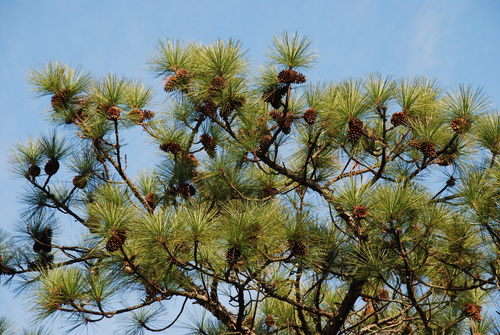
Virginia, US
Puedes ver Pines, Common Milkweed y Sweetbay Magnolia.
Ver guía →

North Carolina, US
Puedes ver American Turkey Oak, Longleaf Pine y Spiny Spikemoss.
Ver guía →

Mississippi, US
Puedes ver Golden Club, Southern Cricket Frog y Dwarf Sundew.
Ver guía →











.png&width=800)



