





Paracardiophorus
Paracardiophorus
Paracardiophorus es un insecto único al que le encanta esconderse entre las hojas. Tiene una forma especial que le ayuda a mezclarse con su entorno, ¡convirtiéndolo en un maestro del disfraz en la naturaleza!
Hábitat: Bosques
El Paracardiophorus es un escarabajo pequeño y alargado, típicamente de color marrón oscuro a negro con distintivas marcas rojo-anaranjadas en sus élitros. Su cuerpo es algo aplanado y posee antenas cortas y robustas, lo que lo hace parecer robusto en comparación con otros escarabajos pequeños.
Categoría
InsectosRareza
Common
Peligro
1/5 · Muy bajo
Snaps
¡Sé la primera persona en hacer un snap!
Las crías de Paracardiophorus se llaman "gusanos alambre" por sus cuerpos duros y delgados.
¡Algunos escarabajos clic pueden saltar más de 20 veces su propia altura!
El "clic" no es solo un sonido; ¡es un salto poderoso para escapar!
¡Usan una "espina torácica" especial para hacer clic, como un pequeño resorte que se libera!
Los Paracardiophorus adultos principalmente sorben néctar y polen de las flores, pero no comen mucho.
Diferencias por edad: Las larvas (gusanos alambre) se alimentan principalmente de raíces de plantas u otros invertebrados del suelo, mientras que los adultos consumen néctar y polen.
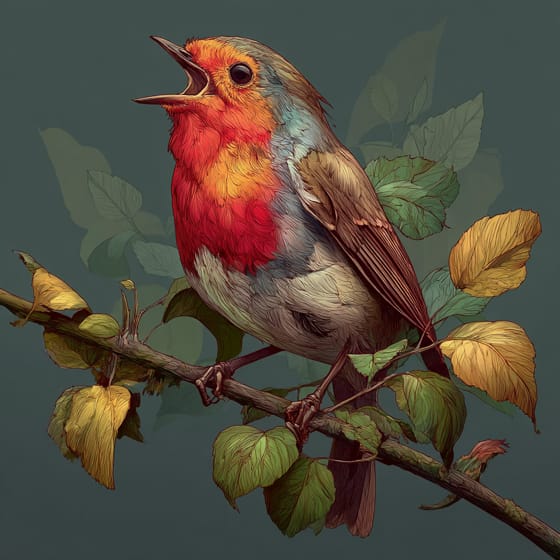
Turdus migratorius
Las aves como los petirrojos cazan escarabajos clic adultos.
Araneus diadematus
Las arañas capturan escarabajos clic en sus telarañas.
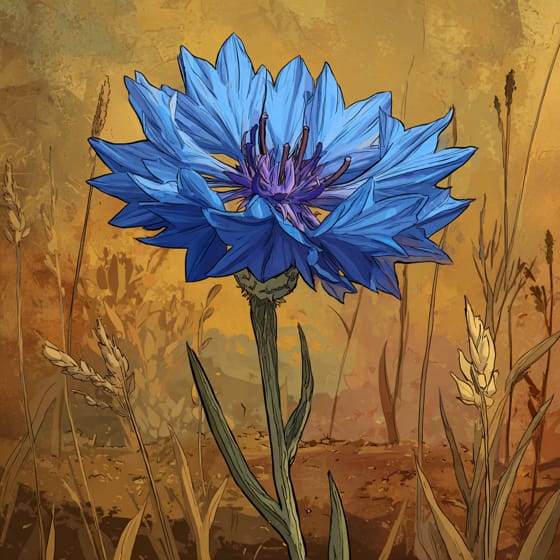
Zea mays
Sus larvas (gusanos alambre) pueden alimentarse de las raíces del maíz.
Los animales solitarios viven solos durante la mayor parte de su vida y solo interactúan con otros para aparearse o cuidar de sus crías.
El camuflaje describe a los organismos que poseen colores o patrones que les permiten mezclarse con su entorno.
Este rasgo caracteriza a los organismos cuya dieta consiste total o principalmente en material vegetal.
Describe plantas que son particularmente atractivas y beneficiosas para una amplia variedad de organismos polinizadores.

Los hábitats boscosos son entornos terrestres dominados por una densa cubierta arbórea, que sustentan una gran diversidad de vida animal y vegetal.

Los animales diurnos están activos principalmente durante el día y suelen descansar o dormir por la noche.

Relativo a especies que son significativamente más pequeñas que lo típico o promedio de su tipo.

Describe organismos que transfieren polen, permitiendo la fertilización y reproducción de las plantas.
Todavía no hay alias listados.
Peligro
1/5 · Muy bajo
Siempre mira pero no toques los insectos a menos que sepas que son seguros.
La forma más fácil de identificar a Paracardiophorus es usar la aplicación de identificación de naturaleza Snappit.
10-20 mm
5-10 mm
30-90 días
8 km/h
Los Paracardiophorus adultos principalmente sorben néctar y polen de las flores, pero no comen mucho.
Bosques
Búsqueda De Alimento
Acércate para separar los grupos y explorar dónde se ha fotografiado este objeto.
Los snaps recientes aparecerán aquí a medida que se añadan nuevas observaciones.
Llévate el descubrimiento
Haz una foto con Snappit, identifica la especie y guarda el hallazgo en tu colección.







.jpg&width=800)



