




Pentatominae
pentatominae
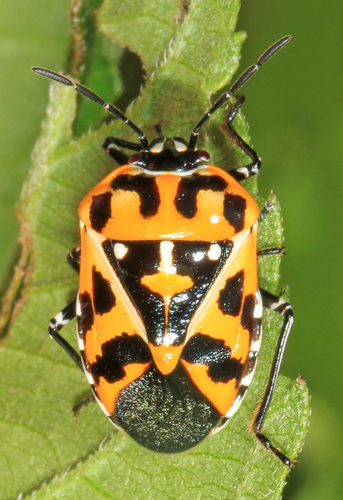
Pentatominae es la subfamilia más grande y diversa de chinches de escudo, comúnmente conocidas como chinches apestosas. Estos fascinantes insectos son reconocidos mundialmente por su distintiva forma de escudo y sus mecanismos de defensa química altamente efectivos. La mayoría de los miembros de esta subfamilia son fitófagos, utilizando sus piezas bucales especializadas en forma de pajita para perforar el tejido vegetal y beber savia rica en nutrientes. Si bien algunas especies son plagas agrícolas notorias que pueden causar daños significativos a los cultivos, otras desempeñan roles ecológicos clave como fuente de alimento para la vida silvestre local.
Hábitat: Se encuentran comúnmente en ambientes templados y tropicales de todo el mundo, particularmente en campos agrícolas, huertos domésticos, praderas y bordes de bosques donde las plantas hospedadoras son abundantes.
Las especies de Pentatominae se caracterizan por sus cuerpos anchos en forma de escudo, antenas de cinco segmentos y un escutelo triangular prominente ubicado en el centro de sus espaldas. Exhiben una increíble gama de colores, desde verdes camuflados y marrones opacos hasta patrones llamativos y vibrantes de naranja, rojo y negro que sirven como coloración de advertencia. Los adultos suelen medir de 1 a 3 centímetros de largo, con alas anteriores duras que se pliegan planas sobre sus cuerpos cuando están en reposo.
Categoría
InsectosRareza
Común
Peligro
1/5 · Muy bajo
Snaps
¡Sé la primera persona en hacer un snap!
El mal olor de una chinche apestosa proviene de compuestos llamados aldehídos, que son químicamente similares a los que se encuentran en el cilantro.
Ponen sus huevos en forma de barril en grupos geométricos muy organizados en el envés de las hojas de las plantas.
Para atraer parejas, muchas especies realizan una 'danza de agitación' que envía vibraciones específicas de la especie a través de los tallos de las plantas.
Posee glándulas torácicas especializadas que pueden rociar un líquido acre y de mal sabor que contiene aldehídos para disuadir a los depredadores cuando se siente amenazada.
Envía señales vibratorias de baja frecuencia a través de los tallos y hojas de las plantas hospedadoras para encontrar y cortejar a posibles parejas.
Presenta un exterior dorsal resistente en forma de escudo que proporciona una excelente protección física contra pequeños depredadores y lesiones mecánicas.
Se alimenta principalmente de los fluidos de las plantas perforando tallos, hojas, flores y frutos de las plantas hospedadoras con su probóscide en forma de aguja.

Glycine max
Se alimenta en gran medida de las hojas, vainas y semillas en desarrollo de esta planta, causando daños agrícolas significativos.

Passer domesticus
Depreda con frecuencia a adultos y ninfas de Pentatominae, a pesar de sus penetrantes aerosoles de defensa química.
Trissolcus japonicus
Esta pequeña avispa parasita los huevos de las chinches apestosas, poniendo sus propios huevos dentro de ellos para suprimir la población hospedadora.
Los animales sociales viven en grupos organizados, cooperando para obtener beneficios de supervivencia como la búsqueda de alimento, la defensa y la cría de descendencia.
El camuflaje describe a los organismos que poseen colores o patrones que les permiten mezclarse con su entorno.
Colorido describe a organismos u objetos que exhiben una amplia variedad de colores brillantes y distintivos.
Este rasgo caracteriza a los organismos cuya dieta consiste total o principalmente en material vegetal.
Los animales diurnos están activos principalmente durante el día y suelen descansar o dormir por la noche.
Todavía no hay alias listados.
Las colecciones para este objeto aparecerán aquí a medida que se añadan más temas.
Peligro
1/5 · Muy bajo
Todavía no hay notas especiales de seguridad.
Busca seis patas, antenas, tres secciones en el cuerpo y la forma de las alas. Los escarabajos tienen las alas delanteras endurecidas; las moscas solo tienen un par que funciona. Los insectos diminutos pueden necesitar un primer plano antes de que se vea su grupo. Identificador de insectos: sube una foto y compara los detalles visibles.
1+ cm
1+ cm
0.0001+ kg
1+ años
Se alimenta principalmente de los fluidos de las plantas perforando tallos, hojas, flores y frutos de las plantas hospedadoras con su probóscide en forma de aguja.
Se encuentran comúnmente en ambientes templados y tropicales de todo el mundo, particularmente en campos agrícolas, huertos domésticos, praderas y bordes de bosques donde las plantas hospedadoras son abundantes.
Forrajeo
Acércate para separar los grupos y explorar dónde se ha fotografiado este objeto.
Los snaps recientes aparecerán aquí a medida que se añadan nuevas observaciones.
Llévate el descubrimiento
Haz una foto con Snappit, identifica la especie y guarda el hallazgo en tu colección.