





Physignathus lesueurii
Physignathus lesueurii
¡El dragón de agua es un lagarto divertido y colorido al que le encanta nadar! A menudo se les puede ver tomando el sol en rocas o ramas cerca del agua. Tienen colas largas y pueden cambiar de color para camuflarse con su entorno.
Hábitat: Humedales
La Physignathus lesueurii es un lagarto grande y robusto, típicamente moteado de gris-marrón a marrón oscuro, con una cresta espinosa prominente que recorre su espalda y cuello. Su cola larga y musculosa a menudo tiene bandas oscuras, lo que la ayuda a distinguirse de la mayoría de las salamanquesas o lagartos más pequeños.
Categoría
ReptilesRareza
Common
Peligro
1/5 · Muy bajo
Snaps
¡Sé la primera persona en hacer un snap!
¡Las crías de dragones de agua a menudo nacen durante la temporada de tormentas de verano!
¡Los machos a menudo hacen 'flexiones' para exhibirse e impresionar a las hembras!
¡A veces, estos asombrosos lagartos comparten lugares para tomar el sol con tortugas de agua dulce!
¡Pueden cambiar ligeramente el color de su piel para calentarse o enfriarse!
La Physignathus lesueurii puede permanecer sumergida hasta una hora, usando su potente cola para propulsarse y evadir a los depredadores.
La Physignathus lesueurii puede correr sobre sus patas traseras para escapar del peligro porque sus fuertes extremidades traseras la propulsan rápidamente.
La Physignathus lesueurii tiene una cola larga y fuerte que puede usar como látigo para disuadir a los depredadores cuando se siente amenazada.
Estos omnívoros disfrutan de un menú variado de insectos, pequeños animales, frutas e incluso flores.
Varanus varius
Grandes monitores depredan a las crías de dragones de agua.
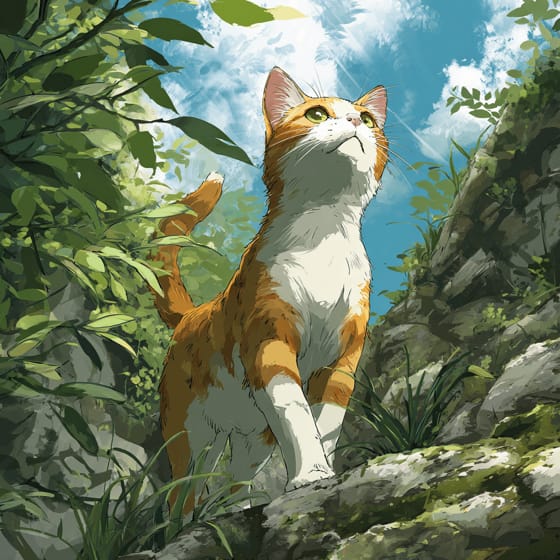
Felis catus
Los gatos salvajes y domésticos son depredadores de estos lagartos.
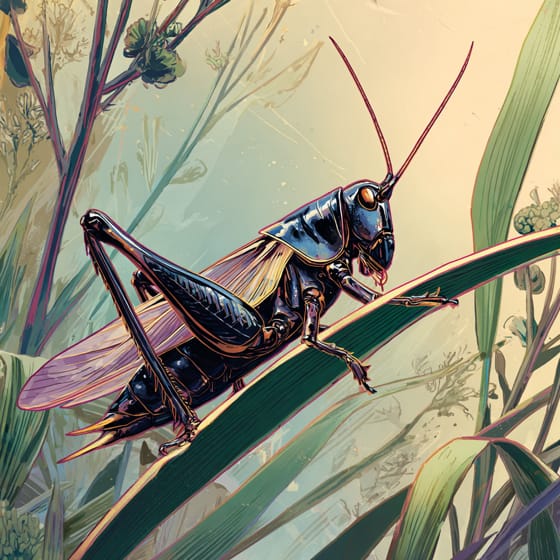
Orthoptera gryllus
Cazan y consumen activamente varios insectos.
Acacia longifolia
Se alimenta de las flores y frutos de plantas nativas.
Los animales solitarios viven solos durante la mayor parte de su vida y solo interactúan con otros para aparearse o cuidar de sus crías.
Los animales arborícolas viven principalmente en los árboles, utilizándolos como refugio, alimento y protección contra los depredadores.
El camuflaje describe a los organismos que poseen colores o patrones que les permiten mezclarse con su entorno.
Colorido describe a organismos u objetos que exhiben una amplia variedad de colores brillantes y distintivos.

Este rasgo identifica a los organismos cuya dieta consiste principalmente en insectos y otros pequeños invertebrados.

Este rasgo de hábitat identifica especies que se encuentran en humedales, que son áreas de tierra saturadas de agua, ya sea permanente o estacionalmente, e incluyen marismas, pantanos y ciénagas.

Los animales diurnos están activos principalmente durante el día y suelen descansar o dormir por la noche.

Este rasgo identifica a los organismos que exhiben una rapidez excepcional en sus movimientos para cazar, escapar o desplazarse.
Peligro
1/5 · Muy bajo
Observa siempre desde la distancia y no intentes tocar a los lagartos salvajes.
La forma más fácil de identificar a Physignathus lesueurii es usar la aplicación de identificación de naturaleza Snappit.
60-100 cm
0.3-1 kg
8-15 años
20 km/h
Estos omnívoros disfrutan de un menú variado de insectos, pequeños animales, frutas e incluso flores.
8 km/h
Humedales
Acércate para separar los grupos y explorar dónde se ha fotografiado este objeto.
Los snaps recientes aparecerán aquí a medida que se añadan nuevas observaciones.
Llévate el descubrimiento
Haz una foto con Snappit, identifica la especie y guarda el hallazgo en tu colección.












