pickerelweed
Pontederia cordata
Pickerelweed is a lovely plant that grows in wet areas like ponds and marshes. It has big green leaves and pretty purple flowers that bloom in the summer, making it a favorite for butterflies and bees.
Hábitat: Wetlands
The pickerelweed has glossy, heart-shaped green leaves that stand tall above the water. Its most striking feature is a dense, upright spike of vibrant blue-purple flowers, each with a small, bright yellow spot, creating a showy display in wetlands.
Categoría
PlantasRareza
Common
Peligro
1/5 · Muy bajo
Snaps
¡Sé la primera persona en hacer un snap!
Its heart-shaped leaves can be 25 cm long, making them easy to spot in water!
Pickerelweed can grow rooted in mud even when water is over 1 meter deep!
Pickerelweed seeds are often eaten by ducks and other wetland birds as a snack!
The bright yellow spot on each tiny flower helps guide bees straight to nectar!
Pickerelweed can absorb excess nutrients from water, helping to keep its aquatic home clean and healthy.
This plant has strong roots that anchor it firmly in muddy lake or pond bottoms, even in moving water.
Its dense stands provide excellent shelter and hiding spots for small fish, frogs, and other aquatic creatures.
Apis mellifera
attracted to its vibrant blue flowers
Ondatra zibethicus
rootstocks and foliage are a food source
Anas platyrhynchos
seeds provide food for waterfowl
Micropterus salmoides
young fish hide among its stems
Las plantas con flores son cualquier planta que produce flores como parte de su ciclo reproductivo.
Las plantas de floración de verano producen sus flores durante la temporada estival, a menudo aportando un color vibrante cuando muchas otras plantas ya han terminado de florecer.
Las flores fragantes emiten un aroma agradable, a menudo para atraer polinizadores o como defensa.
Los árboles de hoja ancha son angiospermas caracterizadas por hojas planas y anchas que típicamente se caen anualmente en climas templados.

Colorido describe a organismos u objetos que exhiben una amplia variedad de colores brillantes y distintivos.

Describe plantas que son particularmente atractivas y beneficiosas para una amplia variedad de organismos polinizadores.

Este rasgo de hábitat identifica especies que se encuentran en humedales, que son áreas de tierra saturadas de agua, ya sea permanente o estacionalmente, e incluyen marismas, pantanos y ciénagas.

Los hábitats de agua dulce incluyen entornos acuáticos no salinos como ríos, lagos, estanques y humedales, vitales para numerosas especies.

Describe una especie cuya presencia y papel tienen un efecto desproporcionadamente grande en su entorno.

Los hábitats acuáticos abarcan entornos donde los organismos viven principalmente en el agua, incluidos océanos, ríos, lagos y humedales.
Todavía no hay alias listados.
Peligro
1/5 · Muy bajo
Always stay close to an adult when exploring wet areas, as they can be slippery.
30-120 cm
30-60 cm
1-2 cm
Verano, Otoño
Sí
Ninguna
Perenne
Insectos
Acércate para separar los grupos y explorar dónde se ha fotografiado este objeto.
Los snaps recientes aparecerán aquí a medida que se añadan nuevas observaciones.
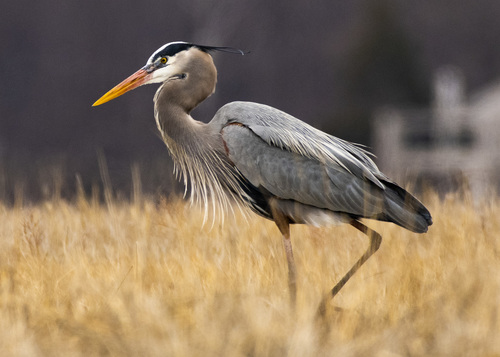
Virginia, US
Puedes ver Garza Azulada, Barnacla Canadiense y Tordo Sargento.
Ver guía →
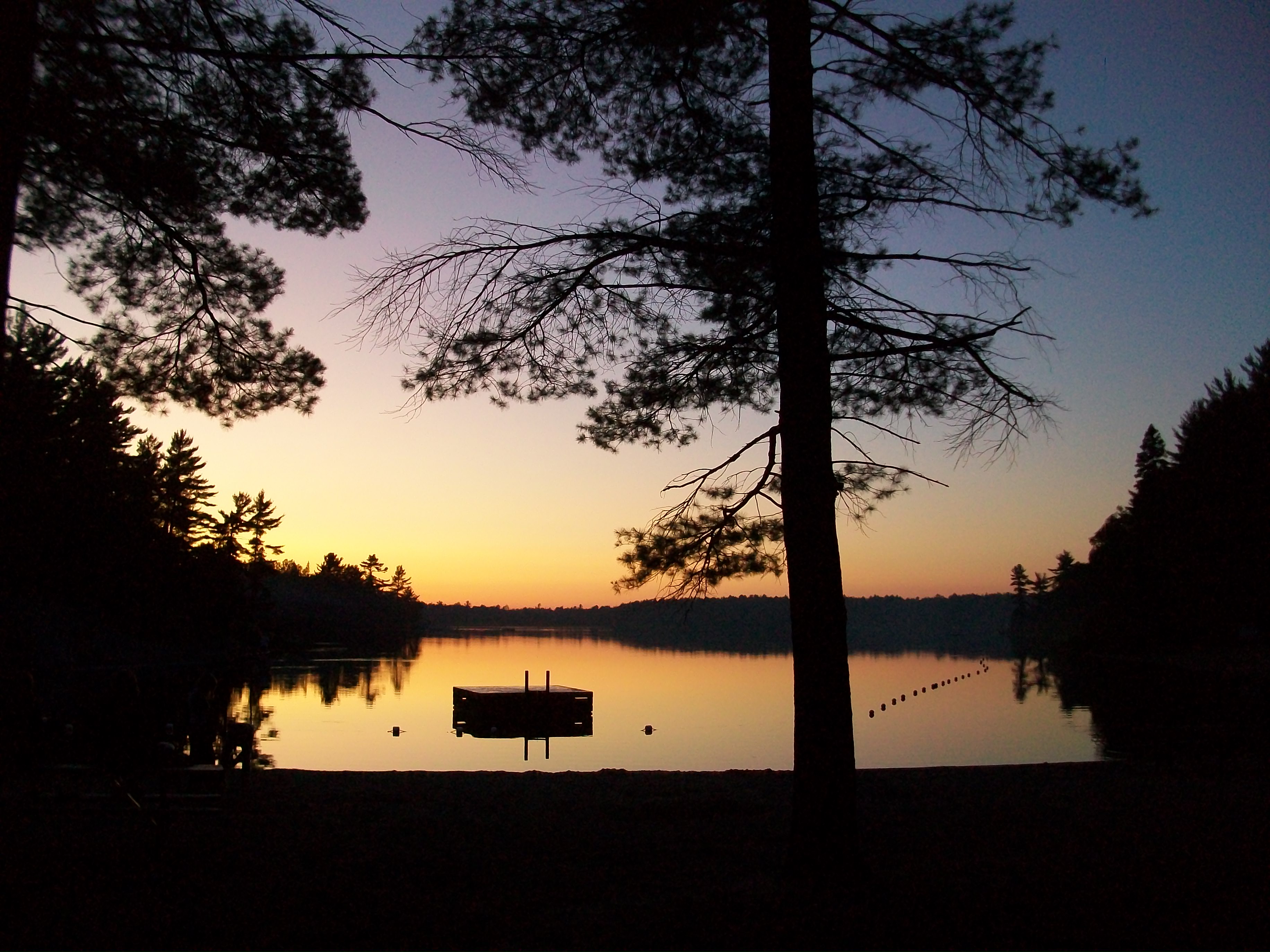
Ontario, CA
Puedes ver Tortuga Pintada, Common Watersnake y Bristly Sarsaparilla.
Ver guía →
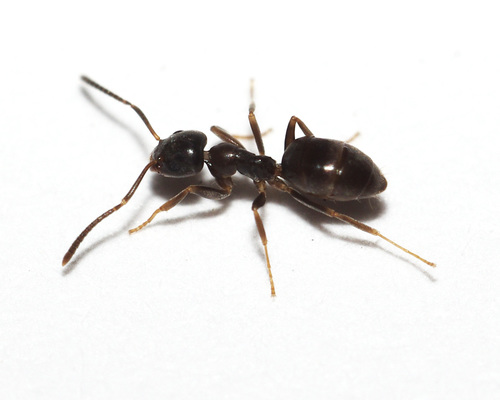
Virginia, US
Puedes ver Hormiga Casera Olorosa y Willow Leaf Beetle.
Ver guía →
Virginia, US
Puedes ver Mayapple, Cardenal Norteño y Multiflora Rose.
Ver guía →

District of Columbia, US
Puedes ver Libélula Azul, Fragile Forktail y Slaty Skimmer.
Ver guía →
Virginia, US
Puedes ver Eastern Blacknose Dace y Common Jewelweed.
Ver guía →







.JPG&width=800)