






Pin-Tailed Pondhawk
erythemis plebeja
The Pin-Tailed Pondhawk is a vibrant dragonfly known for its beautiful blue and green colors. It loves to flutter around ponds and lakes, making it a fun sight for kids to watch!
Hábitat: Freshwater ponds, lakes, and marshes
The Pin-Tailed Pondhawk is a small, dark dragonfly, often appearing black with a pruinose blue thorax in mature males. Its slender, tapering abdomen gives it a distinctive 'pin-tail' appearance, and females typically display yellow spots along their dark body.
Categoría
InsectosRareza
Common
Peligro
0/5 · Sin peligro conocido
Snaps
¡Sé la primera persona en hacer un snap!
Dragonflies have been flying for over 300 million years, even before the dinosaurs!
Pin-Tailed Pondhawk nymphs can live underwater for years before becoming flying adults!
Pin-Tailed Pondhawks eat mosquitoes, helping to keep those pesky biters in check!
They catch prey with their legs in a 'basket' while flying!
Pin-Tailed Pondhawk can fly in any direction, even backwards, because of its two pairs of independently moving wings.
Pin-Tailed Pondhawk nymphs breathe underwater using gills, allowing them to live and hunt submerged.
Pin-Tailed Pondhawk larvae have an extendable jaw, a labium, that helps them snatch unsuspecting prey.
They are aerial predators, catching small flying insects.
Diferencias por edad: Nymphs hunt aquatic insects and tadpoles; adults hunt flying insects.
Aedes aegypti
Adults prey on them in flight.
.jpg&width=800)
Tyrannus tyrannus
Birds snatch them from the air or perches.
Lepomis macrochirus
Fish prey on pondhawk nymphs underwater.
Lithobates catesbeianus
Nymphs ambush tadpoles in the water.
Los animales sociales viven en grupos organizados, cooperando para obtener beneficios de supervivencia como la búsqueda de alimento, la defensa y la cría de descendencia.
Colorido describe a organismos u objetos que exhiben una amplia variedad de colores brillantes y distintivos.
Este rasgo identifica a los organismos cuya dieta consiste total o principalmente en tejido animal.
Los animales diurnos están activos principalmente durante el día y suelen descansar o dormir por la noche.

Los hábitats acuáticos abarcan entornos donde los organismos viven principalmente en el agua, incluidos océanos, ríos, lagos y humedales.
Peligro
0/5 · Sin peligro conocido
Todavía no hay notas especiales de seguridad.
50-75 mm
35-45 mm
30-60 días
25 km/h
They are aerial predators, catching small flying insects.
Freshwater ponds, lakes, and marshes
Pursuit
6
Acércate para separar los grupos y explorar dónde se ha fotografiado este objeto.
Los snaps recientes aparecerán aquí a medida que se añadan nuevas observaciones.




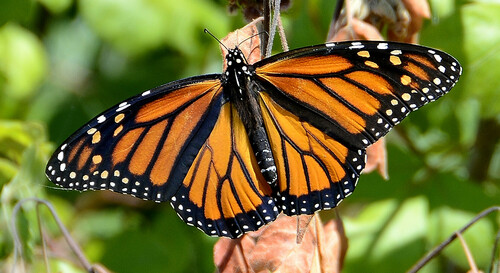



.jpg&width=800)







