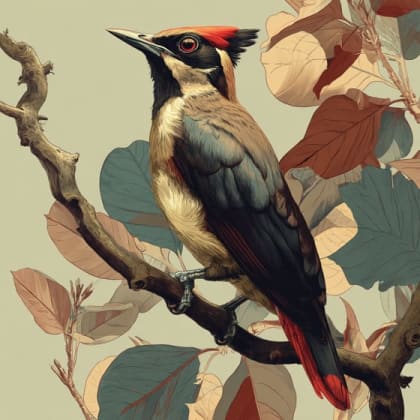
Red-backed Shrike
Lanius collurio
The Red-backed Shrike is a small bird with a striking red back and a black mask. It loves to sit on fences and watch for insects to eat. This bird is known for its unique hunting style!
Hábitat: Grasslands
The Red-backed Shrike male has a distinctive reddish-brown back, a grey head with a black 'bandit mask' across its eyes, and a pale pinkish belly. Females are duller brown with wavy patterns on their flanks, lacking the strong mask.
Categoría
AvesRareza
Common
Peligro
1/5 · Muy bajo
Snaps
¡Sé la primera persona en hacer un snap!
Males show off their hunting skills by offering prey to females during courtship!
Red-backed Shrike babies are born naked and blind, needing constant care!
Their hooked beak helps them tear up tough prey, like a tiny raptor's beak!
These birds build cup-shaped nests, often deep within thorny, protective bushes!
Red-backed Shrikes can impale prey on thorns because they lack strong talons, helping them tear food into pieces or store it.
Red-backed Shrikes have a diverse song that includes imitations of other birds, which helps them attract mates.
Red-backed Shrikes can spot prey from a perch and dive swiftly because they have sharp eyesight, helping them catch insects.
Red-backed Shrikes have an incredible sense of direction because they travel thousands of kilometers, helping them migrate yearly.
They are tiny hunters that eat mostly big insects and sometimes small animals!
Locusta migratoria
A primary food source of large insects.
Microtus arvalis
Hunts small rodents when available.

Accipiter nisus
A swift raptor that preys on shrikes.

Prunus spinosa
Thorny bushes offer safe nesting and food storage.
Describe a los animales, principalmente aves, que poseen una cubierta de plumas.
Los animales solitarios viven solos durante la mayor parte de su vida y solo interactúan con otros para aparearse o cuidar de sus crías.
Los animales cantores producen vocalizaciones complejas, a menudo con el propósito de atraer parejas, defender el territorio o comunicarse dentro de su especie.
Colorido describe a organismos u objetos que exhiben una amplia variedad de colores brillantes y distintivos.

Este rasgo identifica a los organismos cuya dieta consiste principalmente en insectos y otros pequeños invertebrados.

Los hábitats de pastizales son biomas terrestres dominados por pastos y plantas herbáceas, que sustentan a una variedad de animales de pastoreo.

Un depredador de emboscada caza esperando pacientemente y ocultándose, para luego lanzar un ataque repentino cuando una presa desprevenida se pone a su alcance.

Los animales diurnos están activos principalmente durante el día y suelen descansar o dormir por la noche.
Todavía no hay alias listados.
Peligro
1/5 · Muy bajo
Enjoy watching birds from a distance and be quiet so you don't scare them away.
16-18 cm
24-27 cm
0.025-0.035 kg
5-8 años
40 km/h
They are tiny hunters that eat mostly big insects and sometimes small animals!
Grasslands
Ambush
Acércate para separar los grupos y explorar dónde se ha fotografiado este objeto.
Los snaps recientes aparecerán aquí a medida que se añadan nuevas observaciones.